Direct2Attorney is a legal marketing & referral service, not a law firm and not a substitute for legal advice.
Eligibility
You may qualify for a chlorpyrifos lawsuit if any of these describe your family. These are the guidelines participating law firms use when they review a claim. For official background, see the U.S. EPA’s chlorpyrifos page.
Field work, mixing or loading pesticides, applying them, or working in packing houses and processing near treated crops.
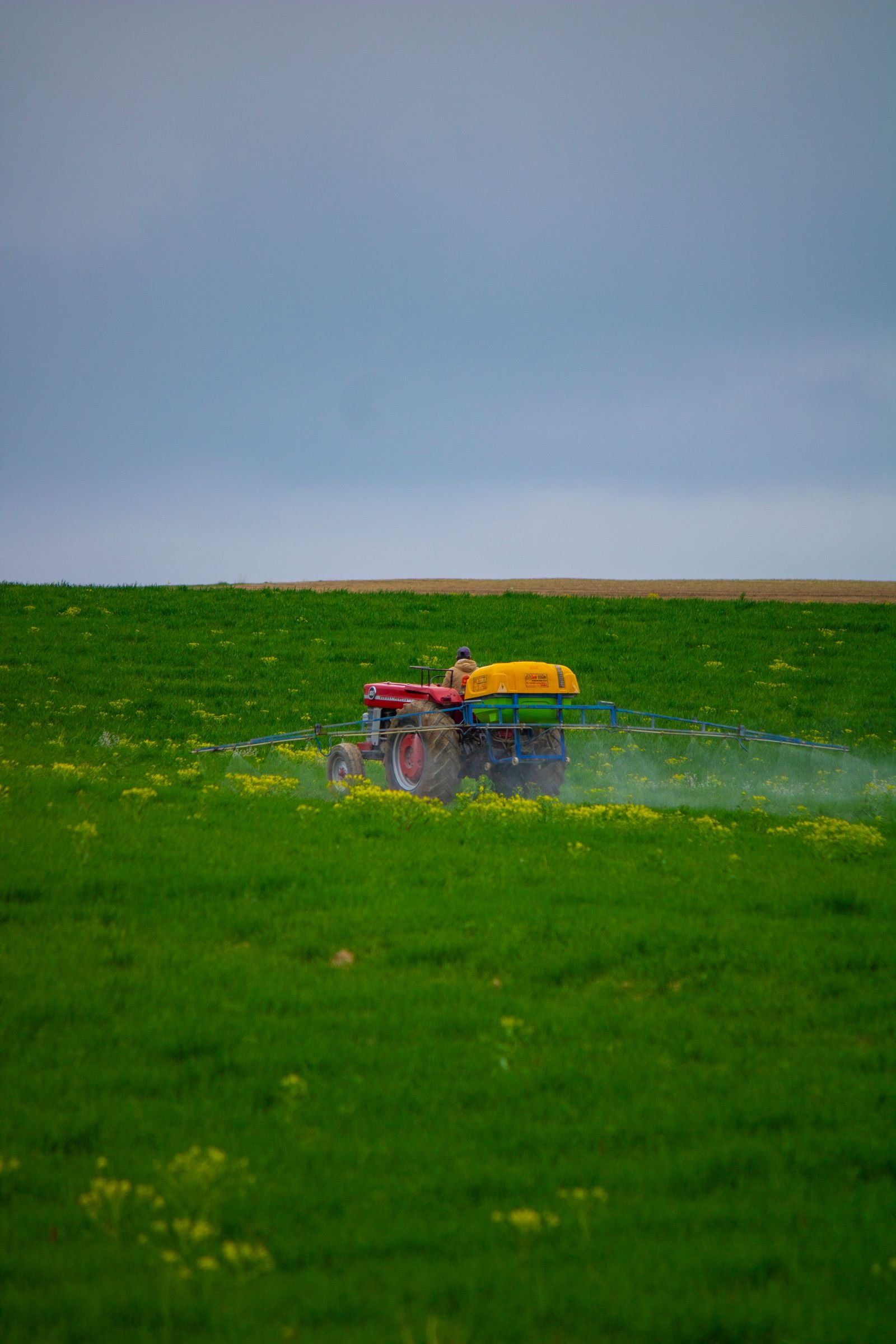
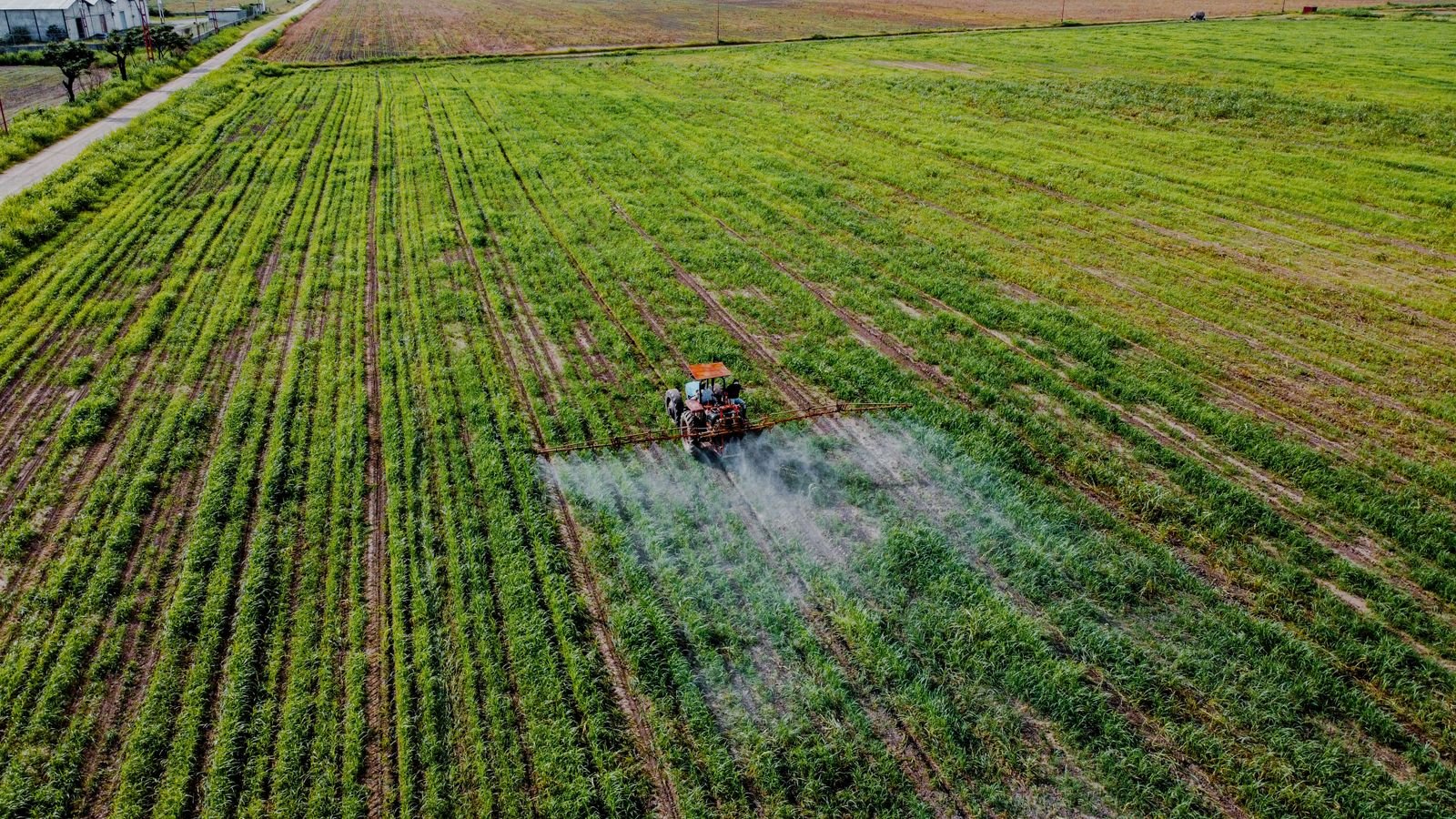
Homes, schools and daycares near treated orchards and row crops. Spray drift travels, and studies have focused on families within about a mile.
The claims center on the developing brain. Exposure while the mother was pregnant is the most important part of the timeline.
Autism, ADHD, intellectual disability, developmental or speech delay, or reduced cognitive function documented by a doctor or school evaluation.
Some claims involve well or municipal water in farming communities, and name the water provider alongside the manufacturer.
Farmworkers with acute organophosphate poisoning, such as vomiting, tremors, muscle weakness or blurred vision, may have separate claims.
Worried the deadline has already passed for your child?
Often it has not. In most states, the clock on a child’s injury claim does not start running until they turn 18, which can leave far more time than parents expect. It is worth checking rather than assuming.
Meeting these guidelines does not mean you have a valid claim. It means a participating law firm is likely to review it. That firm decides on its own whether to take your case. Some claims are turned down, and some recover nothing. Direct2Attorney cannot judge the legal merits of your case, give legal advice, or file anything for you.
Common worries
Many families who could ask never do. These are the worries we hear most, and what is actually true.
What holds people back
It feels like you cannot have a claim.
What is true
Chlorpyrifos is a restricted-use pesticide, so ordinary people could not buy it. Nearly everyone exposed was exposed by someone else’s work, by spray drift, or through water.
What holds people back
This gets reported constantly.
What is true
The 2021 rule was vacated in court in 2023. Chlorpyrifos is still legal for some crops in certain states.
What holds people back
Parents assume the window closed.
What is true
In most states, the clock on a child’s injury claim does not start until they turn 18. Confirm it, do not assume it.
What holds people back
No spray data, no old addresses.
What is true
Tell us what you remember. The firm maps addresses against state pesticide records and gathers the rest.
Educational
Chlorpyrifos is an insecticide developed by Dow and first used in 1965. It belongs to a family of chemicals called organophosphates, which kill insects by attacking the nervous system. Farmers bought it under the brand name Lorsban. For more than fifty years it went on orchards, row crops, nut trees and vegetables.
The concern is what it does to a brain that is still being built. A child’s nervous system forms before birth and in the first years of life. It is far more sensitive than an adult’s. Research on organophosphate exposure during pregnancy has reported associations with lower IQ, weaker working memory, attention problems and developmental delay.
A widely cited 2014 study in Environmental Health Perspectives looked at mothers living within about a mile of sprayed fields. Those pregnancies showed a higher reported risk of autism spectrum disorder. The link was strongest for exposure in the second and third trimesters.
Each chlorpyrifos lawsuit alleges Dow and Corteva knew the chemical was dangerous to developing nervous systems. They allege the companies knew small repeated doses could cause harm. And they allege the product kept selling without an adequate warning.

Was chlorpyrifos banned? Not exactly.
Around 2001
Home and garden products were phased out.
August 2021
The EPA revoked all food tolerances, which effectively stopped food-crop use.
November 2023
The Eighth Circuit vacated that rule, and the tolerances came back into effect.
Today
Still legal for some food crops in certain states, and still a restricted-use pesticide. A further EPA decision is expected in 2026.
Chlorpyrifos is a restricted-use pesticide. Ordinary people could never buy it. Almost everyone exposed was exposed because of somebody else’s work.
You did not have to touch it or work near it. In heavy agricultural areas, exposure came with living there.
| Party | Role in the claims |
|---|---|
| Dow | Developed chlorpyrifos and sold it as Lorsban |
| Corteva | Later maker of Lorsban; ended production in 2020 |
| Water providers | Named in some claims over contaminated well or municipal water |
| Application companies | Named in some claims over how and where spraying was done |
Company names are used only to identify the parties named in these lawsuits. Allegations have not been proven in court. Direct2Attorney is not affiliated with, endorsed by, or sponsored by Dow, Corteva, the EPA, or any court.
The science, in plain words
These are the steps each chlorpyrifos lawsuit describes. Being honest matters here: research reports links, not proof about any one child.
Spray drift is breathed in, residue is carried home, or tainted water is used for drinking and cooking.
During pregnancy, chemicals in the mother’s body can reach the developing baby.
Organophosphates work by attacking the nervous system of insects. The lawsuits say small, repeated doses can also disrupt a growing human brain.
Delays in speech, learning or attention may only become clear years later, at school age.
If you have these symptoms after working with pesticides
Get medical care right away and tell the provider what you were exposed to.
Support and care
There is help available whatever happens legally. Early support can make a real difference for a child, and every step also creates records that show what care costs.
Nothing here is a statement about your child or a diagnosis. Speak with your pediatrician about your concerns.
First step
Ask your pediatrician for a developmental evaluation if you have concerns about speech, learning or behavior.
Free in every state
Early intervention services are available in every state, free of charge, regardless of any lawsuit.
Therapy
Help with talking, fine motor skills and daily tasks.
Therapy
Support for attention, behavior and social skills.
School
Public schools offer evaluations and learning support for children with disabilities.
Adults
Farmworkers with poisoning symptoms need urgent care. Tell the provider what you were exposed to.
Quick self-check
If you can say yes to most of these, it is worth asking for a free review.
Did a parent work in the fields, or with pesticides, around the time of the pregnancy?
Did your family live, work or go to school near sprayed fields or orchards?
Does your child have a diagnosis such as autism, ADHD, intellectual disability or developmental delay?
Is that diagnosis written down by a doctor or a school evaluation?
Requirements
You do not need any of this to start. A firm builds it for you. But every claim rests on these four things.
Heavy exposure
Work history, addresses, spray or water records.
A clear diagnosis
Medical or school evaluation records.
The right timing
Exposure in pregnancy or early childhood.
Filed in time
Child deadlines often start at 18.
Case status
There is no federal MDL for chlorpyrifos. Cases have been filed in state courts, concentrated in California’s Central Valley: Kings, Fresno, Madera and Tulare counties. They name Dow, Corteva and in some cases water providers and application companies.
Being honest about what these cases have to prove
These are harder cases than a cancer claim from a single product. Neurodevelopmental conditions have many causes, genetics chief among them, and no test can show what caused any individual child’s condition.
What a strong claim looks like is documented, heavy, repeated exposure, such as work history, addresses beside treated fields, spray records and water testing, paired with a clear medical diagnosis. That is exactly what a review is for.
Chlorpyrifos goes into use
Developed by Dow and sold to farmers as Lorsban.
Home and garden uses end
Consumer products were phased out around this time.
Corteva stops making it
Corteva announced in February 2020 that it would end chlorpyrifos production that year.
EPA revokes food tolerances
This effectively stopped use on food crops for a time.
Court vacates the EPA rule
The Eighth Circuit found the full revocation arbitrary. The tolerances came back into effect, and EPA formally reinstated them in February 2024.
EPA proposes a narrower limit
EPA proposed revoking tolerances except on 11 crops. As of the latest reports reviewed, that rule was not final.
State court cases continue
Corteva has confirmed in its quarterly filings that it faces personal injury claims over Lorsban and has set aside money for certain claims. That is not a settlement, and no settlement exists.
This page is general information, not medical advice. If you have concerns about your child’s development, speak with your pediatrician and ask about a developmental evaluation. If you work with pesticides and have nausea, headaches, muscle twitching or blurred vision, get medical care right away.
Compensation
If a chlorpyrifos lawsuit succeeds, compensation is meant to cover what a lifetime of extra care and lost opportunity actually costs a family. Here is what these claims typically seek.
No one can tell you what your claim is worth before reviewing your records, and no one can promise you will recover anything at all. Past results do not guarantee or predict a similar outcome in any future case.
The process
You do not need records, addresses or dates ready to start a chlorpyrifos lawsuit review. Tell us what you remember and the firm does the rest.
Fill out the short form or call. Where you lived, what work your family did, and your child’s diagnosis. There is no cost and no obligation.
If your situation fits, we connect you with a participating law firm. That firm looks at your case on its own and decides whether to represent you.
Medical and school records, employment history, addresses mapped against state pesticide application data, and water testing where it exists. This is the part that decides a case.
Your case is filed in the appropriate court. Most claims resolve by settlement rather than trial, and settlements for a child normally need a judge’s approval. You are never required to accept an offer you do not want.
READY WHEN YOU ARE
Step 1 takes about two minutes.
Deadlines
Deadlines for a chlorpyrifos lawsuit depend on your state and on who was harmed.
In most states, the clock on a child’s injury claim does not start until they turn 18.
Adult poisoning claims follow your state’s injury deadline, which is often a few years.
Some states start the clock when you learned the exposure may have caused the harm.
That can mean more time than you expect, but confirm it, do not assume it.
Why people use us
No upfront fees
The review is free. Participating firms work on contingency, so a fee is owed only out of a recovery. No recovery, no attorney fee.
Toxic exposure firms
We connect you with firms that handle chlorpyrifos lawsuit claims and other toxic exposure cases, work that depends on building an exposure record, not just a diagnosis.
No paperwork to start
You do not need records, spray data or old addresses in hand. Tell us what you remember and the firm gathers the rest.
Private and secure
Your information is encrypted and handled according to our Privacy Policy. You are never obligated to move forward.
What Direct2Attorney is
A legal marketing and referral service. We check whether your situation matches what participating law firms are looking for, and connect you with one of them if it does.
What Direct2Attorney is not
We are not a law firm. We cannot give you legal advice, represent you, or file anything on your behalf. Only a law firm you sign with can do that.
Firms are reviewing chlorpyrifos claims
Did your family work the fields, or live beside them? Does your child have a developmental or neurological diagnosis? It costs nothing to find out whether a firm will look at your chlorpyrifos lawsuit claim. In most states, a child’s deadline does not start until they turn 18. That can mean more time than you expect, but confirm it, do not assume it.
What happens after you ask
We check your answers
Usually the same business day
A participating firm may call you
At the time you choose
You decide what comes next
No cost and no obligation, ever
Questions
Still have a question? Ask it on the call. The review is free, and there is no obligation.
Start my free review →Participating law firms are generally reviewing claims from families with heavy exposure to chlorpyrifos who have a child diagnosed with autism, ADHD, intellectual disability, developmental delay or another neurological condition. That usually means a parent who worked in the fields or handled the pesticide, a mother who lived or worked near sprayed fields while pregnant, or a household in a farming community affected by spray drift or contaminated water. Adults with acute poisoning injuries may also qualify.
Not entirely, and this is widely misreported. Home and garden uses ended around 2001. EPA revoked all food tolerances in August 2021, but in November 2023 the Eighth Circuit vacated that rule and the tolerances were reinstated in December 2023. Today chlorpyrifos remains registered for 11 food and feed crops in certain states and is a restricted-use pesticide that only certified applicators may use. EPA is expected to issue a further decision in 2026.
Update: after the court ruling, EPA formally reinstated the tolerances in February 2024. In December 2024 it proposed a rule to revoke tolerances except on 11 crops. As of the latest reports we reviewed, that proposal had not been made final.
The claims involve neurodevelopmental harm in children, including autism spectrum disorder, ADHD, intellectual disability, developmental delay and reduced cognitive function, alleged to result from exposure in the womb or in early childhood. Some claims also involve acute poisoning of adult farmworkers, and some involve property contamination.
No, and it is important to be honest about that. Most autism is not caused by pesticide exposure. Genetics play a large role, and no medical test can prove what caused any individual child’s condition. What these lawsuits argue is that heavy exposure during pregnancy or early childhood increased the risk. Whether that argument fits your family depends on how much exposure there actually was, which is what a review looks at.
Yes. Chlorpyrifos is a restricted-use pesticide, so ordinary consumers could not buy it. Nearly everyone exposed was exposed by someone else’s application. Living near treated fields, breathing spray drift, drinking contaminated water, or having a parent bring residue home on clothing and boots are all exposure routes described in these lawsuits.
Nothing to ask. The case review is free with no obligation. If a participating law firm takes your case, it will normally work on contingency. That means the fee comes out of a recovery, and no fee is owed if there is no recovery.
No. Direct2Attorney is a legal marketing and referral service, not a law firm. An attorney-client relationship may form only after a participating law firm reviews your information and signs a separate representation agreement with you.
No. There is no federal MDL for chlorpyrifos. Cases have been filed in state courts, concentrated in California’s Central Valley. Each claim stands on its own exposure history and diagnosis.
Normally, yes. Settlements for a child usually need a judge’s approval, which is meant to protect the child’s interests. Your firm will explain how this works in your state.




Learn more
More lawsuit research and settlement guides from our partner TortAdvisor ↗