In this article (14 sections)
- Why chlorpyrifos exposure evidence matters most
- Work records for applicators and farmworkers
- State pesticide use records
- Records for families who lived near fields
- Medical records that complete the picture
- How to request records
- Common gaps and how to handle them
- Why Lab Tests Rarely Provide Chlorpyrifos Exposure Evidence Years Later
- Workplace Safety Records as Chlorpyrifos Exposure Evidence
- Witness Statements and Personal Records
- Chlorpyrifos Exposure Evidence for Pest Control Workers and Families
- How Chlorpyrifos Exposure Evidence Is Organized for a Review
- Frequently asked questions
- How Direct2Attorney can help
Last updated: October 2026
To prove chlorpyrifos exposure, you usually need records that show where you were, what was sprayed, and when. Work papers, pesticide licenses, spray logs and state pesticide use data can build the link between you and the chemical. Medical records then connect that exposure to a diagnosis. Because lab tests rarely show past exposure, the sections below explain which chlorpyrifos exposure evidence tends to matter most and how to organize it.
This guide walks through the records that build a chlorpyrifos claim and where to find them.
Why chlorpyrifos exposure evidence matters most
In most toxic exposure cases, the key questions are simple. Were you exposed? How much, and for how long? Could it have contributed to your illness?
Chlorpyrifos was used for decades on farms and in pest control. It has been linked in research to harm to children’s developing brains. A 2026 UCLA study also linked long-term exposure to a higher risk of Parkinson’s disease.
But the defense will ask for proof. Strong records make it easier for a law firm to review whether you may qualify.
Work records for applicators and farmworkers
If you worked with chlorpyrifos, your job history is the backbone of the claim. Useful papers include:
- Pesticide applicator licenses or certifications, with dates
- Employer spray logs or application records
- Pay stubs, W-2s or tax records showing where and when you worked
- Job descriptions or training records on handling pesticides
- Union or farm labor contractor records
- Safety data sheets or product labels kept at work
Brand names help too. Chlorpyrifos was sold as Lorsban, Dursban and many generic products. Write down any names you remember.
If you don’t have papers
Many farmworkers were paid in cash or moved often. That does not end a claim. Coworkers, supervisors or family members may be able to give written statements. Old photos of you at work, or of equipment and labels, can help.

State pesticide use records
Some states keep public records of pesticide use. California’s is one of the most detailed.
The California Department of Pesticide Regulation says its Pesticide Use Reporting program has tracked nearly all farm pesticide use since 1990. It also covers many non-farm uses, such as structural pest control. Data can be searched through the state’s CalPIP portal. Older data files reach back to 1970.
These records can show chlorpyrifos use near a home, school or job site. The UCLA researchers used this same kind of data, plus past addresses, to estimate exposure.
Records for families who lived near fields
Not everyone exposed was a worker. Families near orchards and fields may have been exposed through drift. For them, key records include:
- Proof of address: leases, utility bills, school records or voter records
- Maps or photos showing how close your home or school was to fields
- Drift complaints made to county agricultural offices
- Notes or calendars marking spray days or strong smells
In 2021, parents in Fresno, Kings, Madera and Tulare counties sued Dow, Corteva and farm companies. News reports said those suits claim chlorpyrifos harmed children’s brains. Proof of where a family lived, and when, is central in claims like these.
Medical records that complete the picture
Exposure records show contact with the chemical. Medical records show the harm. A participating firm will usually want:
- Diagnosis records from a doctor or clinic
- Records of symptoms and when they started
- Test results, such as brain imaging or developmental evaluations
- Prescription records
- For children: prenatal care records, birth records and school evaluations
Timing matters. Records should show when symptoms began compared with when exposure happened.
Extra records for Parkinson’s claims
Parkinson’s often develops slowly. Early signs, like a hand tremor, stiffness, a softer voice or a change in handwriting, may show up in old doctor notes before a formal diagnosis. Ask for records from your primary care doctor going back several years, not just from your neurologist. Notes about loss of smell, sleep problems or constipation can also matter, because doctors sometimes see these early.
Keep a simple timeline
Write a one-page timeline. List each job or address, the years, the crops or sites, and any pesticides you remember. Add the date of diagnosis. This helps any lawyer review your situation quickly.
How to request records
Getting records can take weeks or months, so it helps to start early. Some simple steps:
- Former employers: Ask in writing for your personnel file, training records and any spray or application logs they kept.
- State licensing agency: If you held an applicator license, the state agriculture or pesticide agency may confirm your license dates.
- County agricultural commissioner: In California, county offices handle local pesticide permits and complaints. Ask about records for the fields or sites where you worked or lived.
- Social Security earnings record: This can list every employer you had and the years you worked there.
- Doctors and hospitals: You have a right to copies of your own medical records. Ask each provider for the full file, not just a summary.
Keep copies of every request and response. Store them in one folder or envelope.
Records that show what was sprayed
The product matters as much as the place. Chlorpyrifos was sprayed on many crops, including orchards, citrus, cotton, corn and alfalfa. Today EPA allows food uses on 11 crops, such as apples, peaches, cherries, citrus and strawberries. Evidence tying you to those crops during the years chlorpyrifos was widely used can be useful.
What not to do while gathering evidence
A few habits can weaken a claim without you realizing it:
- Don’t guess on dates. If you are unsure, say so. Records can fill in the details later.
- Don’t post about your case online. Social media posts can be used by the defense.
- Don’t sign statements for a company or insurer without talking to a lawyer first.
- Don’t wait for a perfect file. A participating firm can start a review with what you have.
Common gaps and how to handle them
Records are often incomplete. Common problems include:
- Companies that closed. Other sources, like state license records, may fill gaps.
- Memory limits. Coworker statements can confirm what you recall.
- Several chemicals. Many workers used chlorpyrifos and other products, such as paraquat. List all of them.
- Lost medical files. Doctors and hospitals can usually send copies on request.
Do not throw away old work papers. Even a single faded pay stub can matter.
Why Lab Tests Rarely Provide Chlorpyrifos Exposure Evidence Years Later
Many people ask whether a blood or urine test can prove they were exposed. For exposure that happened years ago, the answer is usually no. That is why paper records matter so much as chlorpyrifos exposure evidence.
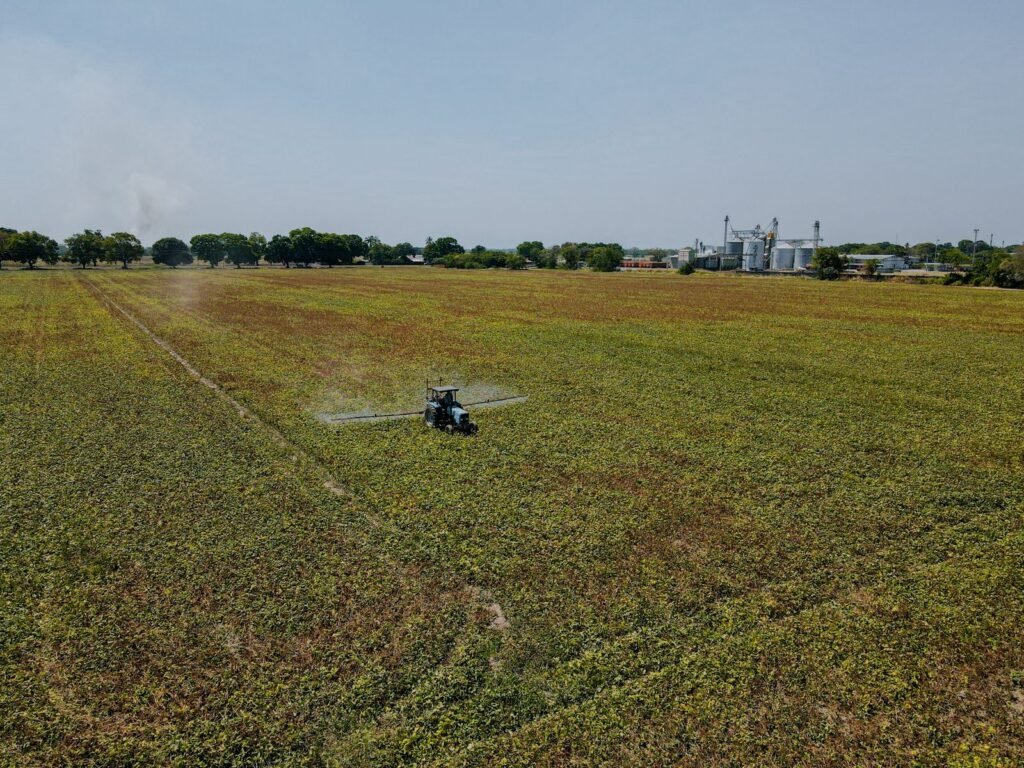
According to the Agency for Toxic Substances and Disease Registry, doctors can test for chlorpyrifos in two main ways:
- Blood tests that measure the activity of an enzyme called acetylcholinesterase, which chlorpyrifos can affect.
- Urine tests that look for TCP, a breakdown product of chlorpyrifos.
ATSDR says TCP can usually be found in urine for several days after exposure. After that window, a test may not show anything, even if exposure was heavy for years.
When testing may still help
If you think you were exposed in the last few days, such as during a recent spray or a drift event, tell a doctor right away. A prompt test may create medical chlorpyrifos exposure evidence that would be lost later.
For past exposure, a law firm will usually rely on work records, addresses, pesticide use data and witness accounts instead. A missing lab test does not by itself end a claim.
If you feel sick now
Symptoms such as headache, blurred vision, watery eyes, muscle twitching or trouble breathing after a possible exposure need medical care. Call 911 for severe symptoms, or call Poison Help at 1-800-222-1222.
Workplace Safety Records as Chlorpyrifos Exposure Evidence
Farm employers have had federal duties to keep and share pesticide information. If you worked on a farm, orchard, nursery or greenhouse, these records may be strong chlorpyrifos exposure evidence.
Worker Protection Standard records
Under the EPA’s Worker Protection Standard, agricultural employers must keep records of pesticide applications and hazard information for two years. Workers, handlers, treating medical staff or a designated representative can ask for them.
A designated representative may request records going back two years, and the employer must provide copies within 15 days. Those records can include:
- The product name, EPA registration number and active ingredient
- The crop or site treated and its location
- The dates and times the application started and ended
- The restricted-entry interval on the label
- A copy of the safety data sheet
If your work ended long ago, the two-year window has likely passed. But some employers keep records longer, so it is still worth asking in writing.
Training records
The standard also requires annual pesticide safety training. A training card or sign-in sheet can show you worked around pesticides during a certain year. Save any certificates you received.
Restricted use pesticide records
USDA says certified private applicators must keep records of federally restricted use pesticide applications for two years. Each record must be made within 14 days and include the product, EPA number, amount, date, location, crop, area treated and applicator name and number, according to USDA.
Not every chlorpyrifos product was a restricted use pesticide. Still, if you or your family farmed and kept spray books, they may be valuable chlorpyrifos exposure evidence.
Witness Statements and Personal Records
When official papers are missing, people who were there can fill the gaps. Witness accounts are a common form of chlorpyrifos exposure evidence, especially for farmworkers who were paid in cash or moved often.

Who may be a helpful witness
- Coworkers who mixed, loaded or sprayed with you
- Crew leaders, supervisors or farm labor contractors
- Neighbors who saw spraying near your home
- Teachers or school staff who remember spraying near a school
- Family members who washed your work clothes or saw product labels
What a useful statement includes
A helpful statement is short and specific. A participating law firm will usually prepare formal statements, but a witness can start by writing down:
- Their full name and how they know you
- The places, crops or buildings involved
- The years, and the season if they remember it
- Product names or label colors they recall
- What they saw, such as spray rigs, mist or protective gear
Ask witnesses to describe only what they saw or did themselves. Clear, honest accounts make stronger chlorpyrifos exposure evidence than guesses.
If a witness has moved away or speaks another language, that is fine. A firm can arrange interpreters and follow up by phone or mail.
Personal records people forget
- Old photos of you at work, your truck or your equipment
- Calendars, diaries or letters that mention spray days
- Church, school or clinic records showing where your family lived
- Immigration, union or work permit papers with employer names
Chlorpyrifos Exposure Evidence for Pest Control Workers and Families
Not all exposure happened on farms. Before most home uses ended, chlorpyrifos was used for termites, roaches and other pests in and around buildings. Pest control workers often had heavy, repeated contact.
Records for structural pest control work
- Service tickets or work orders listing the product used at each job
- Route sheets or daily logs showing how many jobs you did
- Your state structural pest control license or registration, with dates
- Company training files and safety meeting sign-in sheets
- Vehicle or equipment photos showing tanks, hoses or product labels
Termite treatments often meant working in crawl spaces and under slabs, where vapors can build up. Note any jobs done in tight, enclosed spaces. Details like these can make chlorpyrifos exposure evidence more complete.
Take-home exposure
Family members of workers can also be exposed through residue on clothes, shoes, skin and vehicles. If a parent or spouse came home in work clothes, that detail matters.
Useful chlorpyrifos exposure evidence for take-home exposure includes proof of the worker’s job, proof that the family lived together at the time, and accounts of how work clothes were washed and stored. A firm can explain whether a family member may have a separate claim.
Homes that were treated
If your own home was treated for termites years ago, look for old invoices, warranty papers or inspection reports from the pest control company. Home sale records sometimes include termite treatment history too.
How Chlorpyrifos Exposure Evidence Is Organized for a Review
A large box of papers can feel overwhelming. A simple system makes it easier for any firm to review chlorpyrifos exposure evidence quickly and spot gaps.
Build an exposure chart
Make a simple chart with one row for each job or home. Add columns for the years, the address, the crops or sites, the products you remember and the records you have. Leave blank spaces where records are missing.
This chart turns scattered papers into a clear picture. It also shows which pieces of chlorpyrifos exposure evidence are strong and which need support from witnesses or public data.
Match exposure to diagnosis dates
Timing is a key question in any review. Add your diagnosis date and the date symptoms began to the bottom of the chart. A firm will want to see that the chlorpyrifos exposure evidence comes before the illness, and by how many years.
For Parkinson’s, the gap between heavy exposure and diagnosis can be long. For children, the key window is often pregnancy and early childhood. Mark those years clearly.
If you are unsure about a date, add a question mark. Honest gaps are better than a neat chart built on guesses, and good chlorpyrifos exposure evidence can be added later.
Keep originals safe
- Make copies or scans. Give copies to a firm unless it asks for originals.
- Store originals in a dry folder or box away from heat and water.
- Do not write on, cut or tape over old documents.
- Keep a list of every record request you send and when you get a reply.
Do not handle old pesticide containers
Some people find old jugs or bags in a barn or garage. Do not open, move or clean them.
Take photos of the labels from a safe distance and note where they are. Ask your local hazardous waste program how to dispose of them safely.
A clear photo of a label can be useful chlorpyrifos exposure evidence, and it keeps you and your family safe.
Questions to ask a law firm
- Which records in my file are most useful, and what is still missing?
- Can you request employer, license or pesticide use records for me?
- Will you contact my coworkers or neighbors, or should I?
- How does my diagnosis and its timing fit with my exposure years?
- What filing deadline may apply in my state?
Deadlines vary by state and claim type. Starting to gather chlorpyrifos exposure evidence now can help keep your options open.
Frequently asked questions
What is the most important record for a chlorpyrifos claim?
There is no single record. A diagnosis plus proof of where you lived or worked, and when, is usually the starting point.
Can I request California pesticide use data myself?
Yes. California’s data is public and searchable through CalPIP. A law firm may also help find and read it.
Is there a deadline to file?
Yes. Deadlines vary by state and claim type. Some start when you learn about a possible link. Ask a lawyer soon.
Is chlorpyrifos banned?
Not fully. EPA now allows food uses on 11 crops. California ended sales in 2020.
How Direct2Attorney can help
Direct2Attorney can connect you with a participating law firm that may review your records for free. You don’t need every document to start. Learn more about chlorpyrifos claims and request a confidential case review.
Good chlorpyrifos exposure evidence takes time to gather. Starting now can make a real difference.
Direct2Attorney is a legal marketing and referral service, not a law firm. This article is general information, not legal advice. Submitting information does not create an attorney-client relationship.