
In this article (14 sections)
- Who may want a chlorpyrifos case review
- What a free case review involves
- What “confidential” means here
- What to have ready
- Questions a firm may ask
- What happens after the review
- Why timing matters now
- Questions to Ask Before Moving Forward With Chlorpyrifos Claims
- How Records Are Gathered for Chlorpyrifos Claims
- Legal Terms You May Hear in Chlorpyrifos Claims
- Preparing for Your First Call About Chlorpyrifos Claims
- Mistakes to Avoid While Chlorpyrifos Claims Are Reviewed
- Chlorpyrifos claims: frequently asked questions
- How Direct2Attorney can help
Last updated: October 2026
If you were exposed to chlorpyrifos and later received a serious diagnosis, a free, confidential case review can help you learn whether you may have a claim. Direct2Attorney is not a law firm. We connect people with participating law firms that can review the facts at no cost and explain your options. The sections below add questions to ask, how records are gathered, and the legal terms you may hear as chlorpyrifos claims are reviewed.
This page explains what a chlorpyrifos case review involves, what to have ready, and what happens next.
Who may want a chlorpyrifos case review
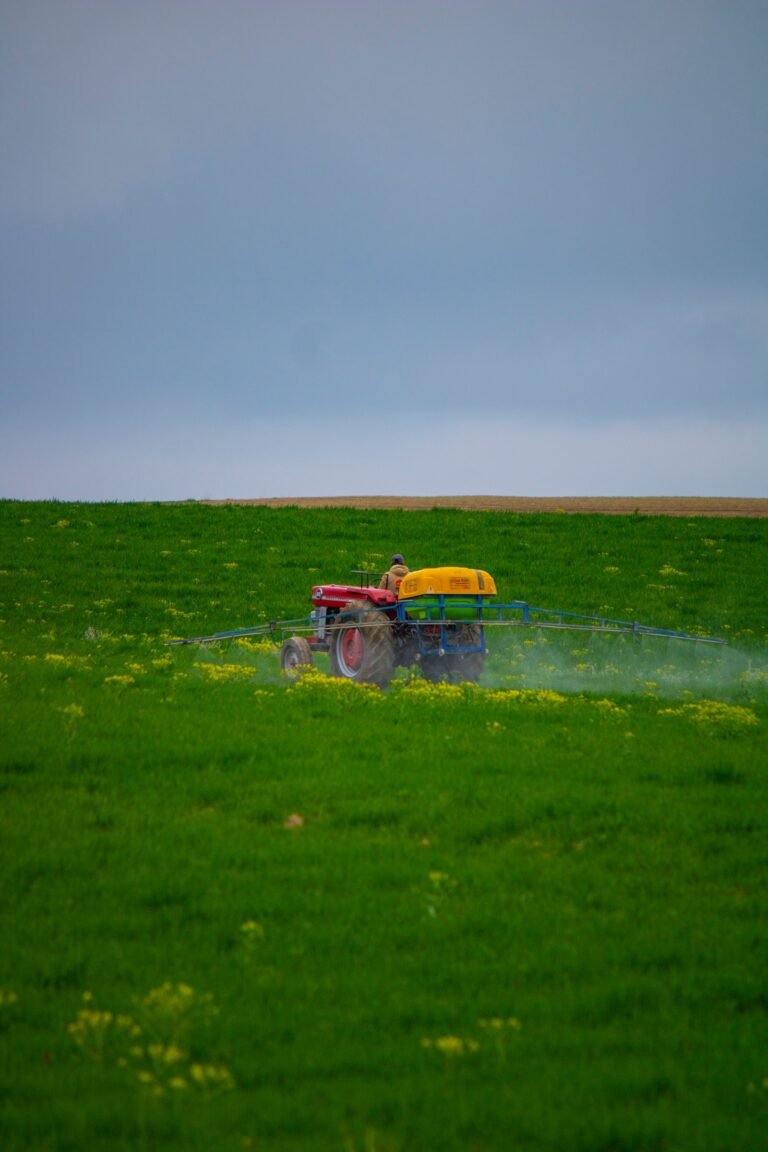
Chlorpyrifos is an insecticide that was sprayed for decades on farms and used in pest control. Claims so far have fallen into two main groups.
- Children and families. In 2021, parents in four California counties sued chlorpyrifos makers, claiming the chemical harmed children’s developing brains, often through exposure before birth or drift from nearby fields.
- Adults with Parkinson’s disease. In June 2026, a former pest control worker filed what is reported as the first chlorpyrifos Parkinson’s lawsuit.
You may want a review if you or your child:
- Worked with chlorpyrifos as an applicator, farmworker, pest control worker or mixer/loader
- Lived near orchards or fields where it was sprayed
- Were pregnant while living or working near treated fields
- Now have Parkinson’s disease, or a child with serious developmental problems
What a free case review involves
A case review is a conversation, not a commitment. Here is what usually happens.
Step 1: You share basic information
You fill out a short form or talk by phone. You’ll be asked about the exposure, the diagnosis and key dates.
Step 2: A participating law firm reviews it
A lawyer or legal team at a participating law firm looks at whether the facts may fit a claim. They may ask follow-up questions or request records.
Step 3: You learn your options
The firm explains whether they may be able to help. You decide whether to move forward. There is no cost to have your situation reviewed.
Why people start with a referral service
Finding a law firm that handles pesticide cases can be hard, especially in rural areas. Chlorpyrifos claims are still new, and not every local firm reviews them. A referral service like Direct2Attorney helps by sending your information to participating law firms that review this type of claim.
This can save time. Instead of calling many offices, you share your story once. A participating firm then follows up with you directly, usually by phone or email, to talk through the details and answer your questions.

What “confidential” means here
Many people worry about who will see their information. Here is what to know:
- Your details are shared with participating law firms for the purpose of reviewing your situation.
- Your employer and the chemical companies are not contacted just because you asked for a review.
- Talking with a lawyer about a possible case is generally kept private. The law firm can explain how confidentiality applies to you.
Submitting information to Direct2Attorney does not create an attorney-client relationship. That only happens if you and a law firm agree to it.
What to have ready
You don’t need everything to start. But these details help a firm review your situation faster:
- Exposure details. Where you worked or lived, the years, crops or sites, and any product names you recall (such as Lorsban or Dursban).
- Diagnosis. The condition, the date and the doctor or clinic.
- Work proof. Pay stubs, tax records or a pesticide applicator license.
- Home proof. Leases, utility bills or school records showing addresses near fields.
- A short timeline. When exposure happened and when symptoms began.
In California, pesticide use reporting data can help show what was sprayed near a location. A firm may help look it up.
Questions a firm may ask
Knowing the questions ahead of time can make the review easier. A participating law firm may ask:
- What was your job, and did you mix, load or spray pesticides yourself?
- Which years did you work with or live near chlorpyrifos?
- How often were fields near your home or school sprayed?
- Did you wear gloves, masks or other protective gear?
- When did symptoms start, and when were you diagnosed?
- Have you used other pesticides, such as paraquat?
- Have you ever filed a claim or lawsuit about this exposure before?
It’s fine to say “I don’t know.” Honest answers help a firm give you an accurate picture.
What happens after the review
If a participating firm believes you may qualify, it will explain the next steps. That may include signing an agreement, gathering records and ordering medical files. The firm, not Direct2Attorney, handles the legal work.
If the firm does not take the case, it may tell you why. Sometimes the reason is timing, missing proof of exposure, or a diagnosis that does not match current claims. You can still ask other lawyers for an opinion.
Either way, you should never feel pressure to sign anything on the spot. Take time to read any agreement and ask questions about fees and costs.
For parents asking on behalf of a child
Parents or guardians usually bring claims for minors. A firm may ask for prenatal records, birth records, developmental evaluations and school records. Deadlines for children’s claims can differ from adult deadlines, so ask about them early.
Why timing matters now
Two things make 2026 an important year to ask questions.
First, the science is growing. A UCLA study published in 2026 linked long-term chlorpyrifos exposure to more than 2.5 times the risk of Parkinson’s. The NIH’s neurology institute also notes that some pesticide exposure raises Parkinson’s risk.
Second, deadlines apply. Filing deadlines vary by state and claim type. In some states, the clock may start when you learn of a possible link between an exposure and an illness. Waiting too long can end a claim.
Where chlorpyrifos stands today
Chlorpyrifos is not fully banned. California ended sales in 2020. The EPA now allows food uses on only 11 crops and has proposed ending the rest, but no final rule has been issued. There is no chlorpyrifos MDL. Cases are filed one at a time.
Questions to Ask Before Moving Forward With Chlorpyrifos Claims
A case review is a two-way conversation. The firm learns about you, and you learn about the firm. Asking good questions can help you decide whether you feel comfortable working together on chlorpyrifos claims.

About the firm
- Has your firm handled pesticide or chemical exposure cases before?
- Who will be my main contact, and how quickly do you usually return calls?
- Can you work with me in Spanish or another language, if I need it?
- Will you work with other firms on my case, and how would that affect me?
About your case
- Do my exposure and diagnosis fit the kinds of chlorpyrifos claims being filed now?
- Which records are the most important for my situation?
- Which court might my case be filed in, and why?
- What filing deadline may apply to me, and when might it have started?
- If I also used paraquat or other pesticides, how does that affect things?
About fees and costs
Ask how the firm is paid. Many injury firms work on a contingency fee, which means the fee is a share of any recovery. Ask what percentage applies, which case costs may be charged, and whether costs come out before or after the fee.
Get the answers in writing before you sign. A clear agreement helps you know what to expect if chlorpyrifos claims move forward.
How Records Are Gathered for Chlorpyrifos Claims
You do not have to collect every document on your own. If a firm takes your case, it will often request records for you. Knowing how that works can make the wait less stressful.
Medical records
A firm will usually ask you to sign authorization forms so it can request your medical files. Under federal privacy rules, providers generally must act on a patient’s request for records within 30 days. They may take one extension of up to 30 more days if they explain the delay in writing.
For Parkinson’s, ask for neurology notes and older primary care records. For children, prenatal, birth, developmental and school records are often key in chlorpyrifos claims.
Farm work records
Under EPA’s Worker Protection Standard, agricultural employers must keep pesticide application and hazard records for two years. A worker’s designated representative may request them, and the employer must provide copies within 15 days.
Older records may no longer exist. But license records, pay stubs, tax forms and your Social Security earnings statement can still show where and when you worked.
Public pesticide data
In California, state pesticide use reports can show what was sprayed near a location and when. A firm may use this data to support chlorpyrifos claims for families who lived near fields.
Records you can get on your own
While a firm requests official files, you can look at home for helpful papers. Check old wallets, glove boxes, filing cabinets and storage boxes for pay stubs, license cards, leases and clinic letters.
Ask relatives too. Parents, siblings or former spouses sometimes keep family papers for decades. Even one dated document can help anchor a timeline in chlorpyrifos claims.
How long it may take
Gathering records often takes weeks or months. Some clinics and employers answer quickly, while others need several reminders. It helps to tell the firm right away if you find new papers at home.
Legal Terms You May Hear in Chlorpyrifos Claims
Legal words can make a simple idea sound complicated. This short glossary explains terms that often come up during a review of chlorpyrifos claims.

- Plaintiff and defendant. The plaintiff is the person who files the lawsuit. The defendant is the company or person being sued, such as a chemical maker.
- Statute of limitations. The deadline to file a lawsuit. It varies by state and claim type.
- Discovery rule. In some states, the deadline starts when a person learned, or should have learned, of a possible link between an exposure and an illness.
- Failure to warn. A claim that a company did not give adequate warnings about known risks.
- Design defect. A claim that a product was unreasonably dangerous as designed.
- Causation. Whether the exposure likely caused or contributed to the illness. Courts often look at both general science and the person’s own facts.
- Discovery. The stage where both sides exchange documents and take sworn testimony.
- MDL. A group of similar federal cases sent to one judge. There is no chlorpyrifos MDL today.
- Settlement. An agreement to resolve a case without a trial. Its terms are often confidential.
- Guardian or next friend. An adult, usually a parent, who brings a claim on behalf of a child.
If a word is not clear, ask the firm to explain it in plain language. You should understand every step before you agree to it.
Why chlorpyrifos claims are filed one by one
Without an MDL or class action, each case is filed on its own in a state or federal court. That means different courts may move at different speeds. It also means your own records and timeline carry a lot of weight.
Preparing for Your First Call About Chlorpyrifos Claims
A first call with a participating law firm usually takes less time than people expect. A little preparation can help you share the most useful details and remember what you were told.
Before the call
- Pick a quiet time and place where you can talk freely.
- Have your one-page timeline, diagnosis date and list of jobs or addresses nearby.
- Write down your questions so you do not forget them.
- Decide whether you want a family member to join and help take notes.
During the call
- Describe your work or home near fields in your own words.
- Share the products you remember, even if you are not sure of the names.
- Mention other pesticides you used. Firms review chlorpyrifos claims more accurately when they know the full picture.
- Ask the firm to repeat or explain anything that is unclear.
After the call
- Write down the name of the person you spoke with and the date.
- Note any records the firm asked you to find.
- Read any agreement slowly before signing, and ask about anything you do not understand.
You are not required to sign anything during or after the call. It is fine to take a few days to think it over.
If paperwork or language is a barrier
Many farmworker families are more comfortable in Spanish or another language. Ask whether the firm offers interpreters or translated documents. You can also ask a trusted relative or community health worker to help you organize papers for chlorpyrifos claims.
If a loved one has passed away
Some families ask about a parent or spouse who had Parkinson’s and has since died. In some states, certain family members may be able to bring a claim on behalf of a person who has died. The rules and deadlines differ, so ask a firm to review the facts, including whether chlorpyrifos claims may still be possible.
Mistakes to Avoid While Chlorpyrifos Claims Are Reviewed
While a firm reviews your situation, a few simple habits can protect your privacy and your options.
- Do not throw anything away. Keep old pay stubs, licenses, leases and medical papers, even if they seem unimportant.
- Do not post about your case. Social media posts can be found and used by the other side.
- Do not sign papers from a company or insurer about your exposure without talking to a lawyer first.
- Do not guess. If you do not remember a date or product, say so. Honest answers help a firm give you an accurate picture.
- Do not wait for a news headline. Deadlines may keep running even while chlorpyrifos claims are still new.
Watch for scams
Be careful with anyone who promises a dollar amount, asks for money up front, or pressures you to decide on the spot. Legitimate firms explain fees in a written agreement and give you time to read it.
Stay informed about the rules
Chlorpyrifos rules have changed many times. According to EPA’s chlorpyrifos page, use is now limited to 11 food and feed crops, and a December 2024 proposal to revoke the other tolerances is still pending. These changes do not decide anyone’s case, but they are part of the background for chlorpyrifos claims.
Deadlines vary by state and claim type. If you or your child may have been harmed, asking questions early can help keep your options open.
Chlorpyrifos claims: frequently asked questions
Does a free case review cost anything?
No. Asking for a review is free. If a law firm offers to represent you, it will explain its fee terms in writing before you agree.
Is Direct2Attorney a law firm?
No. Direct2Attorney is a legal marketing and referral service. We connect people with participating law firms. We do not give legal advice.
Do I have to file a lawsuit if I ask for a review?
No. A review helps you understand your options. You decide what to do.
What if I also used paraquat?
Many applicators used both. A firm may review both. You can also read about paraquat claims.
What if I don’t have records?
You can still ask for a review. Coworkers, family members and public records can sometimes fill gaps.
How Direct2Attorney can help
If chlorpyrifos exposure may have affected you or your child, Direct2Attorney can connect you with a participating law firm for a free, confidential review. Start your chlorpyrifos case review today. A firm may review your facts and explain whether you may qualify.
Direct2Attorney is a legal marketing and referral service, not a law firm. This article is general information, not legal advice. Submitting information does not create an attorney-client relationship.