
In this article (14 sections)
- Why paraquat opened the door
- What chlorpyrifos is and who used it
- The 2026 science that got attention
- The first chlorpyrifos Parkinson’s lawsuit
- Why applicators in particular are filing
- How the rules on chlorpyrifos changed
- What a claim may need
- Step by Step: Getting Ready for a Chlorpyrifos Parkinson’s Lawsuit
- How Parkinson’s Is Diagnosed, and Why It Matters in a Chlorpyrifos Parkinson’s Lawsuit
- Paraquat and Chlorpyrifos Claims: How They Compare
- What to Expect Over Time in a Chlorpyrifos Parkinson’s Lawsuit
- Questions to Ask and Mistakes to Avoid in a Chlorpyrifos Parkinson’s Lawsuit
- Frequently asked questions
- How Direct2Attorney can help
Last updated: October 2026
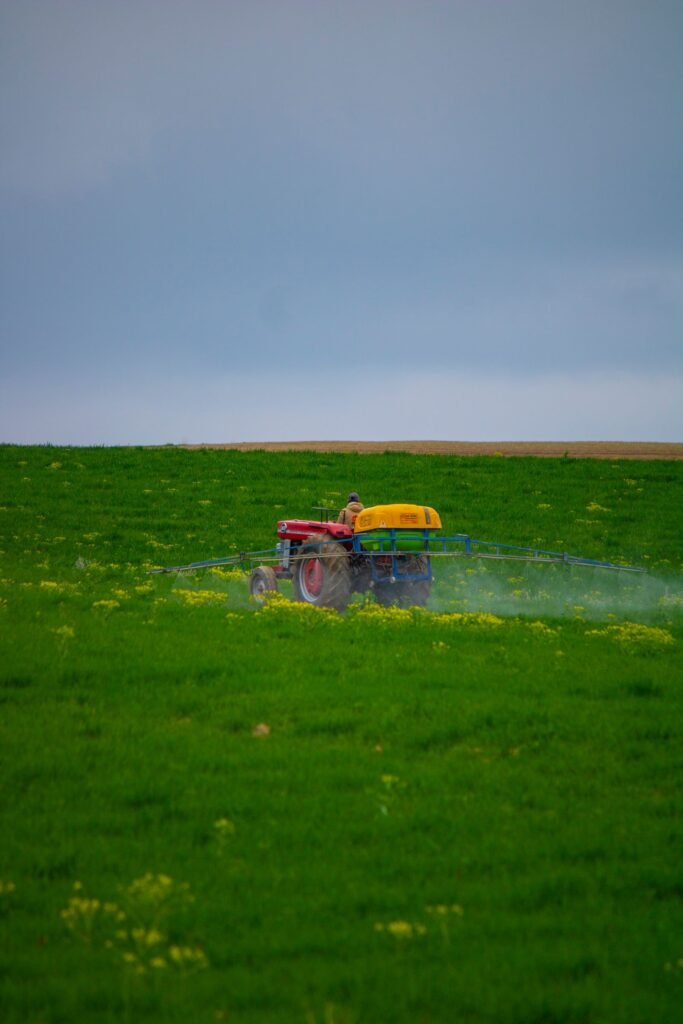
Pesticide applicators with Parkinson’s disease are starting to look at chlorpyrifos the way many farmers already look at paraquat. In June 2026, a former pest control worker filed what is reported as the first lawsuit tying chlorpyrifos to Parkinson’s. New research and years of paraquat litigation help explain why more applicators may consider a chlorpyrifos Parkinson’s lawsuit. If you sprayed chlorpyrifos for years and now have Parkinson’s, the steps below show how a chlorpyrifos Parkinson’s lawsuit is being built and how to prepare.
This guide covers what changed, who is filing, and what these early claims look like.
Why paraquat opened the door
For years, most pesticide-Parkinson’s lawsuits focused on paraquat, a weed killer. Thousands of farmers, farmworkers and applicators have sued its makers. Their cases are grouped in a federal multidistrict litigation (MDL) in Illinois.
That litigation made many people ask a bigger question. If one farm chemical may raise Parkinson’s risk, what about others they used for years? Many applicators mixed and sprayed several products each season. Chlorpyrifos was one of the most common.
The federal National Institute of Neurological Disorders and Stroke says people exposed to some types of pesticides have a greater risk of Parkinson’s. It names farming and landscaping as examples of work-related exposure.
What chlorpyrifos is and who used it
Chlorpyrifos is an organophosphate insecticide. Dow first sold it in the 1960s under brand names such as Lorsban (farm use) and Dursban (structural and home use). Many other companies later sold generic versions.
People with the heaviest contact often included:
- Licensed and commercial pesticide applicators
- Pest control and termite treatment workers
- Crop dusters, ground-rig operators and mixers/loaders
- Farmworkers in orchards, citrus, cotton, corn and alfalfa fields
- Golf course and turf workers
Most home uses ended years ago. Farm use has been cut back but not fully ended. Today, the EPA allows food uses on only 11 crops, including apples, citrus, cotton, soybeans and wheat.
The 2026 science that got attention
In January 2026, UCLA researchers published a study in the journal Molecular Neurodegeneration. They looked at about 1,600 people in California farm counties. Roughly half had Parkinson’s.
Researchers used past home and work addresses and California’s pesticide use records to estimate exposure over three decades. According to a report on the study, people with the highest long-term exposure were more than 2.5 times as likely to develop Parkinson’s.
The team also studied mice and zebrafish. In those animals, chlorpyrifos was linked to brain inflammation and problems with how cells clear damaged proteins. These changes are tied to Parkinson’s.
One study does not prove chlorpyrifos caused any single person’s illness. But it gave lawyers and families a clearer scientific basis to ask questions.
The first chlorpyrifos Parkinson’s lawsuit
In June 2026, Alexander Ramos, a former pest control worker from New York, sued Dow Chemical, Corteva and FMC in the Philadelphia Court of Common Pleas. News coverage describes it as the first lawsuit to connect chlorpyrifos to Parkinson’s disease.
The complaint says the companies knew or should have known about the risk and did not warn users. The companies have not been found liable. The case is at an early stage.
His lawyer said she expects more cases. There is no chlorpyrifos MDL today. Claims are being filed one at a time in state or federal courts.
Why applicators in particular are filing
Applicators often had closer and longer contact with chlorpyrifos than anyone else. They may have:
- Mixed concentrate by hand before loading tanks
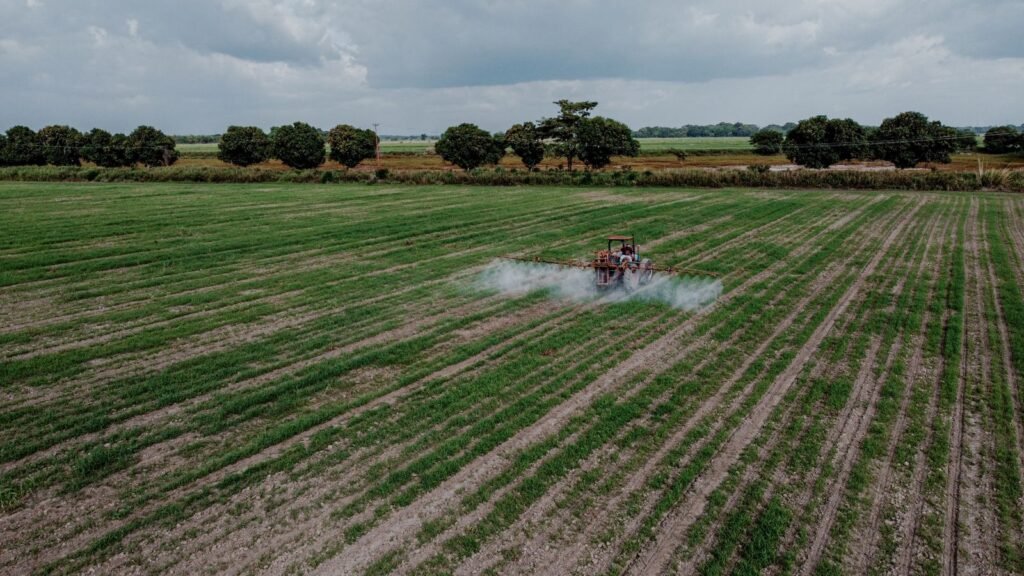
- Sprayed for many seasons, often daily in peak months
- Worn little or no respiratory protection in earlier decades
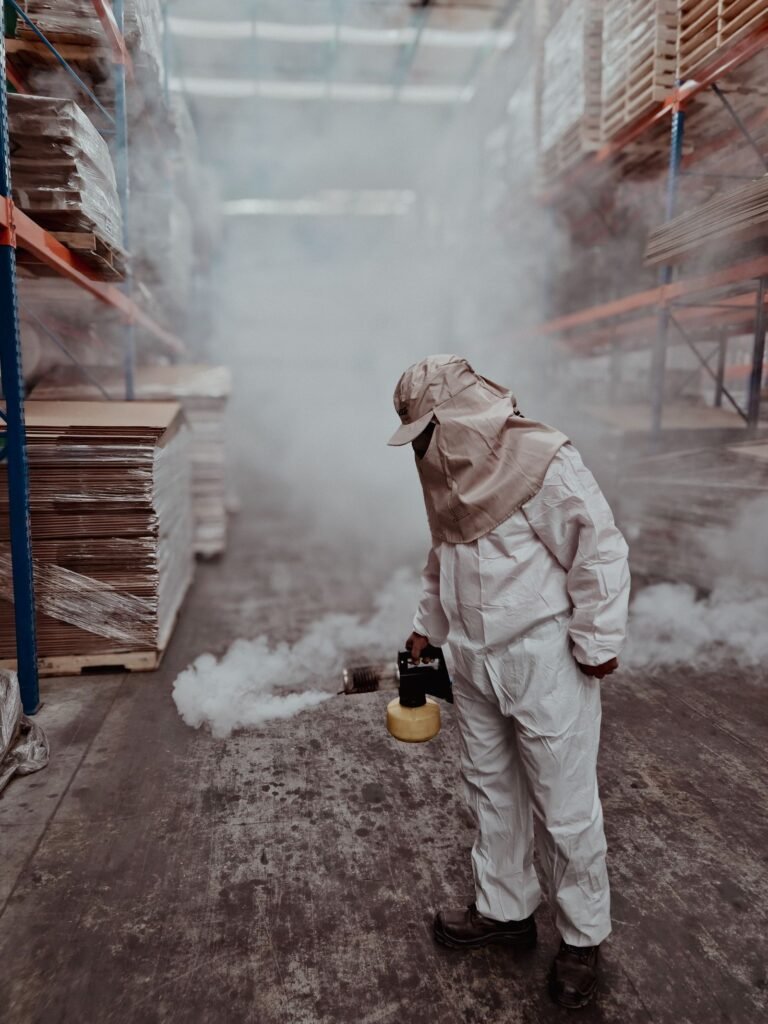
- Worked in enclosed spaces, such as crawl spaces, homes or warehouses
- Handled other pesticides too, including paraquat
That last point matters. Some people used both paraquat and chlorpyrifos. A law firm may review whether a person has a possible claim involving one product, both, or neither. Each product has different makers, records and legal issues.
How the rules on chlorpyrifos changed
The legal climate also shifted because regulators have spent years reviewing chlorpyrifos. Here is a short timeline:
- February 2020: California ended sales after its Department of Pesticide Regulation found concerns about harm to developing brains. Corteva also stopped making chlorpyrifos in 2020.
- August 2021: The EPA revoked all food tolerances, which would have ended food-crop use nationwide.
- November 2023: A federal appeals court (the 8th Circuit) vacated that rule. Tolerances were reinstated in December 2023.
- September 2024: EPA approved labels limiting use to 11 crops.
- December 2024: EPA proposed revoking all other food tolerances. According to the EPA’s FAQ, no final rule has been issued yet.
Earlier regulatory reviews focused mostly on children’s brain development. The Parkinson’s question is newer. Applicators who sprayed for years before these limits are the group now asking whether their illness may be linked.
What applicators often say about their work
Many describe the same pattern. They sprayed the product for years, often because it was cheap and worked on many pests. They trusted the label. Few were told that long-term exposure might affect the brain decades later. Those are the kinds of failure-to-warn issues that lawsuits like the Ramos case raise.
Parkinson’s often appears years later
Parkinson’s can start long before symptoms show. The UCLA team stressed looking at decades of exposure for that reason. Many applicators are diagnosed after they retire, sometimes 10 to 30 years after their heaviest spraying.
What a claim may need
Every case is different. In general, participating law firms look for:
- A diagnosis. A Parkinson’s diagnosis from a doctor, ideally a neurologist.
- Proof of exposure. Pesticide licenses, employer records, spray logs, pay stubs or coworker statements.
- A timeline. When you worked with chlorpyrifos, how often, and when symptoms began.
- Product details. Brand names, labels, or the companies that supplied your employer.
Deadlines to file vary by state and claim type. Some states start the clock when a person learns, or should have learned, that an exposure may be linked to an illness. Because new science came out in 2026, it is worth asking a lawyer how that may apply to you.
Step by Step: Getting Ready for a Chlorpyrifos Parkinson’s Lawsuit
Because these cases are so new, there is no court form or claim program to fill out yet. Each chlorpyrifos Parkinson’s lawsuit is built one person at a time. That makes your own preparation more important.
The steps below can help you organize your history before you talk with a participating law firm. You do not need to finish every step first.
- List every job that involved pesticides. Include employer names, cities, years and the type of work, such as mixing, loading or spraying.
- Name the products you remember. Write down Lorsban, Dursban or any other names, plus what each was used on.
- Find license records. If you held an applicator license, your state agriculture or pesticide agency may confirm the dates.
- Ask about workplace records. Farm employers covered by the federal Worker Protection Standard must keep certain pesticide application records for two years.
- Gather medical records. Request neurology notes, imaging and older primary care records that may show early symptoms.
- Write a one-page timeline. Put exposure years and symptom dates side by side.
What workplace pesticide records can show
Under the EPA’s Worker Protection Standard, farm employers must keep records of pesticide applications and hazard information for two years. A worker’s designated representative can request them, and the employer must provide copies within 15 days.
These records list the product name, active ingredient, crop or site treated and the dates. For someone diagnosed years after retiring, the two-year window may have passed. Older records, if any, still may be worth asking about in a chlorpyrifos Parkinson’s lawsuit.
If your employer has closed or you were self-employed
Many pest control companies and farms have closed, merged or changed owners over the decades. That does not end a chlorpyrifos Parkinson’s lawsuit before it starts. Other sources can help fill the gaps.
- Your Social Security earnings statement, which lists employers by year
- Old tax returns, W-2s or 1099s
- Union cards, training certificates or continuing education records for your license
- Photos of you at work, your truck or your equipment
- Written statements from coworkers or supervisors who worked beside you
Restricted use pesticide records
Certified private applicators must also keep records of federally restricted use pesticide applications for two years, according to USDA. Not every chlorpyrifos product was restricted, but if you kept your own spray books, save them.
How Parkinson’s Is Diagnosed, and Why It Matters in a Chlorpyrifos Parkinson’s Lawsuit
A clear diagnosis is the medical anchor of any chlorpyrifos Parkinson’s lawsuit. Yet Parkinson’s can be tricky to confirm, especially early on.
According to the National Institute of Neurological Disorders and Stroke, there is no single test for Parkinson’s disease. Doctors look at medical history, do a neurological exam and may order blood tests and brain imaging.
Key facts from NINDS
- The main symptoms are tremor, stiffness, slowed movement and problems with balance.
- The average age for Parkinson’s to start is in the early to mid-60s.
- A DaT scan can help with diagnosis, but it cannot tell Parkinson’s apart from some similar conditions.
- People exposed to some types of pesticides have a greater risk of Parkinson’s.
Because other conditions can look like Parkinson’s, a diagnosis from a neurologist, ideally one who treats movement disorders, can carry more weight. If your diagnosis came from a primary care doctor, ask whether a referral makes sense.
Records that help the medical side
- The first note where a doctor recorded a tremor or other sign
- Neurology visit notes and exam findings
- Any imaging, including a DaT scan if one was done
- A list of Parkinson’s medicines and when you started each one
Under federal privacy rules, providers generally must act on a request for your records within 30 days. Asking early can keep a chlorpyrifos Parkinson’s lawsuit review from stalling.
Paraquat and Chlorpyrifos Claims: How They Compare
Many applicators who ask about a chlorpyrifos Parkinson’s lawsuit already know about paraquat. The two claims share a theme, but they work very differently in court.

- Court structure. Federal paraquat cases are grouped in MDL No. 3004, created in June 2021 in the Southern District of Illinois. There is no chlorpyrifos MDL, so each case is filed on its own.
- Type of product. Paraquat is a weed killer. Chlorpyrifos is an insecticide.
- Companies involved. The defendants are different. The first chlorpyrifos Parkinson’s lawsuit named Dow, Corteva and FMC.
- Stage of the science. Paraquat has been argued in court for years. The chlorpyrifos science is newer, with the 2026 UCLA study getting the most attention.
If you used both
Applicators often sprayed many products in a season. If you used both chemicals, tell the firm everything. A firm may review whether you could have a paraquat claim, a chlorpyrifos Parkinson’s lawsuit, both or neither.
Keep separate notes for each product: years used, crops, how you applied it and who supplied it. That makes it easier to sort out which companies may be responsible.
Why the paraquat cases still matter
Even though the chemicals differ, the paraquat litigation shows how courts handle questions about pesticides and Parkinson’s. Issues like how to prove exposure decades later, and how judges review the science, are likely to come up again.
That history may help firms and families know what records to look for, but it does not predict how any chlorpyrifos case will turn out.
What to Expect Over Time in a Chlorpyrifos Parkinson’s Lawsuit
Product cases like these often take years. No one can say how long any single chlorpyrifos Parkinson’s lawsuit will last, but most move through similar stages.
- Case review. A firm looks at your diagnosis, exposure history and dates to decide whether it may be able to help.
- Filing. If the firm takes the case, it files a complaint in a state or federal court. The first case was filed in Philadelphia.
- Discovery. Both sides exchange documents and take sworn testimony. You may be asked about your work history and health.
- Science review. Judges often decide whether each side’s scientific witnesses may testify. This step can shape the whole case.
- Trial or resolution. Some cases go to trial. Others settle or are dismissed. Results depend on the facts and the court.
Because there is no MDL, early cases may move at different speeds in different courts. Rulings in one court do not always control another. Your firm can explain how this may affect a chlorpyrifos Parkinson’s lawsuit filed where you live.
Staying involved without wearing yourself out
Parkinson’s symptoms can change from day to day. Ask your firm whether calls can be scheduled at the time of day you feel strongest, and whether a family member may join. Keep one folder for every letter you receive.
Talking with your family
Spouses, children and former coworkers often remember details you have forgotten, such as which products were stored in the barn or which years you worked for a certain grower. Ask them to write down what they recall.
Some families worry that a chlorpyrifos Parkinson’s lawsuit will mean conflict with a former employer. The first case named the companies that made and sold the chemical, not the worker’s employers. A firm can explain who may be named in your situation.
Questions to Ask and Mistakes to Avoid in a Chlorpyrifos Parkinson’s Lawsuit
Parkinson’s can make paperwork and long calls tiring. It is fine to ask a family member to help. These lists may make the first conversation smoother.
Questions to ask a participating law firm
- Has your firm reviewed a chlorpyrifos Parkinson’s lawsuit before, and what stage are those cases in?
- Which court would my case likely be filed in, and why?
- Which of my records matter most, and which can you request for me?
- How do you handle gaps in my work history from decades ago?
- How does my paraquat use, if any, affect a chlorpyrifos claim?
- What filing deadline may apply in my state, and when might it have started?
- What fees and costs would apply, and when?
Common mistakes
- Waiting for an MDL or class action to form before asking questions. Deadlines may keep running.
- Throwing out old licenses, spray books or pay stubs during a move.
- Guessing at years. Write “about” and let records fill in the rest.
- Leaving out other exposures or family history. The defense will look for them, so your firm should know first.
- Posting about your health or a possible case on social media.
Deadlines vary by state and claim type. A chlorpyrifos Parkinson’s lawsuit may depend on when you learned of a possible link, so a timely review can help protect your options.
Frequently asked questions
Is there a chlorpyrifos Parkinson’s class action or MDL?
No. As of October 2026, there is no MDL for chlorpyrifos Parkinson’s claims. Cases are being filed individually.
I used both paraquat and chlorpyrifos. Can I have claims for both?
Possibly. A firm may review both exposures. If you have Parkinson’s and used paraquat, you can also learn about paraquat claims.
Is chlorpyrifos still used?
Yes, on a limited basis. The EPA allows food uses on 11 crops and has proposed revoking the rest. California ended sales in 2020.
I’m retired. Is it too late?
Not necessarily. Deadlines vary by state and claim type, and some depend on when you learned of a possible link. A lawyer can review your dates.
How Direct2Attorney can help
If you worked as a pesticide applicator and now have Parkinson’s, Direct2Attorney can connect you with a participating law firm for a free, confidential review. A firm may look at your work history and diagnosis to see if you may qualify. Learn about chlorpyrifos claims and start a review today.
Chlorpyrifos Parkinson’s lawsuits are new. Getting your records together now can help if more cases move forward.
Direct2Attorney is a legal marketing and referral service, not a law firm. This article is general information, not legal advice. Submitting information does not create an attorney-client relationship.