
In this article (15 sections)
- “We lived next to the orchards”
- How children were exposed
- What the science says about chlorpyrifos exposure in children
- The Central Valley lawsuits
- Why these cases can be hard, and what helps
- Where chlorpyrifos stands now
- What parents can do now
- Getting a Developmental Evaluation When You Worry About Chlorpyrifos Exposure in Children
- If You Suspect Recent Chlorpyrifos Exposure in Children
- Pregnancy, Farm Work and Living Near Fields
- Myths and Facts About Chlorpyrifos Exposure in Children
- Talking With Your Child, Teachers and Family
- Building a Record for a Child’s Claim
- Frequently asked questions
- How Direct2Attorney can help
Last updated: October 2026
Chlorpyrifos exposure in children has been a worry for farmworker families for years. Many lived right next to orchards and fields that were sprayed, and some parents worked in those fields while pregnant. Since 2021, families in California’s Central Valley have filed lawsuits claiming the insecticide harmed their children’s brains. The sections below add practical steps for evaluations, recent exposures and pregnancy, plus how to document chlorpyrifos exposure in children over time.
This article looks at why these families were exposed, what the lawsuits claim, and what parents can do now.
“We lived next to the orchards”
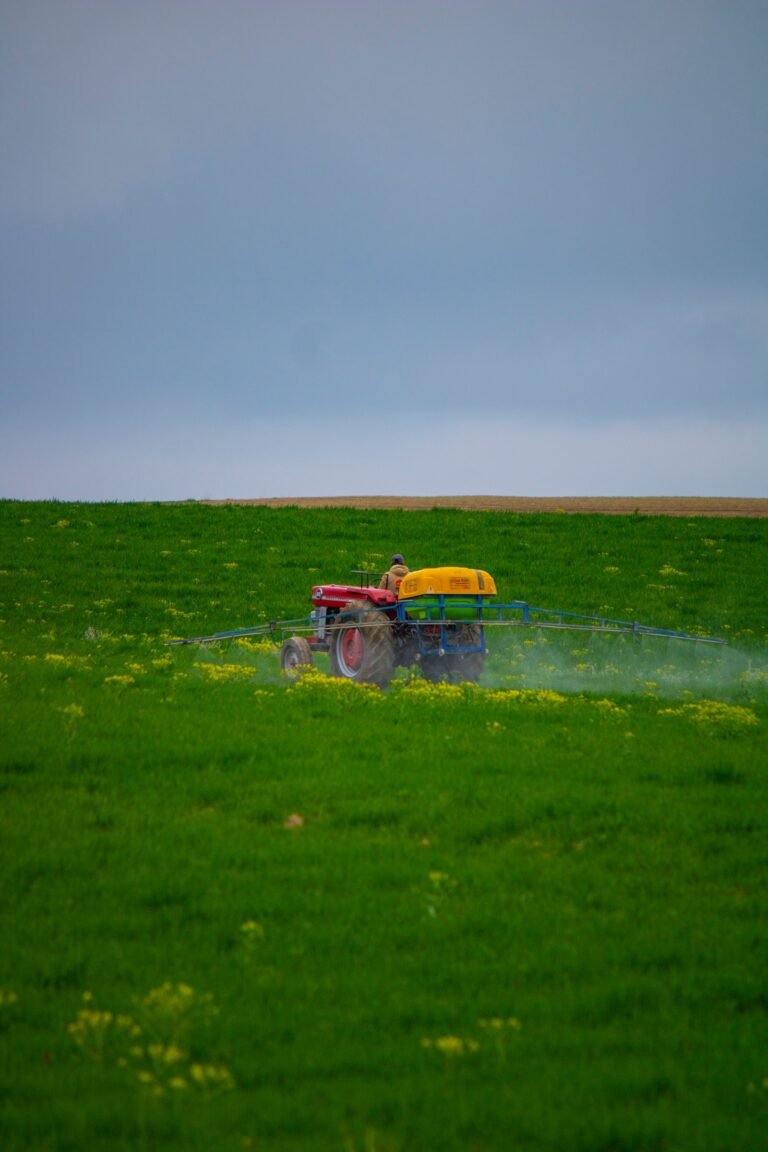
In farm towns, homes often sit at the edge of crops. Labor camps, rental houses and trailer parks may be steps from orchard rows. Schools and bus stops are often beside fields too.
For these families, spraying was part of daily life. Parents describe:
- Mist drifting over yards during early-morning spraying
- A strong smell that lingered for hours
- Children playing outside near treated rows
- Work clothes coming home covered in dust and residue
Many had no warning before spraying and no way to know which chemicals were used. Some only learned about chlorpyrifos years later.
How children were exposed
Children can be exposed in several ways:
- Before birth. A pregnant parent may breathe in drift, or work in treated fields.
- Drift. Spray or vapor moves off fields onto homes, yards, playgrounds and schools. EPA explains how pesticide drift travels off target areas.
- Take-home exposure. Residue on a parent’s clothes, shoes and skin comes into the house.
- Household dust and soil. Residue settles and builds up where children crawl and play.
Children breathe faster, put their hands in their mouths, and spend time close to the ground. Their brains are still developing. That makes them more vulnerable than adults.

What the science says about chlorpyrifos exposure in children
California’s Department of Pesticide Regulation named harm to fetal and childhood brain development as a primary reason for ending chlorpyrifos use in the state. It also declared the chemical a toxic air contaminant.
Research has studied links between prenatal exposure and problems such as:
- Lower IQ and learning difficulties
- Attention problems
- Developmental delays
- Changes in brain structure
Every child is different, and many things can affect development. A doctor can help evaluate your child’s needs. A law firm may review whether exposure could be part of the story.
The Central Valley lawsuits
In July 2021, parents in Fresno, Kings, Madera and Tulare counties sued Dow Chemical, Corteva and several farming companies. News coverage reported the suits claim chlorpyrifos caused brain damage in children, including before birth. One case described a teenager with autism and intellectual disabilities.
The same reports said about 61 million pounds of chlorpyrifos were applied in those four counties from 1974 to 2017.
The lawsuits are allegations. The companies deny wrongdoing, and no court has found them liable in these cases. There is no chlorpyrifos MDL. Each case moves on its own.
Why farm companies are named too
Some families sued not only the chemical makers but also the growers who sprayed nearby. Those claims focus on how and when the chemical was applied, such as spraying in wind or near homes.
Why these cases can be hard, and what helps
Drift and prenatal exposure cases face real challenges. The exposure may have happened 10 or 20 years ago. Families may have moved often. Records may be in English only, or not kept at all.
The defense may point to other causes of a child’s condition, such as genetics or premature birth. It may also argue the family did not live close enough to treated fields.
Some things can help:
- Consistent addresses. Even a few documents showing where you lived can anchor a timeline.
- Public spray data. In California, state records can show chlorpyrifos use by location and date.
- Medical history. Thorough records of a child’s diagnosis and evaluations support the harm side of a claim.
- Witnesses. Neighbors, coworkers or teachers may remember spraying near homes or schools.
A participating law firm can review what you have and explain whether it may be enough to move forward.
Where chlorpyrifos stands now
California ended chlorpyrifos sales in February 2020. Corteva stopped making it the same year.
Nationwide, the story has been back and forth. EPA revoked all food tolerances in 2021, but a federal appeals court reversed that in 2023. Today, EPA allows food uses on 11 crops, including apples, peaches, cherries, citrus and strawberries. A proposal to end other uses is still not final, according to EPA’s FAQ.
So children in some farm areas outside California may still live near fields where it is used.
What parents can do now
If you believe your child was exposed, these steps can help:
- Talk to your child’s doctor. Share where you lived and worked, and when. Ask about developmental testing if you have concerns.
- Collect records. Keep prenatal records, birth records, school evaluations, IEP plans and therapy records.
- Document where you lived. Leases, utility bills and school enrollment papers can show addresses near fields.
- Write down work history. Note which fields or crops you worked in, especially during pregnancy.
- Use public data. California’s pesticide use reporting records show what was applied and where since 1990.
Support for your family
Caring for a child with developmental needs is hard. Your local school district and regional center (in California) may offer free evaluations and services. These do not depend on any lawsuit. Early help, such as speech, occupational or behavioral therapy, can make a real difference for many children.
It is also normal for parents to feel guilt or anger. Many families had no idea what was being sprayed nearby. Exposure from living or working near fields is not a parent’s fault. Talking with other families, a counselor or a community health worker can help. Many community clinics in farm areas have staff who speak Spanish and other languages.
Getting a Developmental Evaluation When You Worry About Chlorpyrifos Exposure in Children
Many parents first notice something is different when a child is slow to talk, walk or focus. You do not need to know the cause to ask for help. An early evaluation can open the door to services, whether or not chlorpyrifos exposure in children is part of the story.

For children under 3
Every state has a publicly funded early intervention program for babies and toddlers with developmental delays. According to the CDC, a doctor’s referral is not needed. You can contact your state program directly and ask for a free evaluation.
CDC says these programs provide services for free or at reduced cost. Services may include speech, physical or occupational therapy and support for parents.
For children 3 and older
CDC advises parents to call the local public school district and ask for an evaluation for preschool special education services. If needed, ask to speak with the district’s special education director.
For school-age children, put the request in writing and keep a copy. The school may develop an individualized education program, often called an IEP, if your child qualifies.
If your family speaks another language
You can ask for an interpreter at evaluations and school meetings, and for reports in your language. Bringing a trusted relative or community health worker can also help you follow the discussion and ask questions.
Tips for the evaluation
- Bring a list of the milestones or behaviors that worry you, with dates.
- Share where your family lived and worked, especially during pregnancy.
- Ask for a written copy of every evaluation report.
- Ask what services are recommended and how often your child will be rechecked.
These reports help your child now. They may also become important records if a law firm later reviews a claim about chlorpyrifos exposure in children.
If You Suspect Recent Chlorpyrifos Exposure in Children
Most claims involve exposure that happened years ago. But some children outside California may still live near fields where chlorpyrifos is used. If you think a child was exposed recently, act quickly.
Symptoms to watch for
According to the Agency for Toxic Substances and Disease Registry, short-term exposure can cause nervous system effects such as headaches, blurred vision and watery eyes. Higher exposure can cause muscle tremors, seizures or loss of consciousness.
ATSDR also notes that young children may swallow the chemical by putting hands or objects in their mouths after touching it.
What to do right away
- Move the child indoors, away from the spray or smell.
- Remove clothes that may have residue and wash the child’s skin and hands with soap and water.
- Call 911 for trouble breathing, seizures or fainting.
- For other symptoms, call Poison Help at 1-800-222-1222.
- See a doctor and tell them about the possible exposure.
Why timing matters for testing
ATSDR says a chlorpyrifos breakdown product can usually be found in urine for several days after exposure. If a doctor thinks testing makes sense, it should be done soon. After that, records and notes become the main proof of chlorpyrifos exposure in children.
Pregnancy, Farm Work and Living Near Fields
The research on chlorpyrifos has focused heavily on exposure before birth. If you are pregnant and live or work near treated fields, a few steps may help protect you and your baby.

At work
- Ask your employer what is being sprayed and when.
- Do not enter fields during the restricted-entry interval listed on the label.
- Use the protective gear and washing stations your employer provides.
- Ask for a different task if you are worried about spray work during pregnancy.
Under the EPA’s Worker Protection Standard, farm employers must give annual pesticide safety training and share pesticide application and hazard information with workers or their medical providers on request.
At home
- Close windows and stay indoors during nearby spraying.
- Change out of work clothes and shoes before entering the house.
- Wash work clothes apart from the family’s laundry.
- Wipe floors and window sills often to reduce dust.
With your prenatal provider
Tell your doctor or midwife about your work and how close you live to fields. Ask that it be written in your prenatal record. If your child later has developmental concerns, that note may help doctors understand the history.
After the baby is born
Keep up with well-baby visits, and ask the pediatrician about developmental screening at each checkup. Let the doctor know about your work and home near fields during pregnancy, so it is part of your baby’s record from the start.
Myths and Facts About Chlorpyrifos Exposure in Children
Parents hear many things from neighbors, relatives and social media. Clear facts can ease guilt and help families focus on next steps.
Myth: If my child seemed fine as a baby, there was no harm
Some learning or attention problems only show up when a child starts school. That does not prove a link to any chemical, but it is a reason to ask for an evaluation if you have concerns.
Myth: It was my fault for living near the fields
Families often lived near fields because that is where the work and housing were. Many had no warning about what was sprayed. Chlorpyrifos exposure in children from drift or a parent’s job is not a parent’s fault.
Myth: A blood test today will show what happened years ago
Tests can only show recent exposure. For exposure that happened during pregnancy or early childhood, records of where you lived and worked usually matter more.
Myth: Chlorpyrifos is banned everywhere now
California ended sales in 2020, but EPA still allows use on 11 crops in some states. Families in some farm areas may still live near fields where it is applied.
Myth: Services depend on a lawsuit
Early intervention and school special education services do not depend on any legal claim. You can get help for your child now, whatever you decide about chlorpyrifos exposure in children and the law.
Talking With Your Child, Teachers and Family
Children notice when parents are worried. Simple, calm words can help them feel safe while you sort out next steps.
With your child
- Use short, honest words that fit your child’s age.
- Focus on what helps, such as therapy, tutoring or extra time at school.
- Avoid talking about lawsuits or blame in front of young children.
- Praise effort and progress, not just results.
With teachers
Teachers often see patterns that parents miss. Ask them to share notes about attention, reading or behavior. Keep copies of emails and report cards in your folder.
Caring for yourself
Parents carry a heavy load when a child has special needs. Rest when you can, accept help from family, and reach out to a counselor or community health worker if you feel overwhelmed. Many clinics in farm areas offer support in Spanish and other languages.
Building a Record for a Child’s Claim
Claims about chlorpyrifos exposure in children often depend on records from many years and many places. Parents can start building that record now, one piece at a time.
A simple family timeline
Make a list with one line for each home and job. Include the years, the address, the crops nearby and who in the family worked in the fields. Mark the months of each pregnancy and the child’s birth date.
Then add the child’s milestones, diagnosis dates and evaluations. This one page can help a participating law firm see whether the timing of chlorpyrifos exposure in children fits a possible claim.
Records to keep together
- Prenatal and birth records
- Well-child visit notes and growth charts
- Early intervention, IEP and therapy reports
- School report cards and teacher notes about learning or attention
- Leases, utility bills and school enrollment papers showing where you lived
- Pay stubs or work records from fields or packing sheds
Questions to ask a law firm
- Do my child’s diagnosis and our family’s history fit the kinds of claims being filed?
- Who brings the claim for a minor, and how are the child’s interests protected?
- What deadline applies to my child, and does it differ from an adult’s deadline?
- Will my child need to be examined or interviewed?
- How will you protect my family’s privacy?
Deadlines vary by state and claim type, and rules for children can differ. A participating law firm may review your family’s records and explain whether chlorpyrifos exposure in children may support a claim in your case.
Frequently asked questions
Can I file a claim if I’m undocumented?
Immigration status does not automatically prevent someone from bringing a claim. A participating law firm can explain how this may apply to your family.
I worked in the fields myself. Can I file for my own health?
Possibly. Adult farmworkers and applicators with Parkinson’s have started filing chlorpyrifos claims. A firm may review both a parent’s and a child’s situation.
My child is now an adult. Is it too late?
Not always. Deadlines vary by state and claim type, and rules for claims involving minors often differ. Ask a lawyer soon.
Do I need proof we lived near fields?
It helps. Records like leases, school papers and bills are useful. Public pesticide data can show spraying near an address.
Is chlorpyrifos still used near homes?
Not in California since 2020. In some other states, limited use on 11 crops is still allowed.
How Direct2Attorney can help
If your family lived near orchards or fields and your child has serious developmental problems, Direct2Attorney can connect you with a participating law firm for a free, confidential review. Learn about chlorpyrifos lawsuits. A firm may review your family’s story and explain whether you may qualify.
Chlorpyrifos exposure in children is a painful issue for many farmworker families. Asking questions is a first step toward answers.
Direct2Attorney is a legal marketing and referral service, not a law firm. This article is general information, not legal advice. Submitting information does not create an attorney-client relationship.