In this article (15 sections)
- What chlorpyrifos is
- The science behind the chlorpyrifos lawsuit
- The ban that wasn’t quite a ban
- Track one: children and families
- Track two: adults with Parkinson’s
- What a plaintiff generally has to show
- How the two tracks compare
- How a Chlorpyrifos Lawsuit Moves Through Court
- Evidence in a Chlorpyrifos Lawsuit: What Each Side Looks For
- Deadlines and Timing in a Chlorpyrifos Lawsuit
- Common Myths About a Chlorpyrifos Lawsuit
- Talking With Family and Doctors Before a Chlorpyrifos Lawsuit
- Is a Chlorpyrifos Lawsuit an Option for You? Questions and Next Steps
- Frequently asked questions
- How Direct2Attorney can help
Last updated: October 2026
A chlorpyrifos lawsuit claims that exposure to the insecticide chlorpyrifos caused serious harm. Today the litigation runs on two tracks. One involves children said to have suffered brain damage from exposure before or after birth. The other, newer track involves adults with Parkinson’s disease. This updated guide also explains how a chlorpyrifos lawsuit moves through court, what evidence matters, and why filing deadlines deserve early attention.
This explainer covers the science, the on-and-off “ban,” and how the two tracks differ.
What chlorpyrifos is
Chlorpyrifos is an organophosphate insecticide. It kills insects by disrupting an enzyme in the nervous system. Dow introduced it in the 1960s, and it was later sold under names like Lorsban and Dursban, plus many generic versions.
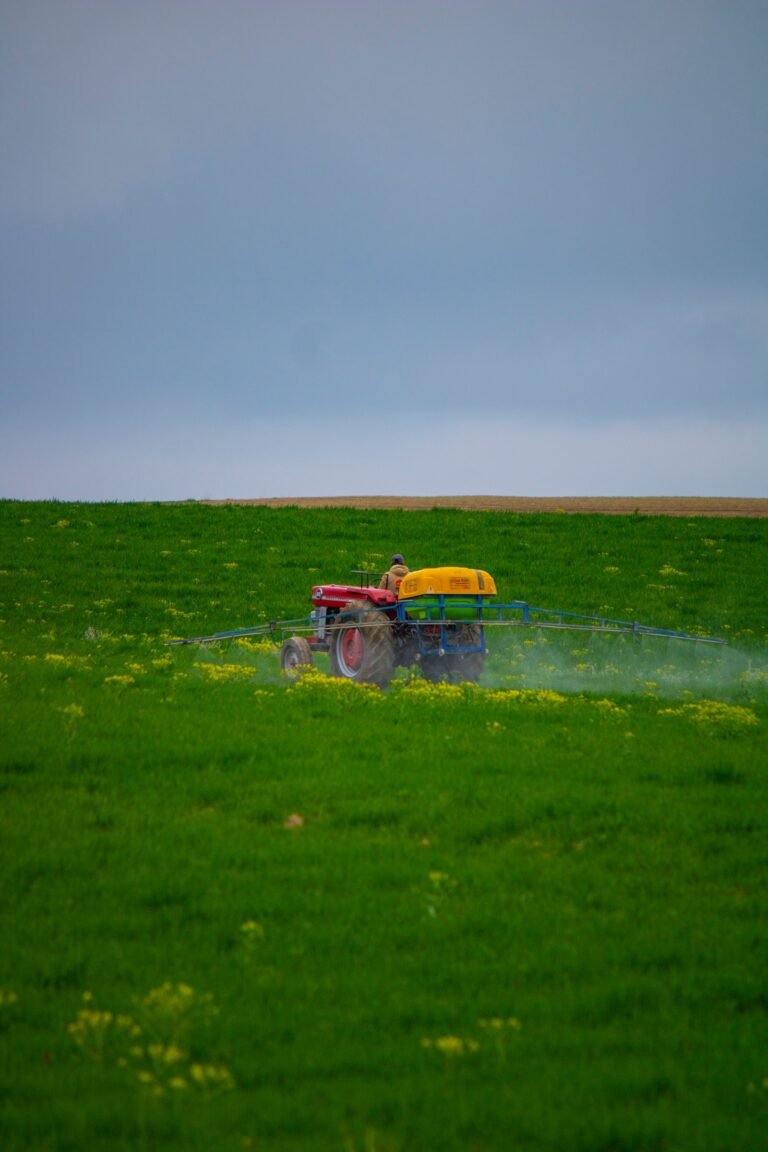
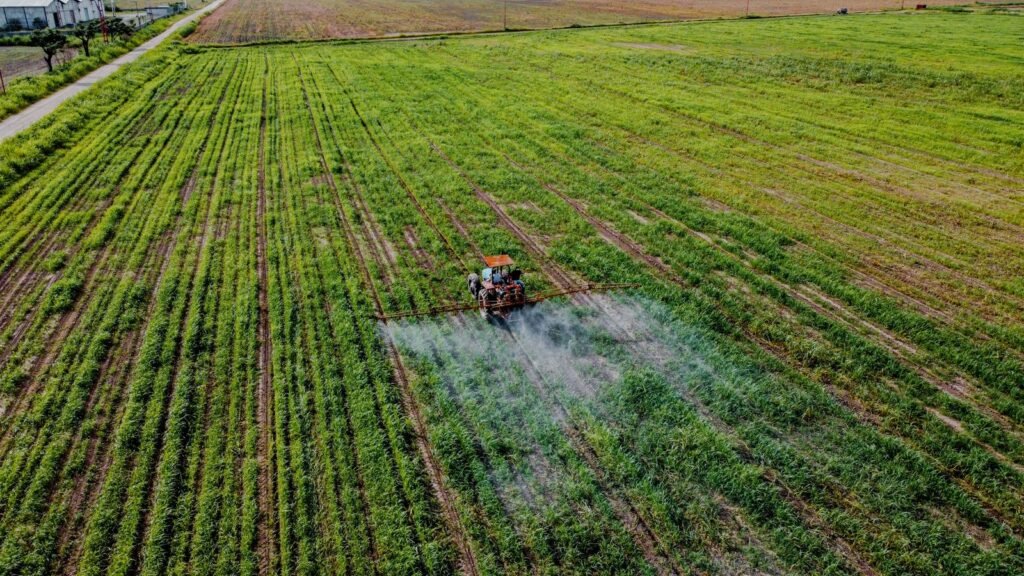
For decades it was one of the most widely used insecticides in the U.S. It was sprayed on orchards, citrus, cotton, corn, alfalfa and other crops. It was also used for termites and household pests until most home uses were phased out.
The science behind the chlorpyrifos lawsuit
Children’s brain development
Most early concern centered on the developing brain. California’s Department of Pesticide Regulation named harm to fetal and childhood brain development as a main reason for ending use in the state. It also listed chlorpyrifos as a toxic air contaminant.
Research on exposure during pregnancy has looked at links to lower IQ, attention problems and developmental delays. That research drove much of the regulatory action over the past decade.
Parkinson’s disease
The Parkinson’s science is newer. In January 2026, UCLA researchers published a study in Molecular Neurodegeneration. It included about 1,600 people in California farm counties, about half with Parkinson’s.
Using past addresses and state pesticide records, researchers estimated decades of exposure. Reporting on the study says people with the highest long-term exposure were more than 2.5 times as likely to develop Parkinson’s. Lab work in mice and zebrafish pointed to brain inflammation and problems clearing damaged proteins.
The National Institute of Neurological Disorders and Stroke also says some pesticide exposure is linked to higher Parkinson’s risk.
What the science can and can’t say
A study like this shows a link across a group of people. It does not prove that chlorpyrifos caused any one person’s illness. Parkinson’s has many possible risk factors, including age, genetics and other chemical exposures. In court, both sides usually bring scientists to argue over what the research means for a specific person. That debate is only beginning for chlorpyrifos and Parkinson’s.

The ban that wasn’t quite a ban
People often say chlorpyrifos was banned. The real story is more complicated.
- February 2020: California ended sales. Corteva, Dow’s successor, also stopped making chlorpyrifos in 2020.
- August 2021: EPA revoked all food tolerances. That would have ended use on food crops nationwide.
- November 2, 2023: The 8th Circuit Court of Appeals vacated EPA’s rule.
- December 28, 2023: Tolerances were reinstated.
- September 30, 2024: EPA approved labels limiting use to 11 food crops.
- December 2024: EPA proposed revoking all remaining tolerances except those 11 crops.
According to EPA’s chlorpyrifos page, the 11 crops are alfalfa, apple, asparagus, tart cherry, citrus, cotton, peach, soybean, strawberry, sugar beet and wheat. EPA’s FAQ, updated in August 2026, says the proposed rule is not final.
So chlorpyrifos is banned in California, and limited but still allowed elsewhere.
Track one: children and families
In July 2021, parents in Fresno, Kings, Madera and Tulare counties sued Dow, Corteva and several farming companies. News coverage reported the suits claimed chlorpyrifos harmed children’s brains, including before birth, often through drift from nearby fields.
Key features of this track:
- Who files: Parents on behalf of children, and sometimes adult children.
- Harm claimed: Brain damage, developmental delays, intellectual disability and related conditions.
- Exposure route: Mostly drift and living near fields, or a parent working in the fields during pregnancy.
- Evidence: Prenatal and birth records, developmental evaluations, addresses and pesticide use data.
These cases are allegations. No court has found the companies liable in them.
Track two: adults with Parkinson’s
The second track began in 2026. In June, former pest control worker Alexander Ramos sued Dow, Corteva and FMC in Philadelphia. It was reported as the first lawsuit linking chlorpyrifos to Parkinson’s disease.
Key features of this track:
- Who files: Adults, often pesticide applicators, pest control workers and farmworkers.
- Harm claimed: Parkinson’s disease.
- Exposure route: Mostly direct, long-term handling at work, plus living near treated fields.
- Evidence: Work history, licenses, spray records, neurology records and a timeline.
This track borrows from paraquat litigation, where thousands of Parkinson’s cases are grouped in a federal MDL. Some workers used both chemicals.
What a plaintiff generally has to show
Both tracks raise similar legal questions. In most product liability cases, a person bringing a claim needs to show several things:
- General causation. Science showing chlorpyrifos can cause the kind of harm claimed.
- Specific causation. Evidence that it likely contributed to this person’s illness, not just people in general.
- Exposure. Proof of where, when and how much contact the person had.
- A legal basis. For example, that the maker failed to warn users about known risks, or that the product was defectively designed.
The defense usually disputes each point. It may argue the science is not strong enough, that other factors caused the illness, or that exposure was too low. That is why records and scientific review matter so much in these cases.
Who the defendants are
Defendants named so far include Dow Chemical, which introduced chlorpyrifos, and Corteva, which took over Dow’s farm chemical business. FMC, another pesticide company, was named in the Ramos Parkinson’s case. In the children’s cases, some families also sued the growers that applied the chemical near homes.
How the two tracks compare
- When it started: The children’s track began around 2020 and 2021. The Parkinson’s track began in 2026.
- Who is harmed: Children with brain development problems, versus adults with Parkinson’s.
- How exposure happened: Mostly drift and prenatal exposure, versus mostly work exposure.
- Main records: Prenatal, birth and school records, versus work, license and neurology records.
In both tracks, there is no MDL. Cases are filed one by one in state or federal courts. Deadlines to file vary by state and claim type.
How a Chlorpyrifos Lawsuit Moves Through Court
Both tracks are still early, and no two cases move at the same pace. Still, most product liability cases follow a similar path. Knowing the stages can make a chlorpyrifos lawsuit feel less mysterious.

- Review. A law firm looks at the diagnosis, exposure history and dates to see whether a claim may fit.
- Complaint. If the firm takes the case, it files a complaint in a state or federal court naming the defendants.
- Response. The companies answer, and may ask the court to dismiss some or all claims.
- Discovery. Each side requests documents and takes sworn testimony, called depositions.
- Scientific challenges. The court may decide whether each side’s scientific witnesses can testify.
- Trial or resolution. A case may go to trial, settle or be dismissed.
This process often takes years. Because there is no chlorpyrifos MDL, each court sets its own schedule, and a ruling in one case does not always apply to another.
What you may be asked to do
- Answer written questions about your work, homes and health
- Sign forms so records can be collected
- Give a deposition, with your lawyer present
- In some cases, attend a medical exam
A participating law firm can explain each step before it happens and help you prepare for it.
If the firm is far from home
Many firms work with clients across the country by phone, mail and video calls. Your chlorpyrifos lawsuit may be filed in a court far from where you live, depending on where the companies are based and where you were exposed. Ask how travel, if any, would be handled.
Evidence in a Chlorpyrifos Lawsuit: What Each Side Looks For
A chlorpyrifos lawsuit often turns on evidence, not headlines. Here is a general look at what each side tends to focus on.
Evidence plaintiffs often gather
- Work records, applicator licenses and pay stubs showing years of contact
- Addresses near treated fields, backed by leases, bills or school records
- State pesticide use data showing what was sprayed nearby
- Medical records showing the diagnosis and when symptoms began
- Company documents about what the makers knew and when
- Testimony from coworkers, neighbors or family
Arguments defendants often raise
- The science does not show chlorpyrifos causes the specific illness claimed
- Other factors, such as genetics, age or other chemicals, caused the illness
- The person’s exposure was too low or too short to matter
- The claim was filed too late under state law
- The product label met federal requirements
These are general patterns, not findings. Courts weigh the evidence in each chlorpyrifos lawsuit on its own facts.
Why lab tests are rarely the key proof
People often ask whether a test can prove past exposure. According to the Agency for Toxic Substances and Disease Registry, a chlorpyrifos breakdown product can usually be found in urine for only several days after exposure. For exposure years ago, records and witnesses usually matter more.
Deadlines and Timing in a Chlorpyrifos Lawsuit
Every state sets its own deadline to file, called a statute of limitations. Missing it can end a chlorpyrifos lawsuit before it starts, no matter how strong the facts are.

When the clock may start
In some states, the deadline starts on the date of injury. In others, it may start when a person learned, or should have learned, that an exposure might be linked to an illness. This is often called a discovery rule.
Because the Parkinson’s science drew wide attention in 2026, some people are learning about a possible link only now. A firm can review how that may affect the timing of a chlorpyrifos lawsuit in your state.
Write down when you learned
Make a note of the date you first heard that chlorpyrifos might be linked to your illness, and how you heard. It may be a news story, a doctor’s comment or a friend’s call.
That date could matter if your state uses a discovery rule. Keep any article, email or letter that shows when you learned.
Children’s claims
Rules for minors can differ from rules for adults. Some states pause or extend deadlines for children, while others do not. Parents should ask about this early rather than assume there is extra time.
Claims after a death
If a loved one with a serious illness has died, some states allow certain family members to bring a claim. These claims have their own rules and deadlines.
Why waiting can hurt
- Records may be lost or destroyed over time.
- Witnesses may move away or forget details.
- State deadlines may pass while you wait for an MDL or class action that may never form.
Common Myths About a Chlorpyrifos Lawsuit
News stories and online posts can leave people with the wrong idea. Here are some common myths, and what is closer to the facts.
Myth: Chlorpyrifos was banned, so the companies already lost
Regulatory action is not the same as a court finding. As this guide explains, the 2021 rule was vacated in 2023, and chlorpyrifos is still allowed on some crops. Each chlorpyrifos lawsuit must still prove its own claims.
Myth: There is a class action I can just join
There is no chlorpyrifos class action or MDL today. Each case is filed on its own. That means there is no automatic sign-up, and waiting for a group case could mean missing a state deadline.
Myth: I needed to work with it directly
Many children’s cases claim exposure through drift or during pregnancy, not through direct handling. Families who lived near treated fields have filed claims too.
Myth: One study proves my case
Studies show links across groups of people. A chlorpyrifos lawsuit still has to show that exposure likely contributed to one person’s illness. Records about your own exposure and health remain central.
Myth: I can find out what my case is worth online
The Parkinson’s track is at an early stage, and no court has found the companies liable in the children’s cases. Be wary of anyone who quotes a dollar figure.
Talking With Family and Doctors Before a Chlorpyrifos Lawsuit
Deciding whether to pursue a claim is personal. Talking with the people closest to you, and with your care team, can make the choice clearer.
With family
- Ask relatives what they remember about your jobs, homes and spray seasons.
- Decide who can help with calls, mail and paperwork if your health makes it hard.
- Talk about privacy, and agree on what will be shared outside the family.
A chlorpyrifos lawsuit can take years. Knowing who will help, and how, may ease the load later.
With your doctor
- Share your full work and home history, including pesticides you remember.
- Ask that the history be noted in your chart.
- Ask for copies of key reports, test results and visit notes.
Your doctor focuses on your care, not on a chlorpyrifos lawsuit. Clear notes about your history, though, can become important records later.
Is a Chlorpyrifos Lawsuit an Option for You? Questions and Next Steps
Only a law firm reviewing your facts can say whether you may qualify. But these questions can help you decide whether to ask for a review.
A quick self-check
- Did you mix, load or spray chlorpyrifos, or work in fields where it was used?
- Did you live, go to school or work near orchards or crops that were sprayed?
- Were you pregnant while living or working near treated fields?
- Do you, or does your child, have Parkinson’s disease or a serious developmental condition?
- Can you name at least some of the places and years involved?
If you answered yes to several of these, a participating law firm may review whether a chlorpyrifos lawsuit could fit your situation.
Questions to ask a firm
- Which track would my case fall under, and what stage are those cases in?
- Which court would you likely file in, and why?
- What records do you need from me first?
- What deadline may apply to me?
- What fees and costs would apply, and when?
Staying safe today
Chlorpyrifos is still allowed on some crops outside California. EPA’s chlorpyrifos page notes that current labels require workers to wear chemical-resistant gloves, coveralls and respirators. If you still work around it, follow the label and your employer’s safety rules.
Deadlines vary by state and claim type. Gathering your records now can help if you decide to explore a chlorpyrifos lawsuit.
Frequently asked questions
How long do these cases take?
It varies. Individual toxic exposure cases often take years. New science, court rulings and whether an MDL is ever formed can all affect timing.
Is chlorpyrifos banned in the U.S.?
Not fully. California ended sales in 2020. Nationwide, EPA allows food uses on 11 crops and has proposed ending the rest.
Is there a chlorpyrifos class action?
Some 2021 suits sought class status. There is no chlorpyrifos MDL as of October 2026.
Who makes chlorpyrifos now?
Corteva stopped making it in 2020. Other companies still sell generic products where it is allowed.
Can I file if I don’t live in California?
Possibly. Exposure happened across the country. A participating law firm may review claims from many states.
How Direct2Attorney can help
Whether your concern is a child’s development or a Parkinson’s diagnosis, Direct2Attorney can connect you with a participating law firm for a free, confidential review. Learn about chlorpyrifos lawsuits and see if you may qualify. If you also used paraquat, read about paraquat claims.
The chlorpyrifos lawsuit landscape is changing fast. Understanding which track fits your family is a good first step.
Direct2Attorney is a legal marketing and referral service, not a law firm. This article is general information, not legal advice. Submitting information does not create an attorney-client relationship.