Direct2Attorney is a legal marketing & referral service, not a law firm and not a substitute for legal advice.
Eligibility
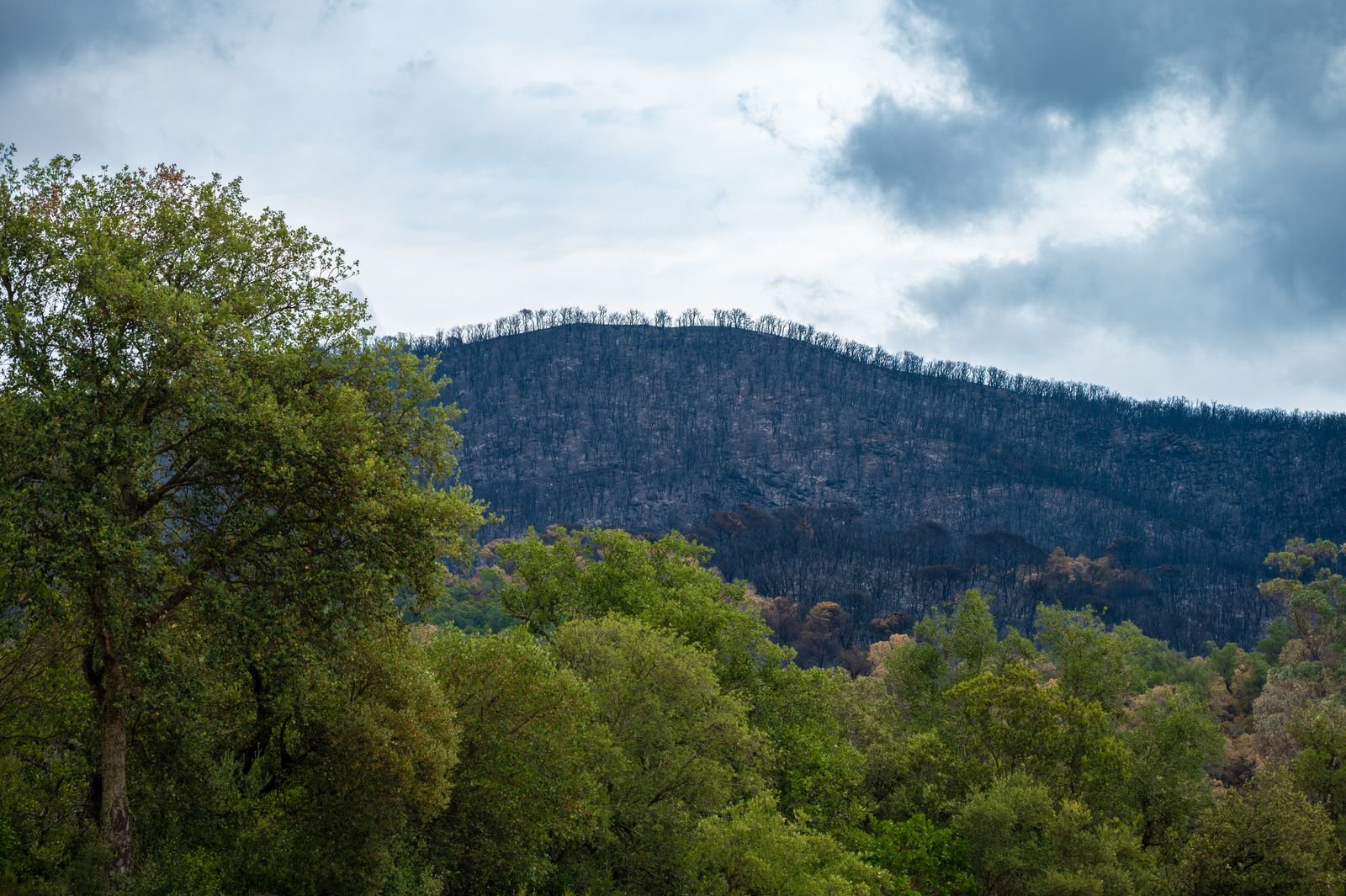
You may qualify if any of these describe you. These are the general guidelines participating law firms use when they review a California wildfire lawsuit claim. For official fire information, see CAL FIRE, California’s fire protection agency.
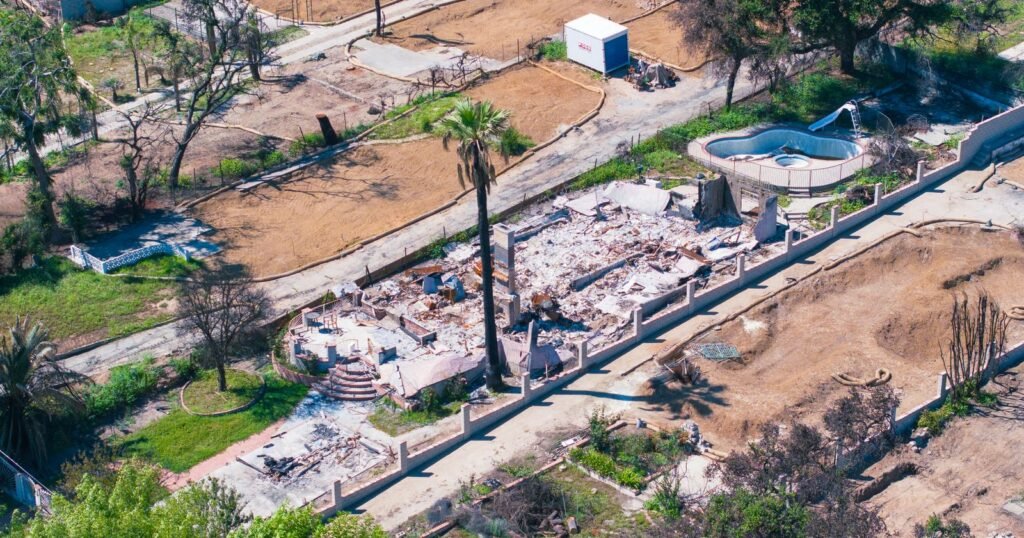
Total loss, partial damage, or damage to a garage, fence, landscaping or outbuilding on your property.
Standing does not mean undamaged. Contamination in insulation, ductwork, drywall and soil is part of this litigation. Many people wrongly assume they have no claim.
Tenants who lost belongings, were displaced or had to break a lease can have claims of their own. Renter claims are in the court’s trial groups.
Burns, smoke inhalation, worsened breathing problems, or the death of a family member. Nineteen people died in the Eaton Fire.
Lost inventory, lost income, or a location you could not reopen. Business interruption claims are part of the litigation.
Insurance rarely covers everything, and it does not pay for what being displaced really costs. A payout does not automatically end your claim.
Not sure your damage is “bad enough” to count?
That is the most common reason people do not call. Smoke and renter claims are exactly the ones people talk themselves out of. A free review takes about two minutes and costs nothing.
Meeting these guidelines does not mean you have a valid claim. It means a participating law firm is likely to review it. That firm decides on its own whether to take your case. Some claims are turned down, and some recover nothing. Direct2Attorney cannot judge the legal merits of your case, give legal advice, or file anything for you.
What stops people, and what is actually true
After a fire, people are exhausted. These four beliefs keep many from asking, and each can cost them.
What holds people back
If the walls survived, people assume there is nothing to claim.
What is true
Smoke, soot and ash claims are part of this litigation and are in the bellwether trial groups the court selected. Contamination can hide in insulation, ductwork, drywall and soil.
What holds people back
Tenants often think lawsuits are for owners.
What is true
Tenants who lost belongings, were displaced or had to break a lease may have claims. Renter claims are included in the court’s trial groups.
What holds people back
A check from the insurer can feel like the end of it.
What is true
It usually does not pay for emotional distress, irreplaceable belongings or the disruption of being displaced. A firm can explain how any recovery would interact with what you were already paid.
What holds people back
The program is fast, so many assume it is the only way.
What is true
Taking a program payment normally means signing a release that gives up your right to sue. About 38% of people filing through the program have an attorney anyway. Have the offer reviewed first.
What happened
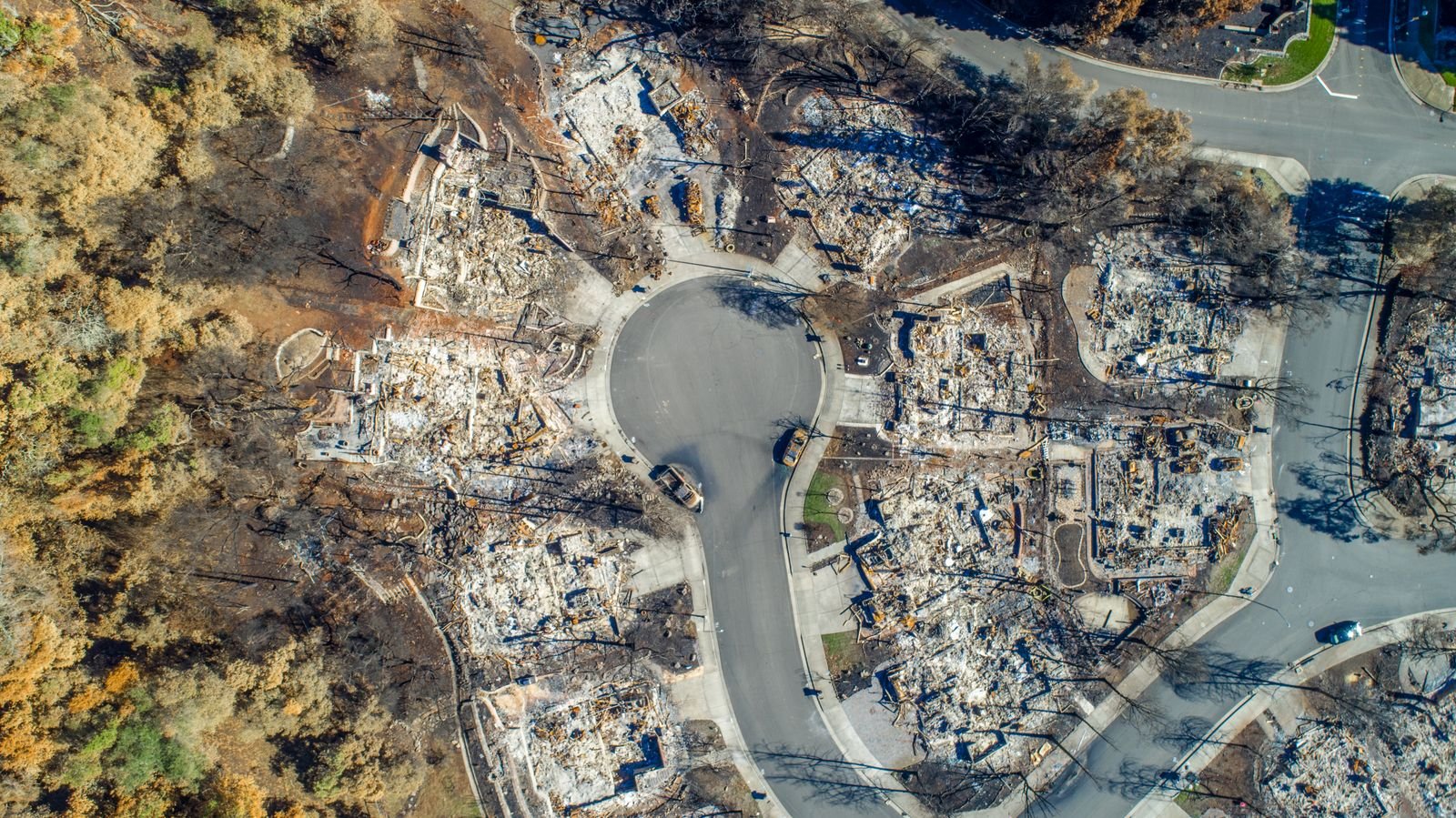
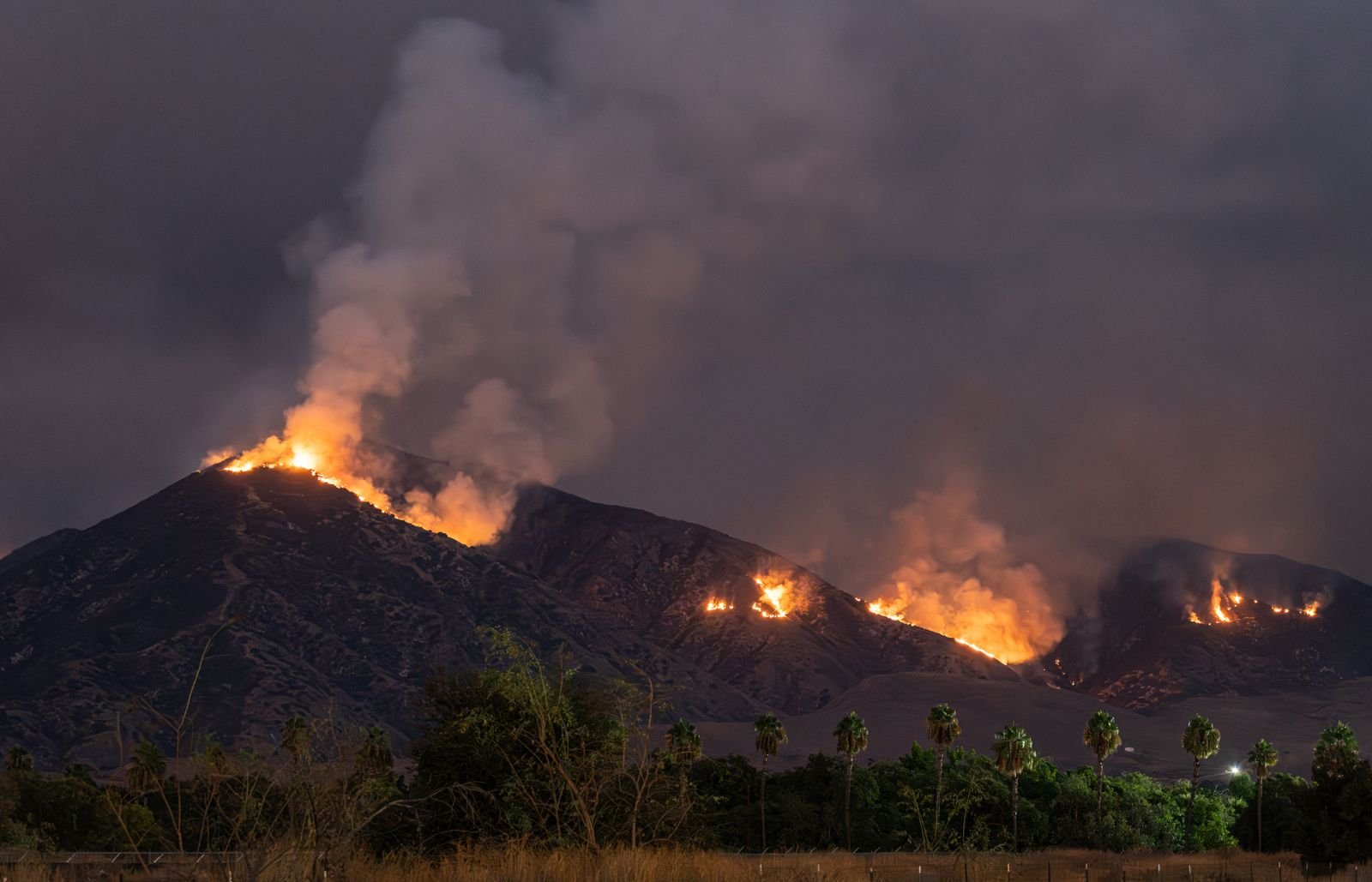
On January 7, 2025, the Eaton Fire started in Eaton Canyon and swept into Altadena, Pasadena and Sierra Madre. It killed 19 people, burned about 14,021 acres and destroyed more than 9,400 structures. The Palisades Fire burned the same month. Together they became the costliest disaster of 2025, with insured losses around $40 billion.
The Eaton Fire lawsuits center on Southern California Edison’s equipment. The National Weather Service had warned of extreme fire conditions. Edison shut off power to its distribution lines under its safety shutoff policy, but left high-voltage transmission lines through Eaton Canyon energized. Edison later reported a fault on one of those lines around the time the fire began.
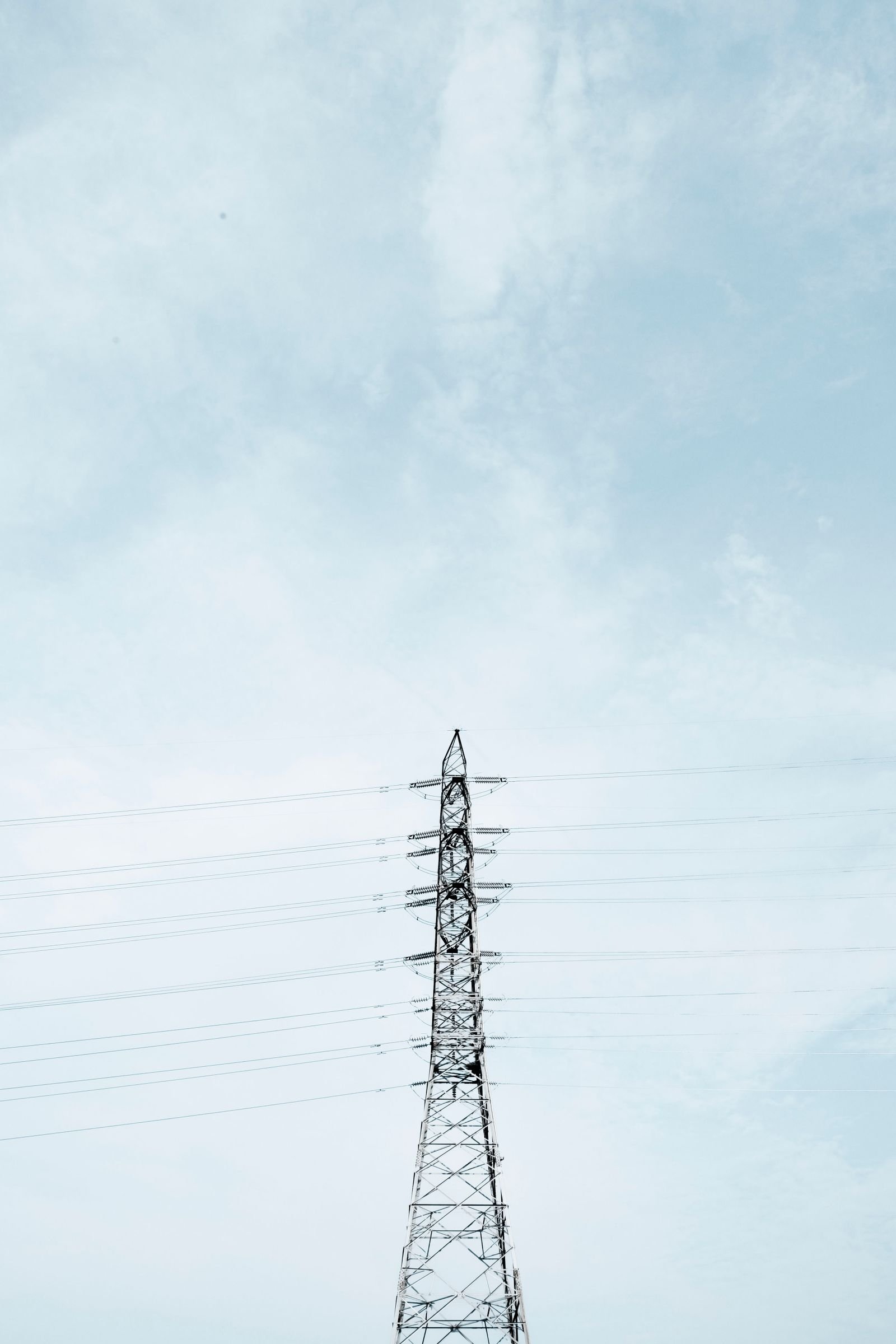
Witnesses, photos and video appear to show flames and electrical arcing at the base of an Edison transmission tower. Joint inspections and CT scans of the removed towers have shown arcing damage. In August 2026, the Los Angeles County Fire Department released a report concluding that electrical arcing from an out-of-service Edison transmission tower caused the fire. Edison said it was reviewing the report. It has not admitted responsibility and is contesting the claims, including by arguing that other parties share the blame.
How the fire is said to have started
Extreme wind warnings
Forecasters warned of dangerous fire weather.
Arcing at a transmission tower
Burning material fell into dry brush below, the county report found.
Wind drove it into town
The fire spread into Altadena, Pasadena and Sierra Madre within hours.
About 2,000 lawsuits representing roughly 30,000 individual plaintiffs are coordinated in Los Angeles Superior Court.
Public bodies have sued Edison over infrastructure and recovery costs.
| Eaton Fire fact | Figure |
|---|---|
| Date it started | January 7, 2025 |
| Communities hit | Altadena, Pasadena and Sierra Madre |
| Lives lost | 19 |
| Area burned | About 14,021 acres |
| Structures destroyed | More than 9,400 |
Company and agency names are used only to identify the parties involved. Direct2Attorney is not affiliated with, endorsed by, or sponsored by Southern California Edison, Edison International, CAL FIRE, the Los Angeles County Fire Department, or any court.
How it happens, in plain words
Most California utility wildfire cases follow a similar pattern. The lawsuits ask whether the utility took reasonable care when the risk was high.
Strong, dry winds and dry brush turn a small spark into a fast fire. Forecasters often warn of these days ahead of time.
Power lines and towers can arc, break or touch vegetation in high wind. A single spark can land in dry brush.
Utilities can shut off power when risk is high. The Eaton Fire claims focus on transmission lines that stayed energized.
Claims often look at how old equipment was, how it was maintained, and whether nearby brush was cleared.
Past California fires followed this path
Utility wildfire litigation also followed the Thomas, Woolsey and Camp fires. Firms that handled those cases know how these claims are built.
Recovery
Recovery takes a long time. These steps protect your health, and the records they create later help show what the fire cost you.
General information only, not medical advice. Check county public health guidance before cleanup.
Your health
A cough, chest tightness or breathing trouble that started after the fire is worth a doctor’s visit. Keep the records.
Ash and debris
Ash from burned homes can carry lead, asbestos and other hazards, especially in older neighborhoods. Check county guidance first.
Your home
A standing home can hold smoke and ash in insulation, ducts and soil. Testing and remediation reports become evidence.
Your losses
Photos from before and after, receipts, appraisals and a room-by-room list of what was lost. Phone photos and old emails help.
Housing
Rent, hotels, moving, storage and travel while displaced can all be part of a claim.
Your mind
Grief, anxiety and trouble sleeping are common after a disaster. The Disaster Distress Helpline is free at 1-800-985-5990.
Quick self-check
If you can say yes to most of these, it is worth asking for a free review.
Did you own, rent or run a business in an area hit by the Eaton Fire or another utility-linked fire?
Was your home, property or business destroyed, damaged, or filled with smoke or ash?
Were you displaced, hurt, or did you lose a loved one?
Have you not yet signed a release with Edison’s compensation program?
Requirements
You do not need any of this ready to start. A firm helps collect it. But every claim is built on these four things.
Where you were
Your address, lease or deed.
What you lost
Photos, inventories, receipts.
A link to the fire
Investigation and expert findings.
Filed in time
Before the California deadline.
Case status
The Eaton Fire cases are coordinated in Los Angeles Superior Court. The first trial is set for January 2027. Firms are still accepting new cases.
Edison’s program: faster money, but read before you sign
Edison’s Wildfire Recovery Compensation Program pays faster. But taking a payment normally means signing a release that gives up your right to sue. About 38% of people filing through the program have an attorney representing them anyway, and a survivors group with about 8,500 members has publicly called the payouts inadequate.
The Eaton Fire
19 people die and more than 9,400 structures are destroyed.
U.S. Department of Justice sues
It joins Los Angeles County, Pasadena and Sierra Madre in suing Edison.
Edison’s program opens
A voluntary compensation program begins taking claims from people affected by the fire.
Over $750 million offered
Edison reported the program had offered more than $750 million. By August, it had received over 4,000 claims and paid more than 2,400 people.
County fire report
The Los Angeles County Fire Department concluded arcing from an out-of-service Edison transmission tower caused the fire. Edison said it was reviewing the report.
Program stops taking claims
November 30, 2026 is the last day to file new claims with Edison’s program.
First trial, and a key deadline
The first trial is set for January 2027, and California’s two-year injury deadline points to about January 7, 2027.
A note on ash and health. Ash and debris from burned homes can carry lead, asbestos and other hazards. If you are cleaning, returning to a standing home, or noticing a cough, chest tightness or breathing trouble that started after the fire, talk to a doctor and check county public health guidance before doing your own cleanup. This page is general information, not medical advice.
Compensation
If a claim succeeds, compensation is meant to cover what the fire actually took, not just the replacement cost on an insurance form.
No one can tell you what your claim is worth before reviewing your losses, and no one can promise you will recover anything at all. Allegations described here have not been proven in court, and Edison disputes them. Past results do not guarantee or predict a similar outcome in any future case. Attorney fees and case costs come out of any recovery.
The process
You have already done enough paperwork. This part is short, and you do not need your documents ready to start.
Which fire, what was damaged, whether anyone was hurt, and whether you have dealt with Edison’s program yet. Free, with no obligation.
If your situation fits, a participating firm looks at it on its own and decides whether to represent you. If it does, you sign directly with the firm.
Photos, insurance files, receipts, property and medical records. Firms work with appraisers and cleanup experts to value what was lost, including damage you may not have counted.
Your case joins the coordinated litigation in Los Angeles Superior Court. Most claims resolve by settlement, not trial. You never have to accept an offer you do not want.
READY WHEN YOU ARE
Step 1 takes about two minutes.
Filing deadlines
These are real dates, not sales pressure. This litigation has hard cut-offs that most other cases do not, and two of them are close.
Edison’s Wildfire Recovery Compensation Program stops accepting new claims.
California generally allows two years for personal injury and wrongful death claims, which points to about this date for the Eaton Fire.
Property damage claims usually get three years. But waiting is its own risk: evidence fades and records get harder to pull.
The Palisades Fire involves a public utility. Claims against public agencies in California follow much shorter rules, and many windows have already closed. Have your situation checked.
The first trial is set for January 2027, so cases prepared now are better placed than cases started at the deadline. Deadlines depend on your own facts, and only an attorney licensed in California can confirm yours. This is general information, not legal advice.
Not sure which deadline applies to you?
Finding out takes about two minutes and costs nothing. If you have an Edison offer, you can have it reviewed before you sign.
The no-fee promise
Participating firms take wildfire cases on contingency. The fee is a percentage of any recovery. If there is no recovery, no attorney fee is owed.
What that covers
What to ask about
Fee arrangements are set by the law firm you sign with, not by Direct2Attorney, and vary between firms.
Why people use us
No upfront fees
The review is free. Participating firms work on contingency, so a fee is owed only out of a recovery. No recovery, no attorney fee.
Wildfire experience
We connect you with firms that handle California utility wildfire cases, the same kind of litigation that followed the Thomas, Woolsey and Camp fires.
Review before you sign
If you have an offer from Edison’s program, you can have it looked at first. Signing a release is hard to undo.
Private and secure
Your information is encrypted and handled according to our Privacy Policy. You are never obligated to move forward.
What Direct2Attorney is
A legal marketing and referral service. We check whether your situation matches what participating law firms are looking for, and connect you with one of them if it does.
What Direct2Attorney is not
We are not a law firm. We cannot give you legal advice, represent you, or file anything on your behalf. Only a law firm you sign with can do that.
Firms are reviewing new Eaton Fire claims
If you lost a home, a business, your belongings or someone you love in the Eaton Fire or another California wildfire, find out where you stand in the California wildfire lawsuit before the deadlines close. Edison’s program stops taking claims on November 30, 2026, and injury deadlines run to about January 2027. The review takes about two minutes and costs nothing.
What happens after you ask
We check your answers
Usually the same business day
A participating firm may call you
At the time you choose
You decide what comes next
No cost and no obligation, ever
Questions
Still have a question? Ask it on the call. The review is free, and there is no obligation.
Start my free review →Participating law firms are generally reviewing claims from people who lost a home, rented a home, owned a business, were injured, or lost a loved one in a wildfire linked to utility equipment. The Eaton Fire of January 2025 is the most active. You do not need to have owned your home, and your house does not need to have burned to the ground for smoke and ash damage to matter.
That is a real decision and it deserves advice before you sign anything. Southern California Edison’s Wildfire Recovery Compensation Program pays faster, but accepting an offer normally means signing a release that gives up your right to sue. Roughly 38% of people in the program are represented by an attorney, and a survivors group with about 8,500 members has publicly called the payouts inadequate. You can have your claim reviewed for free before deciding.
Two dates matter. Edison’s voluntary compensation program stops accepting claims on November 30, 2026. Separately, California generally allows two years for personal injury and wrongful death claims, which points to roughly January 7, 2027 for the Eaton Fire, and three years for property damage, pointing to roughly January 2028. Deadlines depend on your individual facts and only an attorney licensed in California can confirm yours.
Possibly. Smoke, soot and ash damage claims are part of this litigation and are included in the bellwether trial groups the court selected. Homes that were left standing can still hold contamination in insulation, ductwork, drywall and soil. Many people assume they have no claim because the structure survived, and that assumption can cost them.
Often yes. Insurance frequently does not cover the full loss, and it usually does not pay for things like emotional distress, loss of irreplaceable belongings, or the disruption of being displaced. Your insurer may also have its own claim against the utility. A participating law firm can explain how any recovery would interact with what you have already been paid.
Nothing to ask. The case review is free with no obligation. If a participating law firm takes your case, it will normally work on contingency. That means the fee comes out of a recovery, and no fee is owed if there is no recovery.
No. Direct2Attorney is a legal marketing and referral service, not a law firm. An attorney-client relationship may form only after a participating law firm reviews your information and signs a separate representation agreement with you.
In August 2026, the Los Angeles County Fire Department released a report concluding that electrical arcing from an out-of-service Southern California Edison transmission tower caused the Eaton Fire. Edison said it was reviewing the report. Edison has not admitted responsibility and is contesting the lawsuits. A report is evidence, but it is not a court ruling.
Possibly, but the rules are different. The Palisades Fire involves a public utility, and claims against public agencies in California follow a much shorter set of deadlines than claims against a private company like Edison. Many of those windows have already closed. Do not assume either way. Have someone check your specific situation.

Learn more
More lawsuit research and settlement guides from our partner TortAdvisor ↗