In this article (14 sections)
- Why urban wildfire smoke and ash are different
- Who faces the highest health risk
- How to protect your family during cleanup
- LA County resources for smoke and ash
- The hidden costs of a house that didn’t burn
- Signs your home may still be contaminated
- Reading the Air Quality Index During Smoke Events
- Keeping Indoor Air Cleaner
- Wearing a Respirator the Right Way
- Protecting Children From Wildfire Smoke and Ash Health Risks
- Long-Term Health Questions to Raise With Your Doctor
- Common Mistakes That Raise Wildfire Smoke and Ash Health Risks
- Wildfire smoke and ash health risks: frequently asked questions
- How Direct2Attorney can help
Last updated: October 2026
A home that survived a wildfire can still carry real health risks. Ash and soot from burned houses, cars and buildings can contain lead, asbestos and other harmful chemicals. In Altadena, testing even found high lead levels in soil around homes that did not burn. Wildfire smoke and ash health risks also depend on daily air quality and how you protect children indoors, so this guide adds practical steps for both.
This guide covers what health agencies say about wildfire smoke and ash health risks, how to protect your family during cleanup, and how smoke damage fits into insurance and legal claims.
Why urban wildfire smoke and ash are different
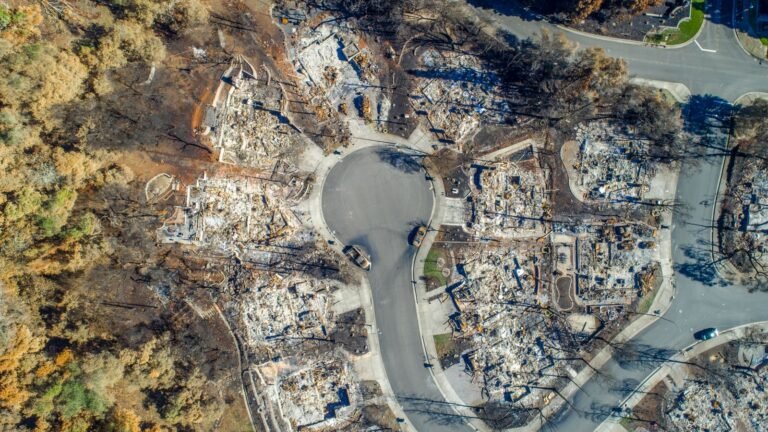
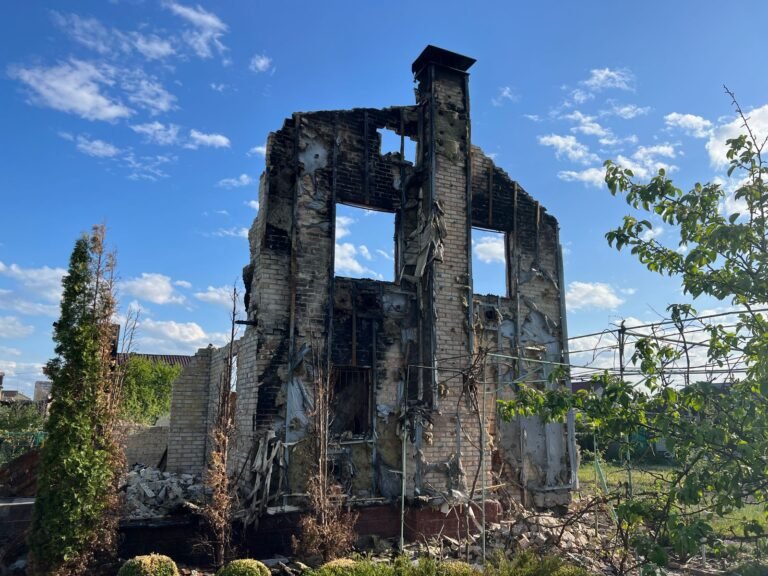
A forest fire burns mostly trees and brush. An urban wildfire like the Eaton or Palisades Fire also burns homes, paint, plastics, cars, batteries and building materials.
The U.S. Environmental Protection Agency (EPA) says ash from burned structures can contain heavy metals, asbestos, mold and cancer-causing chemicals such as PAHs and dioxins. Its ash safety fact sheet also warns about lithium-ion batteries in debris.
Lead in Altadena soil
In April 2025, the LA County Department of Public Health released soil testing results. It found a higher share of samples above health-based lead thresholds in parcels downwind of the Eaton Fire, including at intact homes. The county said the lead likely came from burning older homes with lead-based paint.
Who faces the highest health risk
The Centers for Disease Control and Prevention (CDC) says some people are more affected by wildfire smoke, including:
- Children
- Pregnant people
- People with asthma, COPD, heart disease, diabetes or kidney disease
- Emergency responders and cleanup workers
Common short-term symptoms include coughing, wheezing, trouble breathing, asthma attacks, eye and throat irritation, headaches, chest pain and fatigue. See a doctor if symptoms are severe or don’t go away. Keep records of those visits.
How to protect your family during cleanup
EPA’s guidance is clear: don’t stir ash into the air, and protect your lungs and skin.
Wear the right gear
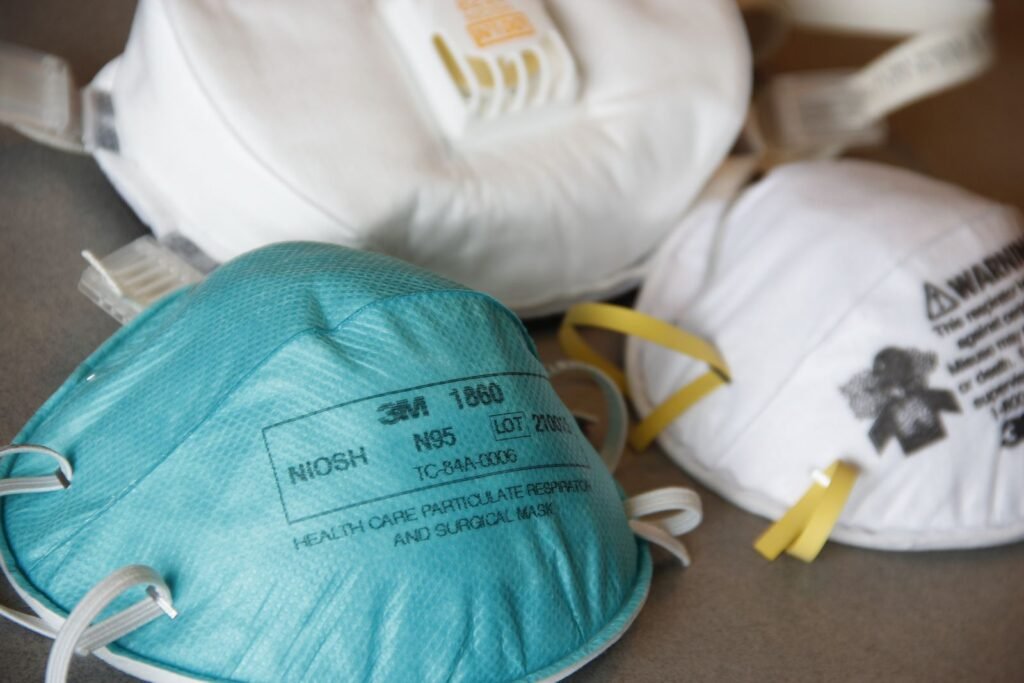
- A NIOSH Approved N95 or P100 respirator with a snug fit. Surgical masks and one-strap dust masks do not protect you.
- Gloves, long sleeves, long pants, socks and closed shoes
- Goggles and a head covering
- Disposable coveralls and shoe covers, if you can get them
Clean the safer way
- Mist surfaces lightly with water before you sweep, then wet mop.
- Use damp cloths for light dust.
- Use a HEPA vacuum if you can.
- Don’t dry sweep, dry dust or use a leaf blower.
- Replace HVAC filters, and run air cleaners with good filters.
Keep kids and pets away
EPA says children should stay away from ash and return only after cleanup. Wash toys and wipe down outdoor play equipment. Keep pets out of ash and rinse it off their fur.
For heavy contamination, damaged HVAC systems or suspected asbestos, hire trained professionals.
LA County resources for smoke and ash
The LA County Department of Public Health keeps a wildfire health page with current guidance. Key resources include:
- Free blood lead testing: call 1-800-LA-4-LEAD (1-800-525-4323) to schedule with Quest Labs.
- Soil test results: the county’s soil testing program moved to USC in August 2026. Results by zip code appear on the county’s post-fire dashboard.
- Health advisory: the county says people living within 250 yards of burned structures face higher exposure risk during cleanup.
- Odor complaints: report ongoing smells to South Coast AQMD at 1-800-CUT-SMOG.
The hidden costs of a house that didn’t burn
Smoke damage can be expensive even when the structure survives. Families may pay for testing, deep cleaning, HVAC replacement, new carpets and furniture, and time away from home.
These claims have been hard. A January 2026 CalMatters report described survivors fighting over smoke damage claims, including disputes with the FAIR Plan. Some said they had paid large sums out of pocket.
Keep track of every smoke-related cost as it happens, including:
- Testing and inspection fees
- Professional cleaning and HVAC work
- Replacing porous items like mattresses, rugs and upholstered furniture
- Hotel stays or rent while the home was unsafe
- Doctor visits, medicine and air purifiers
Smoke damage and Edison’s program
SCE’s compensation program for the Eaton Fire lists non-burn damage from smoke, soot and ash as eligible. It also covers physical injury. The deadline to file is November 30, 2026.
Keep your test results, cleaning bills and medical records. Our guide to wildfire loss documentation explains what to save.
Signs your home may still be contaminated
Smoke and ash can linger long after the air outside clears. Health agencies advise caution when you see signs like these:
- A smoky or chemical smell that returns, especially when the heat or air conditioning runs
- Gray or black film on walls, windows, blinds or light fixtures
- Ash inside cabinets, closets, attics or air ducts
- Soot on fabrics, bedding, rugs or furniture
- Coughing, headaches or eye irritation that get worse at home
These signs don’t prove a health risk on their own. But they are a reason to have the home tested and cleaned by trained professionals before children or at-risk family members spend long hours there.
Keep a health and exposure record
If anyone in your household has symptoms, start a simple log. Write down the date, the symptom, where you were and what you were doing, such as cleaning or sleeping at home.
Save doctor’s notes, prescriptions, inhaler refills and any lead test results. Also keep records of time spent in a hotel or with family because the home was not safe. This record can help your doctor, and it can support an insurance or legal claim.
Ask about testing before you spend on repairs
Testing can show what is in the dust, ash or soil before you pay for new paint or carpet. Keep copies of all lab reports and share them with your insurer. If you are weighing a claim against the utility, save them for a law firm review too.
Reading the Air Quality Index During Smoke Events
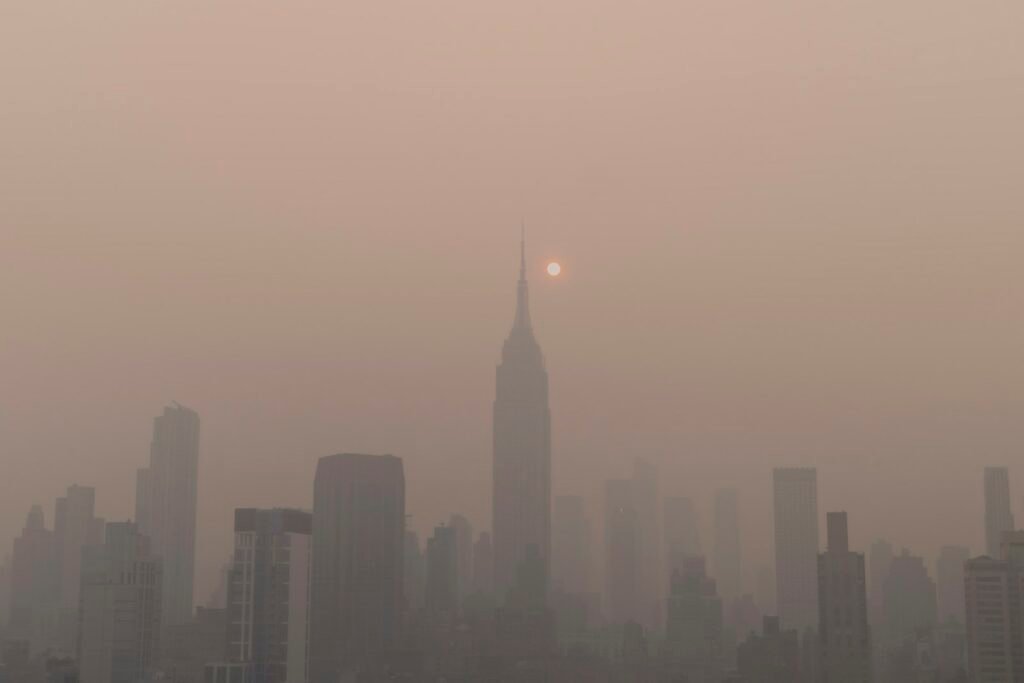
Smoke from fires, cleanup work and wind can change air quality from day to day. Checking the Air Quality Index, or AQI, is a simple way to track wildfire smoke and ash health risks. It helps you decide when to stay inside and when it is safer to go out.
What the AQI colors mean
According to AirNow’s AQI guide, the scale has six levels:
- Green, 0 to 50 (Good): little or no risk from air pollution.
- Yellow, 51 to 100 (Moderate): acceptable, but some unusually sensitive people may be at risk.
- Orange, 101 to 150 (Unhealthy for Sensitive Groups): sensitive groups may have health effects.
- Red, 151 to 200 (Unhealthy): some of the general public may have effects, and sensitive groups may have more serious ones.
- Purple, 201 to 300 (Very Unhealthy): a health alert, with higher risk for everyone.
- Maroon, 301 and higher (Hazardous): emergency conditions that are more likely to affect everyone.
Using the AQI in daily life
- Check the AQI each morning, and again before outdoor plans, using AirNow or South Coast AQMD.
- On orange days, people in sensitive groups, including children, pregnant people and anyone with asthma or heart disease, should limit time outside.
- On red days or worse, many families move activities indoors and keep windows closed.
- Remember that AQI readings are for outdoor air. Ash and dust inside a home, or in your yard and garden, may need separate testing.
Why it matters near burned areas
Wildfire smoke and ash health risks can rise during windy days or heavy debris work nearby. Even when the overall AQI looks fine, stirred-up ash on your street can affect people who are outside for long periods.
Keeping Indoor Air Cleaner
Most people spend much of their time at home. Making the air inside as clean as you can is one of the simplest ways to lower wildfire smoke and ash health risks for your household.
Set up a cleaner room
Pick one room where your family can spend the most time, such as a bedroom. Keep its doors and windows closed when outdoor air is poor.
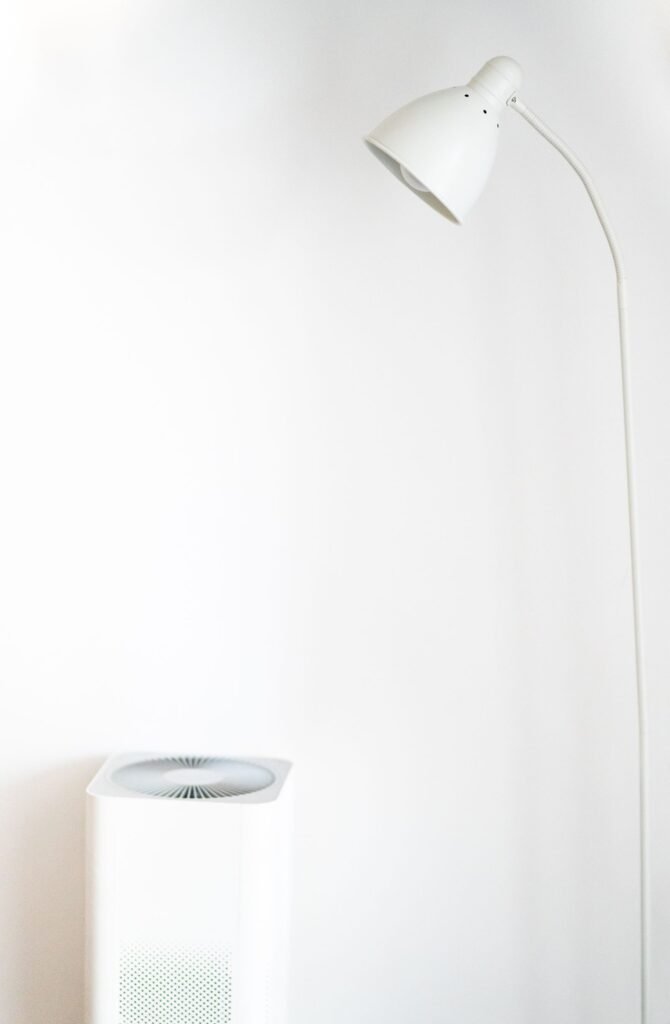
Run a portable air cleaner with a HEPA filter sized for the room, if you have one. A cleaner room gives the people most affected by wildfire smoke and ash health risks a safer place to sleep and rest.
Use your air conditioner wisely
Health guidance for families says to run an air conditioner with the fresh-air intake closed, often called recirculate mode, when smoke is present. Change filters on schedule, and more often if they look gray or dirty.
Avoid adding indoor pollution
- Do not burn candles, incense or wood inside.
- Avoid smoking or vaping indoors.
- Limit frying and broiling, which add particles to the air.
- Skip regular vacuuming that blows dust around, unless the vacuum has a HEPA filter.
Watch for warning signs
If the smoky smell gets stronger when the heat or air conditioning runs, the system may be spreading contamination. Turn it off and ask a trained professional to inspect the ducts.
Wearing a Respirator the Right Way
A respirator only helps if it fits and is worn correctly. Many people wear a good mask the wrong way and get less protection than they think.
Fit and seal
- Choose a NIOSH Approved N95 or P100 respirator with two straps, one above the ears and one below.
- Pinch the metal nose piece so it molds to the bridge of your nose.
- Check the seal by breathing out sharply. If air leaks around the edges, adjust it.
- Facial hair where the mask meets the skin can break the seal.
When to replace it
Replace a disposable respirator when it gets wet, dirty, damaged or hard to breathe through. Do not share respirators between people. Store spares in a clean, dry bag.
Who should check with a doctor first
Wearing a respirator makes breathing take more effort. People with heart or lung disease, and people who are pregnant, may want to ask a doctor before wearing one for long periods. Lowering wildfire smoke and ash health risks should not create new strain on your body.
Protecting Children From Wildfire Smoke and Ash Health Risks
Children are more affected by smoke than most adults, and young kids often play on floors and in yards where ash and dust settle. A fact sheet from the national Pediatric Environmental Health Specialty Units network gives families clear steps.
What the guidance says
The children’s wildfire fact sheet on AirNow notes that children are especially vulnerable because their lungs are still developing. It advises:
- Keep children indoors with doors and windows closed when smoke is present.
- Children 2 and older may get some protection from N95 or surgical masks, but only if the mask fits tightly to the face.
- Children should not be at a cleanup site or do cleanup work.
- Before children return to a burned area, make sure there is safe drinking water, electricity, safe roads and a sound home, and that ash and debris have been removed.
When to get medical help
The same fact sheet says to reduce smoke exposure and seek medical help right away if a child has trouble breathing, is unusually sleepy or refuses food and water. Trust your instincts if something seems wrong.
Everyday habits that help
- Wash hands and faces after outdoor play.
- Wipe shoes before coming inside, or leave them at the door.
- Wash stuffed animals and blankets that may hold dust.
- Ask your child’s school or child care center how it handles smoke days.
Keep a child health record
Write down any coughing, wheezing, rashes or school absences, along with dates. Save pediatric visit notes and any lead test results. These records help your child’s doctor track wildfire smoke and ash health risks over time.
Long-Term Health Questions to Raise With Your Doctor
Short-term symptoms often fade, but many families wonder about lasting wildfire smoke and ash health risks, especially for children and older relatives. Your doctor is the right person to help you sort out what applies to you.
Questions you may want to ask
- Could my cough, headaches or breathing problems be linked to smoke or ash?
- Should I, or my child, have a blood lead test?
- Do I need a lung function test or a change to my asthma plan?
- Are there symptoms that should make me come back sooner?
- How long should I keep avoiding cleanup work or ash-covered areas?
Tell your doctor about your exposure
Share where you live, how close you are to burned homes, whether you did any cleanup work and how long you stayed in a smoky or ash-filled home. Bring your health and exposure log if you have one. Details like these help your doctor judge wildfire smoke and ash health risks for your situation.
Protect your records
Keep copies of every visit summary, test result and prescription. If you later look into an insurance or legal claim, these records can show how smoke and ash affected your health. Deadlines vary by claim type, so it helps to ask early.
Common Mistakes That Raise Wildfire Smoke and Ash Health Risks
Families act fast after a fire, and it is easy to take shortcuts. These common mistakes can raise exposure without anyone noticing.
- Sweeping or using a leaf blower on ash, which sends fine particles back into the air
- Wearing a cloth or surgical mask during heavy cleanup instead of a fitted respirator
- Letting children help with cleanup or play in ash-covered yards
- Bringing ash inside on shoes, clothing and pets
- Running an air system that blows dust from contaminated ducts into the home
- Moving back into a smoke-damaged home before testing and cleaning are done
- Throwing away damaged items before they are photographed for insurance
Avoiding these mistakes is one of the easiest ways to cut wildfire smoke and ash health risks for everyone in your home. If you are unsure whether a task is safe, ask your local health department or a trained cleanup professional first.
Caring for your whole self
Living near burned homes can bring stress, poor sleep and worry about your family’s safety. Those feelings are common after a disaster. The Disaster Distress Helpline at 1-800-985-5990 offers free, confidential support any time.
Wildfire smoke and ash health risks can feel overwhelming, but small steps add up. Checking the air, keeping indoor spaces clean, protecting children and keeping good records can help your family stay safer while recovery continues.
Wildfire smoke and ash health risks: frequently asked questions
Is it safe to live in a smoke-damaged home?
It depends on the contamination. Have the home tested and cleaned properly, especially if children or people with health conditions live there. Follow LA County Public Health guidance.
Can my child get a blood lead test?
Yes. LA County offers free blood lead testing through 1-800-LA-4-LEAD. You can also ask your child’s doctor.
Can I make a claim for smoke damage if my house didn’t burn?
You may. Many insurance policies cover smoke damage, and SCE’s program includes non-burn damage. A participating law firm may review whether you have other options.
Does health harm from smoke count in a wildfire claim?
Personal injury can be part of a wildfire claim. Medical records linking symptoms to the fire help. Deadlines vary by claim type, so ask about yours soon.
Should I throw out smoke-damaged belongings?
Photograph and list them first. Ask your insurer before you throw out items it may want to inspect. Keep receipts if you pay for professional cleaning.
How Direct2Attorney can help
Direct2Attorney is not a law firm. We connect wildfire survivors with participating law firms that handle California wildfire claims. If you share your situation, a firm may review it at no cost and explain your options.
You can start on our California wildfire lawsuit page. There is no obligation, and a review does not commit you to anything.
Direct2Attorney is a legal marketing and referral service, not a law firm. This article is general information, not legal advice. Submitting information does not create an attorney-client relationship.