In this article (13 sections)
- Where the Eaton Fire case stands in October 2026
- Utility wildfire settlements: lessons from the Camp Fire and PG&E
- What Edison’s past wildfire cases show
- Why this time may be different
- What past settlements can and cannot predict
- How the Eaton Fire differs from past cases
- How Utility Wildfire Settlements Usually Work
- Key Terms in Utility Wildfire Settlements
- Direct Offers vs. Waiting: Questions to Weigh
- How to Prepare Before Any Offer or Settlement
- Money Questions Families Often Miss
- Frequently asked questions
- How Direct2Attorney can help
Last updated: October 2026
Past utility wildfire settlements suggest three things about the Eaton Fire: how the utility pays matters as much as how much it owes, insurers will claim a large share, and delays come from money problems more than legal ones. The Camp Fire shows what happens when a utility goes bankrupt. Edison’s own Woolsey Fire cases and the Maui fire settlement show other paths. To make sense of utility wildfire settlements, this guide also walks through how payouts are usually handled, key terms to know and the money questions families often miss.
None of these cases can tell you what any one claim is worth. But they can help Eaton Fire families understand the choices ahead and why timing and terms matter.
Where the Eaton Fire case stands in October 2026
The Eaton Fire started on January 7, 2025, above Altadena. On August 4, 2026, Los Angeles County Fire and CAL FIRE released their joint investigation. It found that electrical arcing on an out-of-service Southern California Edison (SCE) transmission tower started the fire.
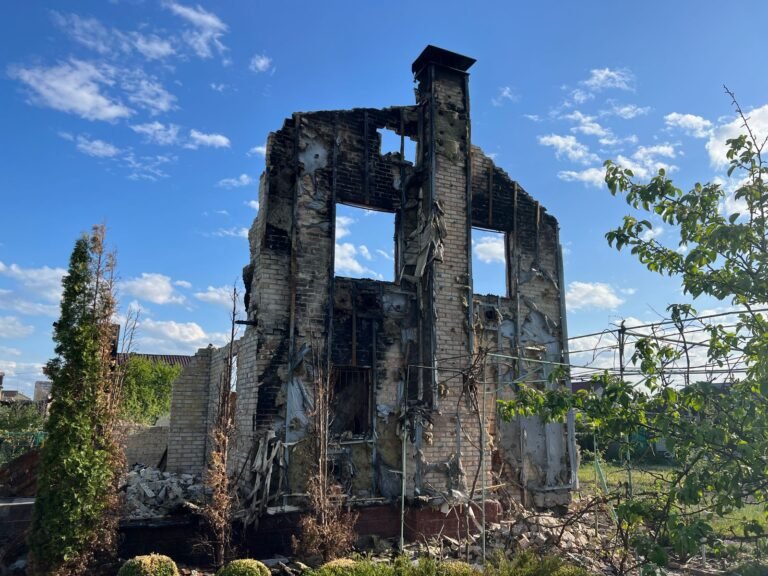
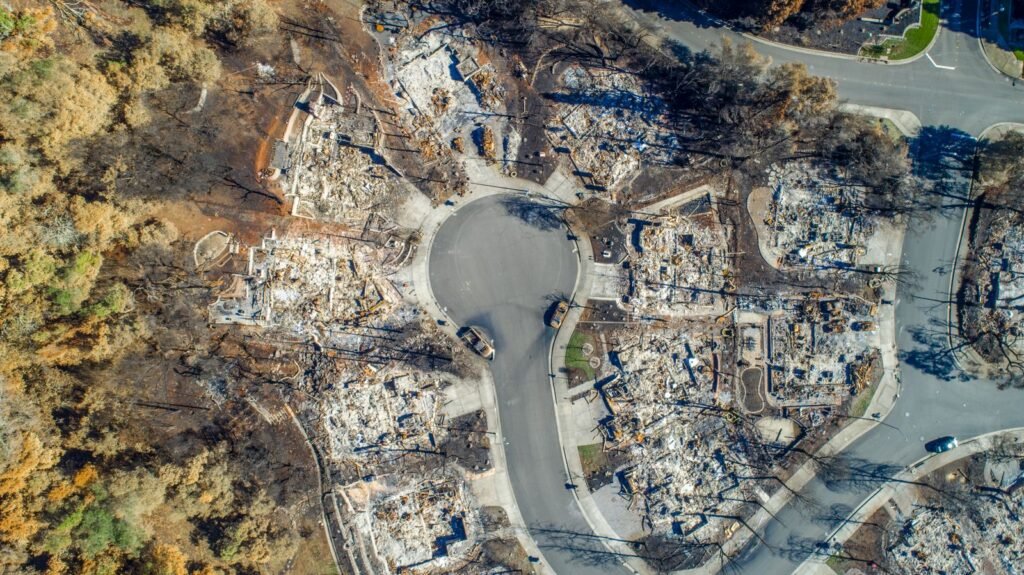
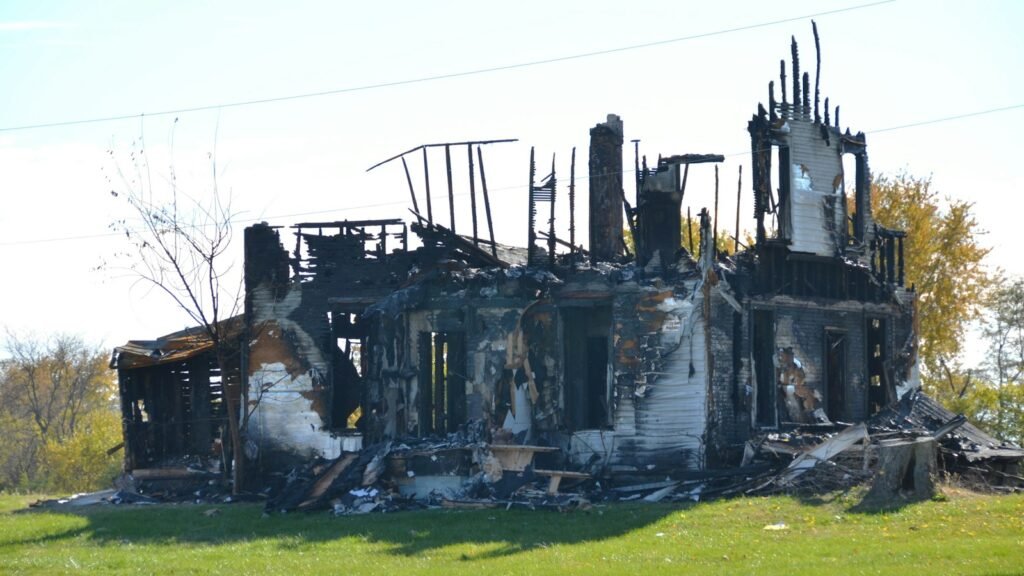
The fire killed 19 people. According to plaintiffs’ liaison counsel, it destroyed more than 9,400 structures and damaged over 1,000 more. The first bellwether trial is set for January 25, 2027, before Los Angeles Superior Court Judge Laura Seigle.
At the same time, SCE is running a voluntary Wildfire Recovery Compensation Program. SCE says it had offered about $830 million and paid about $450 million as of August 19, 2026. The deadline to file is November 30, 2026.
Utility wildfire settlements: lessons from the Camp Fire and PG&E
The 2018 Camp Fire destroyed much of Paradise and killed 85 people. PG&E later pleaded guilty to 84 counts of involuntary manslaughter. Facing huge wildfire claims, PG&E filed for bankruptcy in January 2019.
In bankruptcy, PG&E agreed to pay individual fire victims $13.5 billion through the Fire Victim Trust. The catch was that about half was paid in PG&E stock, not cash. When the stock’s value fell short, so did the trust.
The trust covers the 2015 Butte Fire, the 2017 North Bay fires and the Camp Fire. According to the Fire Victim Trust, its final payment in October 2026 brings total payments to 71.25% of each approved claim. Local reporting puts approved claims near $20 billion, far more than the money available.
What the Camp Fire teaches
- The form of payment matters. Stock and delayed payments shifted risk onto survivors.
- Bankruptcy can cap recovery. Once a plan is approved, claimants usually share a fixed pot.
- Waiting has a cost. Many Camp Fire survivors waited years for partial payments.

What Edison’s past wildfire cases show
This is not SCE’s first major wildfire case. After the 2017 Thomas Fire and 2018 Woolsey Fire, SCE settled rather than going bankrupt.
In January 2021, SCE announced a $2.2 billion settlement with insurance companies over Woolsey Fire claims. It also said it had settled with about 1,000 individual plaintiffs. SCE made no admission of wrongdoing in those deals.
The lesson: when a utility can pay, cases tend to settle in groups over time. Insurers usually settle their own claims separately from homeowners and renters.
Why this time may be different
California changed the rules after PG&E’s bankruptcy. In 2019, lawmakers created a Wildfire Fund of about $21 billion to help utilities pay wildfire claims without collapsing, according to KQED. In September 2025, Governor Newsom signed SB 254, which adds billions more to that fund.
That fund is a key difference from 2019. It is meant to help keep SCE able to pay claims. Still, reporting has raised concern that Eaton Fire costs could use up much of the fund.
The Maui fire offers another model. There, Hawaiian Electric and other defendants agreed to a global settlement of about $4 billion. In February 2025, Hawaii’s Supreme Court ruled that insurers could not sue separately, which cleared the way for payments.
What past settlements can and cannot predict
Past cases can point to patterns, but each fire is different. Here is what history suggests and where it falls short.
Patterns that often repeat
- Claims are grouped by type, such as total loss, smoke damage, injury and wrongful death.
- Bellwether trials shape settlement talks, even when few cases go to trial.
- Insurers seek repayment for what they already paid policyholders.
- Uninsured and underinsured losses are often where disputes focus.
What no past case can tell you
- What your specific claim is worth
- Whether a future offer will be higher or lower than one on the table now
- How a jury will view the evidence in the January 2027 trial
That is why terms and timing deserve a careful look. Read more in our guide on what to check before signing Edison’s offer.
How the Eaton Fire differs from past cases
Several features of the Eaton Fire case have no clear match in the Camp Fire or Woolsey Fire history. Each one could shape how and when survivors get paid.
A direct-pay program running alongside the lawsuits
PG&E victims were paid through a trust set up in bankruptcy. SCE instead opened its own program in October 2025 while lawsuits continued. Survivors can file with SCE, stay in the lawsuits, or both until they sign a release.
That gives families more choices. It also means each family has to decide, on its own timeline, whether an offer’s terms make sense for them.
A fight over shared blame
In January 2026, SCE filed cross-claims against Los Angeles County, Southern California Gas Company and others. SCE argues that evacuation alerts, brush clearance, water supply and gas shutoffs made the harm worse.
In July 2026, Judge Seigle dismissed the broader evacuation-alert theories. She let a narrower vegetation claim against the county move forward. How much blame, if any, shifts to others could affect what SCE pays.
Public agencies are claimants too
Los Angeles County, Pasadena and Sierra Madre have sued SCE for public costs. The U.S. government sued SCE in September 2025 for federal firefighting and recovery costs. Those claims compete for the same pool of money as individual survivors.
Insurers will want their share
In most utility fire cases, insurers pay their policyholders first and then seek repayment from the utility. The Woolsey Fire settlement with insurers shows how large those claims can be. For survivors, this makes uninsured and underinsured losses especially important to document.
How Utility Wildfire Settlements Usually Work
Every fire case is different, but most large utility wildfire settlements follow a similar path. Knowing the steps can make news reports and offer letters easier to understand.
Step by step
- Claims are filed. Survivors, insurers and public agencies file claims or lawsuits against the utility.
- Cases are grouped. Courts often coordinate hundreds or thousands of cases before one judge, as with the Eaton Fire cases in Los Angeles Superior Court.
- Test trials are set. Bellwether trials help both sides see how juries may view the evidence.
- Talks happen in groups. Insurers often settle their claims on one track, while individual survivors and public agencies follow others.
- Terms are set. Utility wildfire settlements usually spell out who qualifies, how money is divided and what rights people give up.
- Claims are reviewed. An administrator or special master often checks each claim against the settlement’s rules.
- Releases are signed. In most utility wildfire settlements, each person who accepts signs a release of claims.
- Payments go out. Payment timing depends on the deal, any appeals and how fast paperwork is completed.
What changes from case to case
The order of these steps can shift. Some utility wildfire settlements come before trial, while others follow early verdicts.
A bankruptcy, like PG&E’s, can change the process entirely. That is why no single pattern can tell you how the Eaton Fire will end.
Key Terms in Utility Wildfire Settlements
Papers tied to utility wildfire settlements use words that are rarely explained. This short glossary covers terms you are likely to see.
- Release: a promise not to sue over the claims covered by the settlement. It is usually the most important part of any agreement.
- Global settlement: one deal meant to resolve many claims at once, like the Maui fire settlement. Some utility wildfire settlements take this form, while others are reached in smaller groups.
- Claims administrator: a neutral company or person who processes claims and sends payments.
- Special master: a person appointed by a court to help with tasks such as reviewing claims or settling disputes.
- Subrogation: an insurer’s right to seek repayment from the party that caused a loss it paid for.
- Underinsured loss: the part of your loss that your insurance does not fully cover.
- Non-economic damages: money for harms like emotional distress or loss of enjoyment of life, as opposed to bills and property.
- Lien: a legal claim by someone else, such as a health plan or lender, to part of a payment.
- Direct claim: a claim filed straight with the utility, outside a lawsuit.
Knowing these terms helps you ask sharper questions about utility wildfire settlements. If a word in your paperwork is not on this list, ask for a plain explanation in writing.
Direct Offers vs. Waiting: Questions to Weigh
Eaton Fire survivors face a choice that Camp Fire survivors did not have in the same way. They can consider SCE’s direct offer now or wait to see how the lawsuits unfold. History from past utility wildfire settlements can inform that choice, but it cannot make it for you.
What SCE says its program includes
According to SCE’s program page, offers can include real and personal property damage, loss of use, business interruption and non-economic damages. SCE also lists a “Direct Claim Premium” available only through the program. It says it adds 20% to net damages toward attorney fees if a claimant has a lawyer.
SCE’s page says that as of October 1, 2026, it had extended more than $1 billion in offers and received more than 12,000 claims. The filing deadline remains November 30, 2026.
Questions families often weigh
- How urgent are your money needs for rent, rebuilding or debt?
- How much of your loss is uninsured or underinsured?
- Does the offer cover every part of your loss, including smoke damage, injury and emotional harm?
- How would you feel if later utility wildfire settlements paid more, or less, than your offer?
- How much risk and delay are you willing to accept by waiting?
Why there is no right answer for everyone
Some families value certainty and speed.
Others are willing to wait for more information, including results from the January 2027 bellwether trial. Both choices can be reasonable. A participating law firm can walk through an offer’s terms so your decision is an informed one.
How to Prepare Before Any Offer or Settlement
You do not need to wait for news about utility wildfire settlements to get ready. The steps below help whether you file with SCE, stay in a lawsuit or simply want to understand your options.
Gather the basics
- Proof that you owned or rented the property, such as a deed, lease or utility bills
- Your full insurance policy and every claim letter or payment record
- A room-by-room inventory of what you lost, with any photos or receipts
- Records of rent, hotel stays, mileage and other costs since the fire
- Medical records for anyone hurt or made sick by smoke or ash
List everyone with a possible claim
In many utility wildfire settlements, each adult in a household may have separate claims for things like personal belongings, injury or emotional distress. Renters and business owners may have claims too.
SCE’s program, for example, says tenants who rented for 30 days or more may be eligible. Make a list of everyone affected so no one is left out.
Write down your own story
Numbers matter, but so does what you lived through. Note how the fire changed your daily life, your health, your work and your children’s schooling. Those details can help a law firm understand losses that bills alone do not show.
Keep one calendar of deadlines
Put SCE’s November 30, 2026 program deadline, your insurance deadlines and any dates a firm gives you in one place. Missing a deadline is one of the most common ways people lose options in utility wildfire settlements.
Money Questions Families Often Miss
Past utility wildfire settlements show that the headline number is only part of the story. What reaches your bank account can depend on several other factors.
Insurance and repayment
Insurers play a large role in utility wildfire settlements. If your insurer paid you, it may seek repayment from the utility through subrogation.
That claim is usually handled separately from yours. Still, ask how any offer treats insurance money you already received, so you do not count the same loss twice or leave a loss out.
Liens on your payment
Health plans or government programs that paid for fire-related medical care may claim part of an injury payment. A mortgage lender may also have rights tied to payments for your home. Ask about possible liens before you sign anything.
Timing of payments
Even after a deal is reached, money may not arrive right away. In past utility wildfire settlements, payments were slowed by paperwork, appeals or, in PG&E’s case, a bankruptcy trust that paid in stages. Ask any firm or program for a realistic payment timeline in writing, and plan your budget with that in mind.
Taxes
Tax rules for wildfire payments have changed in recent years, and the treatment can depend on timing and the type of payment. A tax professional can explain what applies to you. Keep copies of every settlement document for your tax records.
Fees and costs
If you hire a lawyer, the fee agreement should be in writing. Ask how fees and case costs are figured and whether any amount a utility adds toward fees affects what you owe.
Mistakes to avoid
- Signing a release before you understand which claims it covers
- Forgetting household members who may have their own claims
- Missing deadlines. SCE’s program and lawsuit deadlines are different, and lawsuit deadlines vary by claim type.
- Trusting anyone who asks for money up front to speed up a payment
Utility wildfire settlements are complex, and each family’s situation is different. Asking questions early, keeping good records and reading every term can help you protect what matters most as the Eaton Fire case moves forward.
Frequently asked questions
Will the Eaton Fire end up like the Camp Fire?
Not necessarily. PG&E went bankrupt, which capped what victims received. California’s Wildfire Fund was created to lower that risk, and SCE has been paying claims through a direct program.
Did Camp Fire victims get paid in full?
No. The Fire Victim Trust’s final payment brings total payments to 71.25% of approved claims. Part of the gap came from paying victims partly in PG&E stock.
Does the Eaton Fire investigation affect settlements?
It can. The August 2026 report found that SCE equipment started the fire. In California, that finding matters because of a legal rule called inverse condemnation.
Is there a deadline for SCE’s program?
Yes. SCE says claims must be submitted by November 30, 2026. Deadlines to file a lawsuit are different and vary by claim type, so ask a lawyer about your situation.
Why do insurance companies get part of the settlement money?
When an insurer pays your claim, it usually gains the right to seek that money back from the party that caused the loss. This is called subrogation. It is separate from your claim for losses your insurance did not cover.
How Direct2Attorney can help
Direct2Attorney is not a law firm. We connect wildfire survivors with participating law firms that handle California wildfire claims. If you share your situation, a firm may review it at no cost and explain your options.
You can start on our California wildfire lawsuit page. There is no obligation, and a review does not commit you to anything.
Direct2Attorney is a legal marketing and referral service, not a law firm. This article is general information, not legal advice. Submitting information does not create an attorney-client relationship.