
In this article (15 sections)
- Eaton Fire Altadena: the official cause is now confirmed
- Rebuilding is slow and uneven
- Insurance problems haven’t gone away
- SCE’s compensation program deadline
- Lawsuits are moving toward trial
- What Altadena families can do now
- Lead, soil and cleanup are still open questions
- Rebuilding Help at the Altadena One-Stop Permit Center
- A Rebuild Planning Checklist for Eaton Fire Altadena Homeowners
- An Insurance Checkup for Eaton Fire Altadena Homeowners
- Eaton Fire Altadena Key Dates at a Glance
- Options for Eaton Fire Altadena Renters and Families Who Moved Away
- Staying Connected to the Altadena Community
- Frequently asked questions
- How Direct2Attorney can help
Last updated: October 2026
Twenty months after the Eaton Fire, many Altadena families are still out of their homes and juggling insurance, rebuilding and a Southern California Edison (SCE) claim deadline. Investigators have now confirmed the cause. But key dates are coming fast, including SCE’s November 30 claim deadline and the first trial in January 2027. For Eaton Fire Altadena families still deciding how to rebuild or move on, this update also covers permit help, a rebuild checklist and options for renters.
Here is where Eaton Fire recovery stands in Altadena as of October 2026, and what families are still dealing with.
Eaton Fire Altadena: the official cause is now confirmed
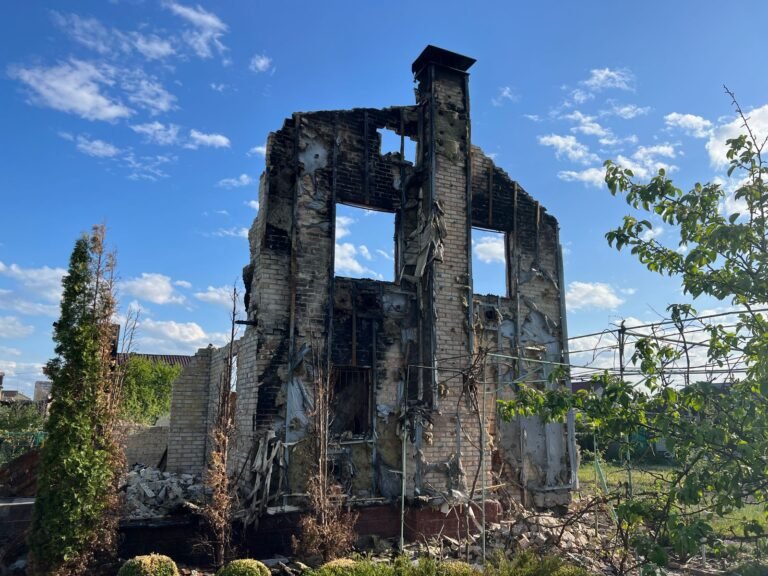
The Eaton Fire began on the night of January 7, 2025. It killed 19 people. According to plaintiffs’ liaison counsel, it destroyed more than 9,400 structures and burned about 14,000 acres.
For 18 months, families waited for an official answer. On August 4, 2026, Los Angeles County Fire and CAL FIRE released their joint investigation. It found that electrical arcing on an out-of-service SCE transmission tower sent hot metal particles into dry brush below.
The reports are partly redacted because the LA County District Attorney’s Office is still reviewing them.
Rebuilding is slow and uneven
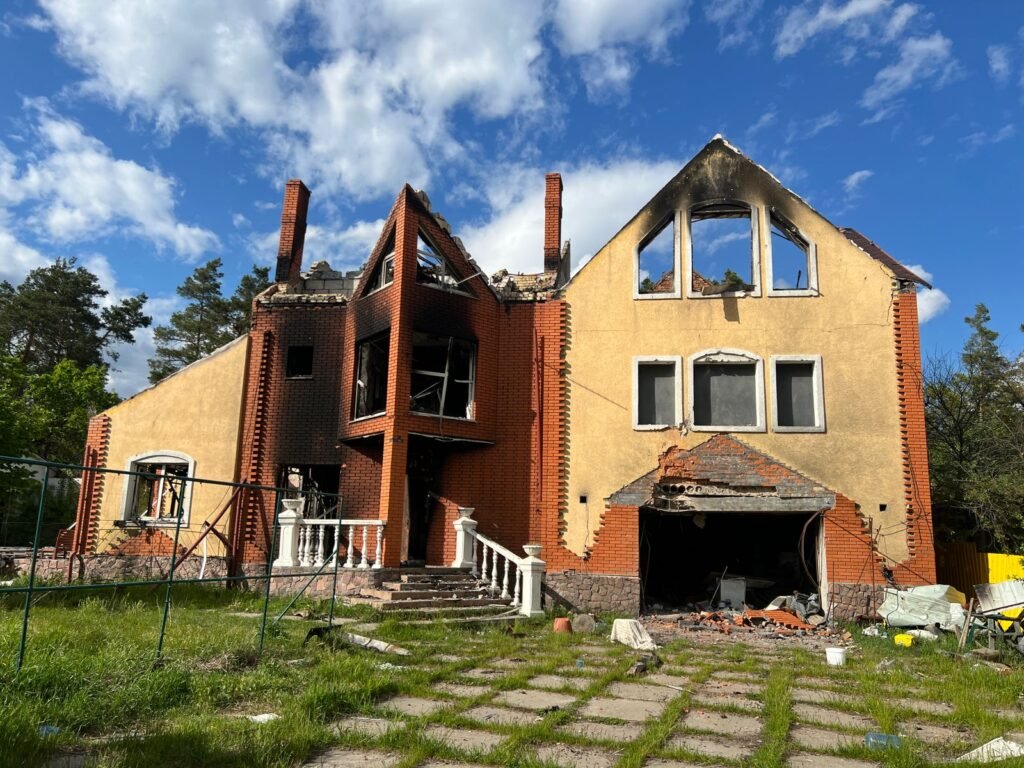
Rebuilding has moved slowly. In September 2025, FOX 11 reported that LA County had received 1,744 rebuild applications from Eaton Fire properties but issued only 282 permits.
LA County has since worked to speed up reviews, but many owners still face high rebuilding costs and insurance limits that may not cover a full rebuild. Survivors describe confusing requirements and delays. Researchers at UCLA found that many of the hardest-hit households, especially Black homeowners, remained in limbo.
Insurance problems haven’t gone away
A January 2026 CalMatters report found that insurance delays were still a big barrier. A survivor survey cited in the report found that 70% had not returned home and 79% faced financial hardship.
ALE clocks are running
Additional living expenses (ALE) pay for temporary housing. California requires at least 24 months of ALE after a declared emergency, with up to 12 more months if delays are beyond your control, according to the Department of Insurance.
For January 2025 fires, the 24-month mark arrives in January 2027. If your rebuild is delayed, ask your insurer about an extension in writing. Keep proof of what is causing the delay, such as permit notices or contractor letters.
Smoke-damaged homes
Families whose homes survived face their own fight. Many have disputed smoke damage claims, and LA County found elevated lead levels in soil downwind of the fire. See our guide to smoke, ash and homes that didn’t burn.
SCE’s compensation program deadline
SCE’s voluntary Wildfire Recovery Compensation Program is open until November 30, 2026. As of August 19, 2026, SCE said it had paid about $450 million to more than 3,000 claimants.
Accepting an offer means signing a release of claims against SCE. Before you sign, have a law firm review the terms. Our page on Edison’s offer lists questions to ask.
Lawsuits are moving toward trial
Thousands of homeowners, renters, businesses and families have sued SCE. Los Angeles County, Pasadena and Sierra Madre have also filed suits over public costs. The U.S. government sued SCE in September 2025 over firefighting and other federal costs.
The first bellwether trial is set for January 25, 2027, before Judge Laura Seigle. Bellwether cases are test trials. Their results often help both sides value similar claims, even for families who never go to court.
SCE has filed cross-claims blaming LA County and others. In July 2026, the judge dismissed broader evacuation-alert theories but let a narrow vegetation claim against the county proceed.
A different path for Palisades families
Across town, Palisades Fire families face a different legal picture. That fire has not been tied to utility equipment. Instead, victims have sued the City of Los Angeles, its water department and the State, and a May 2026 appeals ruling let those cases continue.
What Altadena families can do now
- Mark your deadlines: SCE’s program closes November 30, 2026. Lawsuit deadlines vary by claim type.
- Check your ALE: Know when your coverage ends and request any extension in writing.
- Test for lead: LA County offers free blood lead testing at 1-800-LA-4-LEAD.
- Keep records: Save receipts, letters and photos. Our wildfire loss documentation guide can help.
- Keep your contact details current: Make sure your insurer, SCE and the county have your current address, phone and email so you don’t miss letters.
- Get support: The Disaster Distress Helpline is available at 1-800-985-5990.
Lead, soil and cleanup are still open questions
Families returning to standing homes face a different set of problems. Many want to know whether their soil, yard and home are safe.
What LA County has found and offered
- Lead in soil: In April 2025, LA County Public Health reported elevated lead in soil downwind of the Eaton Fire, including at homes that did not burn.
- Health advisory: The county’s wildfire health page says people living within 250 yards of burned structures face higher exposure risk during cleanup.
- Soil testing: The county’s soil testing program moved to USC in August 2026. Zip code results are posted on the county’s post-fire dashboard.
- Free blood lead testing: Call 1-800-LA-4-LEAD to schedule with Quest Labs.
What remains unclear for many owners
Some residents have been unsure who is responsible for cleaning lead from lots that were not part of debris removal. Residents have also reported confusing requests for soil testing during permitting. LA County has said soil testing is not required on rebuild applications.
If you are unsure what applies to your property, ask the county in writing and keep the response. Test results, cleaning bills and letters can all matter for insurance and utility claims.
The toll of waiting
Long recoveries wear people down. Many families have moved more than once and are managing jobs, school and paperwork from temporary homes. If stress, grief or sleep problems are getting heavier, it is okay to reach out for support.
Rebuilding Help at the Altadena One-Stop Permit Center
Many Eaton Fire Altadena homeowners say permits are the most confusing part of rebuilding. LA County runs a local permit center meant to put several departments under one roof.
Location and hours
According to LA County’s recovery website, the Altadena One-Stop Permit Center is at 464 W. Woodbury Road, Suite 210, in Altadena.
It is open Monday through Friday from 8 a.m. to 4:30 p.m., with the last permit call at 3 p.m. The phone number is (626) 424-6743.
What the center can help with
- Preparing rebuild plans and getting permits and other approvals
- Scheduling inspections and getting a certificate of occupancy
- Answering general rebuilding questions
- On-site help from SoCalGas and SCE planners
- Public Health reviews, such as for wastewater systems
- Job services through the county’s Department of Economic Opportunity
Rebuild consultations
The county lists in-person rebuild consultation appointments on Monday, Wednesday and Friday mornings. Residents of unincorporated county areas can also book a free virtual consultation. Since Altadena is unincorporated, that option is open to many Eaton Fire Altadena property owners.
Before your visit
Bring your parcel number, any letters from the county and your insurance contact. Eaton Fire Altadena owners who are working with an architect or contractor may want to bring them along too. Write down your questions in advance.
Ask for any answer that affects your plans in writing, and keep it with your rebuild file.
A Rebuild Planning Checklist for Eaton Fire Altadena Homeowners
Rebuilding is a long project with many moving parts. This checklist can help Eaton Fire Altadena homeowners stay organized, whether you are just starting or already have plans in progress.
Before design
- Confirm that debris removal on your lot is finished and documented.
- Get a copy of any soil testing results for your parcel or area.
- Review your insurance policy limits for the home, other structures and code upgrades.
- Ask your insurer in writing how much it will pay toward rebuilding and when.
- Decide whether you plan to rebuild the same home, a different design or not at all.
Choosing who builds
- Get more than one bid when you can.
- Check every contractor’s license with the Contractors State License Board before you sign.
- Ask for references from recent fire rebuild projects.
- Get the contract, payment schedule and timeline in writing.
- Never pay large amounts up front for work that has not started.
Keeping costs in view
Rebuilding often costs more than people expect. Track every bid and estimate, and compare them with what your insurance will pay. Any gap may matter for an SCE claim or a lawsuit, so keep those numbers together.
Watch your timelines
Your additional living expenses coverage, rebuild deadlines in your policy and SCE’s November 30, 2026 program deadline may all fall at different times. Put them on one calendar so none of them sneaks up on you.
An Insurance Checkup for Eaton Fire Altadena Homeowners
Many Eaton Fire Altadena homeowners are learning that their policy may not cover a full rebuild. A careful review of your coverage now can help you plan and spot gaps that may matter for other claims.

Coverage terms to look for
- Dwelling coverage: the main limit for rebuilding the home itself.
- Extended replacement cost: extra coverage, if you have it, above the dwelling limit when building costs rise.
- Ordinance or law coverage: help with costs to meet newer building codes.
- Other structures: garages, fences, walls and sheds.
- Contents: your belongings, often paid in stages.
- Additional living expenses: rent and other extra costs while you are displaced.
Questions to ask your insurer
- How much is left under each part of my policy?
- Does my policy include extended replacement cost or code upgrade coverage, and how do I claim it?
- What do you need from me to release rebuilding funds?
- When does my additional living expenses coverage end, and how do I ask for an extension?
Ask for answers in writing. If you need help, the Department of Insurance hotline at 800-927-4357 can explain your rights.
Why gaps matter
If your coverage falls short, the difference is often called an underinsured loss. Those losses are a key part of many Eaton Fire Altadena claims against SCE. Keep bids, estimates and insurer letters together so the gap is easy to show.
Eaton Fire Altadena Key Dates at a Glance
Several important dates are close together. Keeping them in one place can help you plan your next steps.
- November 30, 2026: last day to file with SCE’s Wildfire Recovery Compensation Program
- January 2027: the 24-month mark for minimum additional living expenses coverage after the January 2025 fire
- January 25, 2027: the first bellwether trial in the coordinated Eaton Fire lawsuits
- Varies: lawsuit filing deadlines, which depend on the type of claim
Some of these dates may change, and your policy or claim may have its own deadlines. Check each one with your insurer, SCE or a participating law firm. For Eaton Fire Altadena families, the safest approach is to ask early rather than wait.
Options for Eaton Fire Altadena Renters and Families Who Moved Away
Not every family is rebuilding. Many Eaton Fire Altadena renters lost everything, and some homeowners have decided to sell or move. These families still have choices and rights worth understanding.
Renters
Renters may have lost furniture, clothing, electronics and other belongings, along with the cost of moving and higher rent. SCE’s program page says tenants who rented an eligible property for at least 30 days may file a claim. Keep your lease, rent receipts, renter’s insurance papers and proof of your address in one safe place.
Homeowners who sell or move
Selling a burned lot is a big decision with tax, insurance and legal effects. Before you sign a sale agreement, ask how a sale could affect your insurance benefits and any claim against SCE. A participating law firm and a tax professional can help you think it through.
Families who left the area
Some Eaton Fire Altadena families now live in other cities or states. You can usually still file and follow up by phone or online. SCE lists online, phone and in-person options for its program.
Thinking about coming back later
Some families who moved away hope to return once rebuilding picks up. If that is your plan, keep your property records, tax bills and insurance documents up to date, and stay in touch with neighbors for local news. Eaton Fire Altadena property owners who live elsewhere can still use the county’s virtual consultations to ask about future rebuild plans.
Stay reachable
If you have moved more than once, update your address with your insurer, SCE, the county and the post office. Ask a trusted neighbor or relative to watch for mail at your old address. Missed letters are one of the easiest ways to miss a deadline.
Staying Connected to the Altadena Community
Eaton Fire Altadena recovery is not only about paperwork. Many families say staying connected to neighbors has helped them get through a long and uncertain wait.
Ways to stay involved
- Attend community meetings about rebuilding, schools and local services.
- Join neighborhood groups to share contractor tips and county updates.
- Check LA County’s recovery website for official news and events.
- Support local businesses that are reopening when you can.
- Volunteer with local groups helping neighbors who are older, disabled or still without stable housing.
Looking after your health
The stress of Eaton Fire Altadena recovery can show up as poor sleep, short tempers or trouble focusing. These reactions are common after a disaster. The Disaster Distress Helpline at 1-800-985-5990 offers free, confidential support, and you can call or text 988 if you are in crisis.
Helping children cope
Eaton Fire Altadena kids may miss their old home, school or friends. Keep routines when you can, answer their questions honestly and let them share their feelings. Your child’s school counselor or doctor can suggest local support.
Keeping your records together
Every step of Eaton Fire Altadena recovery creates paperwork, from insurance letters to permit notices. Keep one folder, either paper or digital, with your insurance letters, county notices, SCE documents, receipts and medical records. If you later have a participating law firm review your options, that folder will save time and help it see the full picture.
Looking ahead
Twenty months on, Eaton Fire Altadena families face hard choices about rebuilding, offers and deadlines. Taking one step at a time, asking questions early and keeping good records can help you protect your family’s future.
Frequently asked questions
What caused the Eaton Fire?
A joint LA County Fire and CAL FIRE investigation found that electrical arcing on an out-of-service SCE transmission tower started the fire.
Is it too late to file an Eaton Fire claim?
Not necessarily. SCE’s program accepts claims through November 30, 2026. Lawsuit deadlines depend on the claim, so have a firm review your dates soon.
What if my ALE is about to run out?
California law allows up to 12 more months beyond the 24-month minimum in some cases of delay. Ask your insurer in writing, and call the Department of Insurance at 800-927-4357 if you need help.
Do renters have claims too?
Often, yes. SCE’s program covers tenants, and renters may have claims for lost belongings and relocation costs.
Are the Eaton Fire investigation reports public?
LA County Fire released the reports on August 4, 2026. Parts are redacted because of an ongoing District Attorney review and privacy laws.
How Direct2Attorney can help
Direct2Attorney is not a law firm. We connect wildfire survivors with participating law firms that handle California wildfire claims. If you share your situation, a firm may review it at no cost and explain your options.
You can start on our California wildfire lawsuit page. There is no obligation, and a review does not commit you to anything.
Direct2Attorney is a legal marketing and referral service, not a law firm. This article is general information, not legal advice. Submitting information does not create an attorney-client relationship.