In this article (14 sections)
- Why wildfire loss documentation matters for every claim
- Start with what California law already gives you
- How to rebuild your inventory when everything is gone
- Document the damage and your costs after the fire
- Smoke and ash damage needs its own proof
- Organize your records so you can use them again
- A Room-by-Room Checklist for Wildfire Loss Documentation
- Pricing Items the Right Way
- Wildfire Loss Documentation for Renters, Businesses and Injuries
- Working With Your Adjuster
- What to Do First: A Simple Timeline
- Free Tools That Can Help
- Frequently asked questions
- How Direct2Attorney can help
Last updated: October 2026
When a wildfire destroys everything, you can still prove what you lost. You rebuild the record from outside sources: bank and card statements, online order history, photos on your phone and in friends’ social media, and a room-by-room memory list. California law also gives total-loss policyholders some relief from detailed inventories. Good wildfire loss documentation also means pricing items correctly and remembering the categories people often miss, which the checklists below cover in detail.
This guide walks through wildfire loss documentation for insurance claims, the Southern California Edison (SCE) compensation program and any legal claim you may have.
Why wildfire loss documentation matters for every claim
Most Eaton Fire and Palisades Fire survivors are dealing with more than one claim at once. Each one asks you to show what you lost.
- Your insurance claim for the dwelling, contents and additional living expenses (ALE)
- SCE’s Wildfire Recovery Compensation Program, for Eaton Fire losses. SCE says you should gather supporting documents before you submit.
- A lawsuit, if you and a law firm decide to file one
Good records help in all three. The same inventory, receipts and photos can often be reused, which saves you from starting over.
Start with what California law already gives you
You may not need a full inventory right away. The California Department of Insurance (CDI) has explained several protections for wildfire survivors.
Contents payments without an itemized list
Under a 2025 CDI bulletin, insurers must offer an advance on contents coverage without an itemized claim after a declared emergency. For total losses starting in 2026, SB 495 raises that to 60% of contents limits, up to $350,000. It also gives policyholders at least 100 days before a detailed inventory can be required.
You can still file a full inventory later to claim more, up to your policy limits.
Time protections
- ALE for at least 24 months after a declared emergency, with up to 12 more months in some cases of delay
- At least 36 months to collect full replacement cost on the home
- The right to rebuild in another location
- A free, complete copy of your policy within 30 days of asking, according to CDI

How to rebuild your inventory when everything is gone
Work in short sessions. This task is emotional, and it is fine to take breaks or ask a family member to help. Keep a running list on your phone so you can add items whenever a memory comes back.
Go room by room from memory
Picture each room and write down what was there. Start with big items, then open each drawer and closet in your mind. Include the garage, yard, sheds and vehicles.
Pull digital records
- Bank and credit card statements going back several years
- Online order history from retailers and marketplaces
- Email receipts (search your inbox for “order,” “receipt” or “confirmation”)
- Warranty and registration records for appliances and electronics
- Streaming or app accounts that show devices you owned
Find photos and video
Look through your phone’s photo library and cloud backups. Ask friends and relatives for photos taken at your home, such as holidays or birthdays. Zoom in on the background to spot furniture, art and electronics.
Check other paper trails
Appraisals for jewelry or art, home-improvement permits, contractor invoices and past insurance claims can all help. So can a real estate listing if you bought the home recently.
Document the damage and your costs after the fire
Proof of loss does not stop at your belongings. Keep records of what the fire costs you from here on.
- Photos and video of the property as it looks now, taken safely and only after officials allow access
- Every receipt for temporary housing, meals, mileage and replacement items
- Lost income records, such as pay stubs or business records, if the fire kept you from working
- Medical records if you or a family member were hurt or got sick from smoke
CDI recommends keeping a claim diary. Write down the date, name and summary of each call with your insurer or adjuster. Ask them to point to the policy language when they deny or limit something.
Smoke and ash damage needs its own proof
If your home is standing but damaged, documentation looks different. Take photos of soot on walls, ash in vents and stains on fabrics. Keep any lab testing results, as well as cleaning and repair estimates.
Smoke claims have caused many disputes after the LA fires, CalMatters reports. For more on the health side, see our guide to smoke, ash and homes that didn’t burn.
Organize your records so you can use them again
You will likely share the same proof with more than one company or firm. A simple system now saves hours later and helps you avoid gaps.
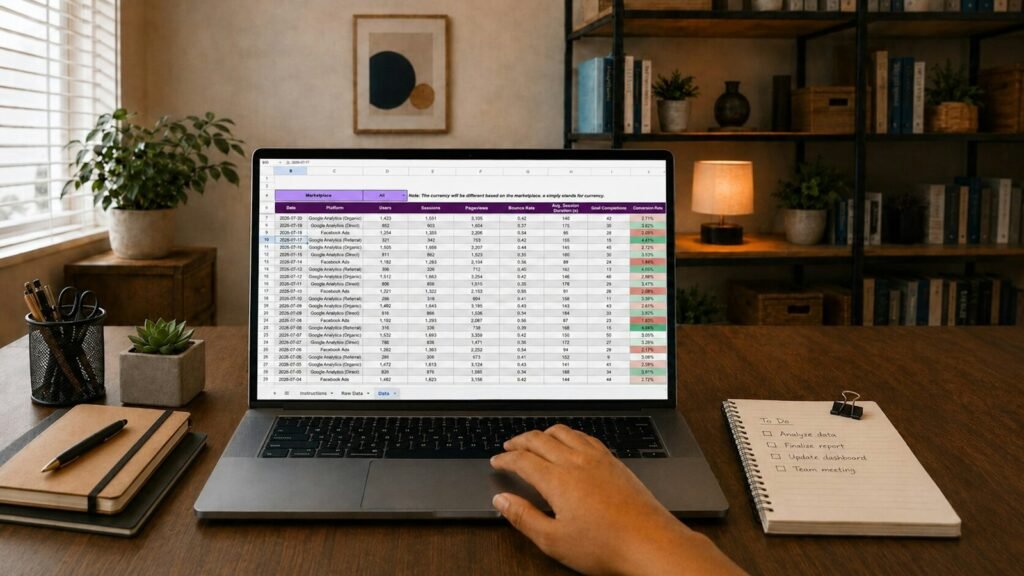
Build one master inventory
Use a spreadsheet or a notebook with the same columns for every item:
- Room or location
- Item and description (brand, model, size, color)
- About when you bought it and where
- Estimated cost to replace it today
- Proof you have (photo, statement, email, memory only)
A master list lets you give your insurer, SCE’s program or a law firm the same information. It also makes it easier to add items as you remember them.
Keep copies of everything you send
Save a copy of every form, letter and email you send or receive. Note the date you sent it and how, such as email, upload or mail. If a company asks for the same document twice, you can show when you sent it.
Back up your files
Store scans and photos in at least two places, such as a cloud account and a USB drive. Name files clearly, like “Kitchen – photo from 2023 birthday.”
Common mistakes to avoid
- Throwing out damaged items before they are photographed
- Guessing too low on replacement costs because you remember the old price
- Forgetting categories like clothing, tools, food, books and holiday items
- Signing forms you don’t understand. Ask for time to review.
A Room-by-Room Checklist for Wildfire Loss Documentation
Memory lists often miss whole groups of items. Walking through this wildfire loss documentation checklist can help you catch things that are easy to forget. Add each item to your master inventory as you go.
Kitchen and dining
- Small appliances, such as mixers, coffee makers, toasters and air fryers
- Pots, pans, knives, dishes, glasses and serving pieces
- Pantry food, spices, cleaning supplies and paper goods
- Table linens, placemats and holiday dishes
Bedrooms and closets
- Mattresses, bed frames, pillows, sheets and blankets
- Clothing by person, including coats, shoes, belts, bags and uniforms
- Jewelry, watches and accessories
- Children’s toys, books, games and school supplies
Living areas and home office
- Furniture, rugs, lamps, curtains and wall art
- TVs, speakers, game systems, computers, printers and phones
- Books, records, musical instruments and hobby supplies
- Important papers and the cost of replacing them
Bathrooms and laundry
- Towels, bath mats and shower curtains
- Toiletries, hair tools and medicine
- Washer, dryer, iron and storage bins
Garage, yard and outside
- Tools, ladders, lawn equipment and workbenches
- Bikes, sports gear, camping gear and pool supplies
- Patio furniture, grills, planters and outdoor lighting
- Trees, plants, fences and sheds, which may be covered under different parts of a policy
Items people often forget
Holiday decorations, food in freezers, gift cards, sentimental items, pet supplies and items stored for relatives are common gaps. Even small things matter. Thorough wildfire loss documentation can add up to a much larger total than people first expect.
Pricing Items the Right Way
Listing what you lost is only half the job of wildfire loss documentation. Each item also needs a fair price, and the way insurers value items can affect how much you are paid.
Replacement cost and actual cash value
Many homeowner policies talk about two values. Replacement cost is what it would cost to buy a similar new item today. Actual cash value is usually replacement cost minus wear and age, often called depreciation.
Some policies pay actual cash value first and the rest after you replace items. Read your policy, or ask your insurer to explain in writing how your contents will be valued.
How to find today’s price
- Search online stores for the same or a similar item, and save a screenshot showing the date and price.
- Use the brand and model when you know them. If you do not, describe size, material and quality.
- Price items at what they cost now, not what you paid years ago.
- Ask for help from a family member who remembers what you owned and its quality.
Keep your pricing notes
Save your screenshots and links in a folder that matches your master inventory, using the same item numbers as your wildfire loss documentation list. Clear pricing notes make wildfire loss documentation easier to defend if an adjuster questions a value. They also help when you share the same list with SCE’s program or a law firm.
Wildfire Loss Documentation for Renters, Businesses and Injuries
Homeowners are not the only ones who need records. Renters, business owners and people who were hurt each need their own kind of wildfire loss documentation.
Renters
Renters often lose everything inside a home they did not own. Your renter’s policy, if you had one, may cover belongings and extra living costs. Keep your lease, rent receipts and proof of your address.
SCE’s program page says tenants who rented for at least 30 days may be eligible. It lists proof of tenancy, ID, insurance information and utility bills among the documents claimants should provide.
Business owners
- Tax returns and profit and loss statements from before the fire
- Payroll records and lists of inventory and equipment
- Lease or ownership papers for your business space
- Records of lost sales, canceled contracts and extra costs to keep running
Business losses can be complex, so many owners ask an accountant to help organize their wildfire loss documentation. Keep business records separate from your household inventory so each claim stays clear.
Injury and health claims
If someone in your home was hurt or became sick from smoke or ash, keep every medical record as part of your wildfire loss documentation. Include urgent care and ER visits, prescriptions, inhalers and follow-up appointments. Write down the dates of symptoms, too.
Families who lost a loved one
If the fire took someone you love, gathering records can feel impossible. Ask a trusted relative or friend to help, and take as much time as you need. A participating law firm can explain which documents may be needed and when.
Working With Your Adjuster
Your insurance adjuster will review your wildfire loss documentation and decide how much to pay under your policy. A clear, polite and organized approach can help that process go more smoothly.
Share records in a way you can track
- Send documents by email or through your insurer’s online portal so you have a dated record.
- Give each file a clear name that matches your master inventory.
- Send large inventories in sections, such as one room at a time, and note what you sent and when.
- Ask the adjuster to confirm in writing when they receive each batch.
When the adjuster has questions
Adjusters may ask how you know you owned an item or how you chose a price. Point to the proof in your files, such as a photo, statement or screenshot. If you have only your memory, say so honestly and describe the item in as much detail as you can.
If you disagree
Ask the adjuster to explain any denial or low value in writing and to point to the policy language behind it. Keep a record of each call in your claim diary. You can also contact the Department of Insurance hotline for help, and a participating law firm may review your wildfire loss documentation if you are weighing a claim against the utility.
If your adjuster changes
Large disasters often bring adjuster turnover. When a new adjuster is assigned, send a short summary of where things stand, with a list of what you have already provided. That keeps your file from starting over.
What to Do First: A Simple Timeline
It can be hard to know where to begin. This order of steps works for many families, though you can adjust it to your situation.
- In the first weeks, request your full policy, start a claim diary and save every receipt for living costs.
- Next, ask about any contents advance your insurer must offer, and start a rough memory list room by room.
- Over the following months, pull bank records, order histories and photos, and turn your memory list into a priced master inventory.
- Before any deadline, check your insurance dates, SCE’s November 30, 2026 program deadline and any dates a law firm gives you.
- Keep updating your list as you remember more items, and send updates to your insurer in writing.
Starting wildfire loss documentation early helps, but it is never too late to add items or fix mistakes. Ask your insurer how to submit an updated list, and always note what changed and why.
Free Tools That Can Help
You do not have to build your records from scratch without support. Several free resources can give you a structure to follow.
IRS Publication 584
The IRS describes Publication 584 as a workbook to help you figure your loss on personal-use property after a disaster. It includes worksheets for your home, household contents and vehicles, room by room. Even if you never use it for taxes, it can serve as a handy template for wildfire loss documentation.
Your phone and email
For wildfire loss documentation, your phone may be your most useful tool. Its photo search can often find pictures by keyword, such as “kitchen” or “couch.” Email search can find old receipts in seconds. Spend a few minutes each day searching new terms as items come to mind.
Your bank and card companies
Many banks let you download several years of statements at once, which can fill big gaps in wildfire loss documentation. Ask whether older statements are available by request. Card companies can also send lists of large purchases.
Free claim help
The California Department of Insurance hotline, listed earlier, can answer questions about your rights. Nonprofit United Policyholders has also held free contents claim workshops for LA fire survivors. Local recovery centers can point you to other help.
Keep going, one step at a time
Building wildfire loss documentation after a total loss is slow, tiring work. It is fine to do a little each day and to ask for help.
Many families share the work of wildfire loss documentation, with one person on photos and another on bank records. Every item you add to your list brings you closer to a fair result for your family.
Frequently asked questions
Do I need receipts for everything I lost?
No. Most people don’t have receipts for everything. Statements, photos, order histories and a careful memory list can all support a claim.
Will my insurer accept my own inventory format?
Ask your insurer in writing. CDI’s rules focus on payments that don’t require an itemized list at first. A spreadsheet with item, room, age and estimated cost is a common format.
Can the same documents support an SCE claim or lawsuit?
Often, yes. Keep copies of everything you give your insurer. A participating law firm may use the same records if you pursue a claim against the utility.
Where can I get free help with my insurance claim?
Call CDI’s consumer hotline at 800-927-4357. Its wildfire resources page also lists guides and local assistance centers.
What if I can’t remember everything I owned?
That is normal after a total loss. Start with what you remember, then add to it as photos and records turn up. Many people keep adding items for months.
How Direct2Attorney can help
Direct2Attorney is not a law firm. We connect wildfire survivors with participating law firms that handle California wildfire claims. If you share your situation, a firm may review it at no cost and explain your options.
You can start on our California wildfire lawsuit page. There is no obligation, and a review does not commit you to anything.
Direct2Attorney is a legal marketing and referral service, not a law firm. This article is general information, not legal advice. Submitting information does not create an attorney-client relationship.