Direct2Attorney is a legal marketing & referral service, not a law firm and not a substitute for legal advice.
Eligibility
You may qualify if any of these describe you. These are the guidelines participating law firms use when they review a Cartiva claim. For official background, see the FDA’s medical device recall database.
Placed for arthritis at the base of the big toe. If you are not sure of the brand, that is normal. It is in your surgical records and we can help you find it.
The recall covers every model and size sold from July 2016 through October 2024. If your surgery falls in that window, your device was included.
The implant was supposed to end the pain and keep the joint moving. Continued or returning pain and stiffness is the most common complaint.
Sinking into the bone is called subsidence and it is the leading reported problem. Loosening, displacement and fragmentation also count.
Removal, replacement, or a fusion of the joint. A fusion is especially significant, because avoiding one is usually why people chose this implant.
You do not have to have had revision surgery already. If you are living with pain or a doctor has recommended another operation, your situation can still be reviewed.
Do not know what brand of implant you got?
Hardly anybody does. It is written in your operative report and the surgery center’s implant log, and a firm can pull those records for you. Not knowing is not a reason to skip the review.
Meeting these guidelines does not mean you have a valid claim. It means a participating law firm is likely to review it. That firm decides on its own whether to take your case. Some claims are turned down, and some recover nothing. Direct2Attorney cannot judge the legal merits of your case, give legal advice, or file anything for you.
Common worries
These are the reasons people give for not asking, and what is actually true.
What holds people back
People assume only revision cases count.
What is true
A revision or fusion makes a claim stronger, but people still living with pain, stiffness or a bad scan can have their situation looked at.
What holds people back
Nobody remembers the brand.
What is true
The device name is in your operative report and the implant log. A firm can request them once you sign an authorization.
What holds people back
The docket looks small.
What is true
The recall covers eight years of implants and every size sold. Being early means records are easier to get and deadlines have not started running out.
What holds people back
Online ads make it sound simple.
What is true
Some people did well with this device. What matters is whether yours failed and what it cost you.
Educational
Arthritis at the base of the big toe wears away the cartilage until bone grinds on bone. It hurts to push off, to walk uphill, to wear ordinary shoes. For a long time the standard fix was fusion, joining the two bones so the joint cannot move at all. It reliably stops the pain, but the joint is gone for good.
The Cartiva Synthetic Cartilage Implant was sold as the alternative. Approved by the FDA in 2016, it is a small hydrogel plug, about the size of a pencil eraser, pressed into the end of the bone to act like cartilage. The promise was pain relief without giving up the joint. That promise is exactly why most patients chose it.
Lawsuits allege the device did not hold up. The central claim is subsidence, the plug sinking down into the bone. When it sinks, the joint loses its cushion and height, and the pain and stiffness come back. Other claims involve the implant loosening, shifting out of place, or breaking apart.
The lawsuits allege that Cartiva, Wright Medical and Stryker knew failure rates were far higher than what doctors and patients were told, and kept selling the device anyway.
How the failure is said to happen
The plug sinks
It sinks down into the bone. This is called subsidence.
The joint loses its cushion
Height and padding are lost, and bone can grind again.
Pain returns
Many patients end up with the fusion they were trying to avoid.
In October 2024 Stryker recalled the Cartiva Synthetic Cartilage Implant. The FDA posted a Class II recall in December 2024.
| Term | What it means in plain words |
|---|---|
| Subsidence | The implant sinks down into the bone |
| Displacement | The implant moves out of position |
| Fragmentation | The implant breaks into pieces |
| Revision | A second surgery to fix, remove or replace the implant |
| Fusion | Joining the two bones so the joint no longer moves |
| Class II recall | The FDA considers the problem capable of causing temporary or reversible harm, with a remote chance of serious harm |
A Class II recall does not mean every implant will fail. Product and company names are used here only to identify the products and parties at issue. Direct2Attorney is not affiliated with, endorsed by, or sponsored by Cartiva, Inc., Wright Medical Group, Stryker Corporation, the FDA, or any court.
The medical side, in plain words
Your big toe joint carries a lot of force every time you take a step. The lawsuits focus on these ways the Cartiva implant is said to have failed.
Subsidence is the leading reported problem. The joint loses height and cushioning.
The plug can come loose or move out of place, called displacement.
Fragmentation means the plug breaks into pieces inside the joint.
Nerve damage was among the problems listed in the recall.
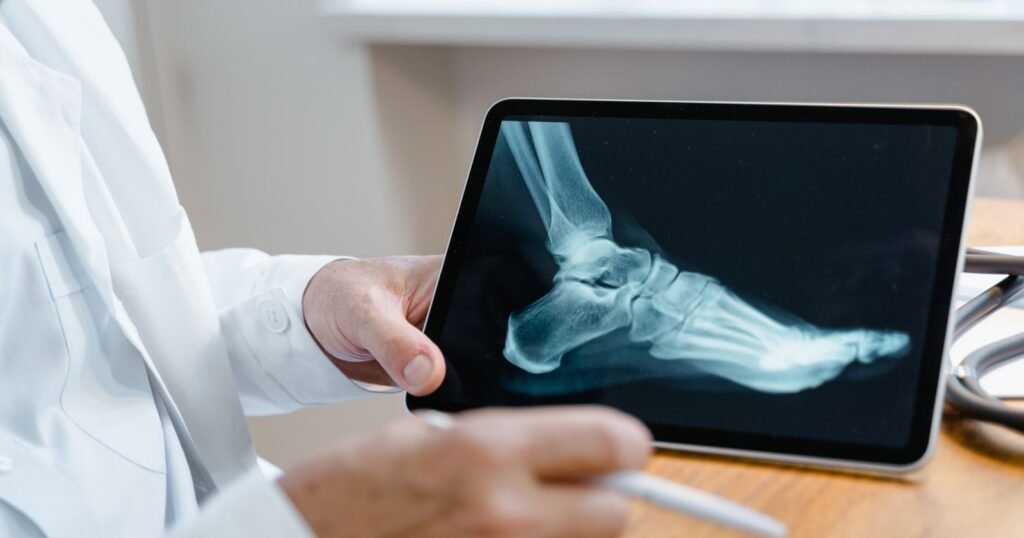
A scan often tells the story
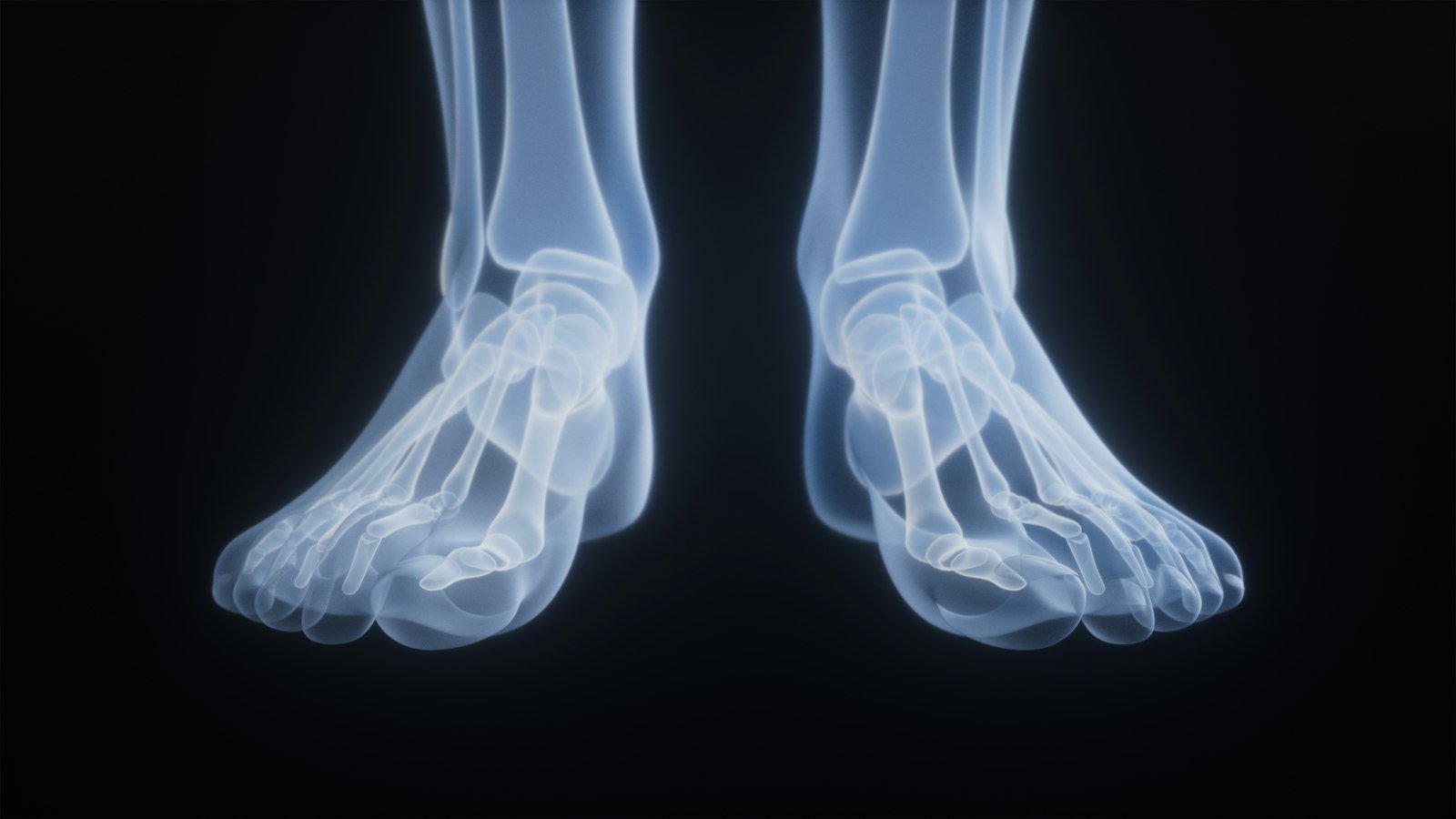
X-rays or other imaging can show the implant has sunk or moved. If your doctor mentioned subsidence, that is a key detail for a review.
Treatment
Treatment depends on how badly the implant has failed. Each step also leaves records, and those records later show what the failure cost you.
General information only. If you have pain, see your foot and ankle surgeon. This page is not medical advice.
Finding the problem
X-rays or other scans check whether the implant has sunk, moved or broken.
First steps
Stiff-soled shoes, custom inserts or braces can take pressure off the joint.
Pain relief
Some patients get injections or pain medicine to manage symptoms.
Surgery
The implant may be taken out and the joint repaired.
Surgery
Joining the bones stops the pain but ends motion in the joint for good.
Afterwards
Rehab helps you walk, balance and get back to work after surgery.
Quick self-check
If you can say yes to most of these, it is worth asking for a free review.
Did you have a big toe joint implant for arthritis between 2016 and 2024?
Did the pain or stiffness come back, or never go away?
Did a scan show the implant sank, moved or broke?
Have you had, or been told you need, another surgery on that toe?
Requirements
You do not need any of this to start. A firm collects it for you. But every claim is built on these four things.
Proof of the device
Operative report or implant log naming Cartiva.
Proof of failure
Imaging or a surgeon’s notes.
What it cost you
Surgeries, care and time off work.
Filed in time
Each state sets its own deadline.
Case status
Federal cases are centralized as MDL No. 3172 before Chief Judge Kristine G. Baker in the Eastern District of Arkansas. This litigation is genuinely early.
Why early can still be worth acting on
The recall covers eight years of implants and every size sold, so the number of people potentially affected is far larger than the number who have filed. Being early is generally better than being late: records are easier to obtain, your surgeon still remembers you, and state filing deadlines have not started running out.
Stryker has also resolved some individual cases privately, though no terms have been made public. There is no settlement of any kind, and any figure quoted online is speculation.
FDA approves the implant
The Cartiva Synthetic Cartilage Implant goes on sale as an alternative to fusion.
Stryker recalls the device
All models and sizes distributed from July 2016 through October 2024.
FDA posts a Class II recall
The recall cited higher than expected revision, removal, subsidence, displacement, pain, nerve damage and fragmentation.
Cases centralized as MDL 3172
Only about 14 cases were on the federal docket when the MDL was formed.
First organizational meeting
The court scheduled its initial organizational meeting in Little Rock.
21 cases pending
That is the federal count as of October 1, 2026. As of our review, no trial date had been set and there was no settlement.
This is not medical advice. Not every implant failed. Some people did well with this device and still are. If you have pain, stiffness or swelling in your big toe joint, see your foot and ankle surgeon.
Compensation
If a claim succeeds, compensation is meant to cover what the failed implant has cost you, in money, in work, and in how you move through your day.
No one can tell you what your claim is worth before reviewing your records, and no one can promise you will recover anything at all. There is no settlement in this litigation: no fund, no payment schedule, and no court-approved amounts. Any service that quotes you a guaranteed dollar figure is telling you something it cannot know. Past results do not guarantee or predict a similar outcome. Attorney fees, case costs, and medical liens are taken out of any recovery.
The process
You do not need to know the brand of your implant or have your records in hand to start a Cartiva implant lawsuit review.
Fill out the short form or call. Tell us roughly when the implant went in, what went wrong, and whether you have had another surgery. There is no cost and no obligation.
If your situation fits, we connect you with a participating law firm. That firm looks at your case on its own and decides whether to represent you.
You sign a records authorization. The firm pulls your operative report and implant log to confirm the brand, gathers your imaging and treatment records, and files your claim.
Your case moves through MDL 3172 alongside the others. Your firm keeps you updated as the court sets its schedule. You are never required to accept an offer you do not want.
READY WHEN YOU ARE
Step 1 takes about two minutes.
Deadlines
There is no single national deadline. Each state sets its own.
Each state has its own time limit for injury and product claims.
In some states the clock may start when you learned the implant failed or may have caused your injury.
The 2024 recall may be relevant to when you knew, or should have known, about a problem.
Only an attorney licensed in your state can tell you which deadline applies.
Your deadline is running whether or not you look into it
A free review can tell you where you stand.
Why people use us
No upfront fees
The review is free. Participating firms work on contingency, so a fee is owed only out of a recovery. No recovery, no attorney fee.
Firms in this MDL
We connect you with firms handling medical device claims, ones already filing into MDL 3172 and following the court’s early schedule.
We help find your device
Not knowing the brand stops most people from calling. Your surgical records have the answer, and a firm can pull them for you.
Private and secure
Your information is encrypted and handled according to our Privacy Policy. You are never obligated to move forward.
What Direct2Attorney is
A legal marketing and referral service. We check whether your situation matches what participating law firms are looking for, and connect you with one of them if it does.
What Direct2Attorney is not
We are not a law firm. We cannot give you legal advice, represent you, or file anything on your behalf. Only a law firm you sign with can do that.
Firms are reviewing new Cartiva claims
If you had a toe implant between 2016 and 2024 and the pain came back, the implant sank, or you ended up having the fusion you were trying to avoid, find out where you stand. You do not need to know the brand. It takes about two minutes, it costs nothing, and your state’s filing deadline is running whether or not you look into it.
What happens after you ask
We check your answers
Usually the same business day
A participating firm may call you
At the time you choose
You decide what comes next
No cost and no obligation, ever
Questions
Still have a question? Ask it on the call. The review is free, and there is no obligation.
Start my free review →Participating law firms are generally reviewing claims from people who had a Cartiva Synthetic Cartilage Implant placed in the big toe between 2016 and 2024 and then had ongoing or returning pain, imaging showing the implant sank or moved, or surgery to remove, replace or fuse the joint. You do not need to have had revision surgery already to have your claim looked at.
Most patients do not know the brand of what was put in their foot, and that is normal. The device name is recorded in your operative report and in the implant log at the surgical center or hospital. Your surgeon’s office can also tell you. You can request those records yourself, and a participating law firm can request them for you once you sign an authorization.
Yes. In October 2024 Stryker recalled the Cartiva Synthetic Cartilage Implant, and the FDA posted a Class II recall in December 2024 covering all models and sizes distributed from July 2016 through October 2024. The recall cited a higher than expected rate of revision, removal, the implant sinking into the bone, displacement, pain, nerve damage and fragmentation.
Subsidence is the word for the implant sinking down into the bone of the big toe joint. It is the most common complaint reported by Cartiva patients. When it happens the joint loses height and cushioning, which can bring back the pain and stiffness the surgery was meant to fix, and it often leads to another operation.
No. Having a revision or a fusion generally makes a claim stronger because it documents the failure, but people who still have the implant and are living with pain, stiffness or imaging that shows a problem can still have their situation reviewed. Talk to your surgeon about your symptoms and have your legal options looked at separately.
Nothing to ask. The case review is free with no obligation. If a participating law firm takes your case, it will normally work on contingency. That means the fee comes out of a recovery, and no fee is owed if there is no recovery.
No. Direct2Attorney is a legal marketing and referral service, not a law firm. An attorney-client relationship may form only after a participating law firm reviews your information and signs a separate representation agreement with you.
No. As of our October 2026 review, we found no settlement, fund or payment schedule in the Cartiva implant litigation, and no trial date had been set. Stryker has resolved some individual cases privately, but no terms have been made public.
Federal Cartiva cases are centralized as MDL No. 3172 before Chief Judge Kristine G. Baker in the U.S. District Court for the Eastern District of Arkansas. As of October 1, 2026, 21 cases were pending there.

Learn more
More lawsuit research and settlement guides from our partner TortAdvisor ↗