
In this article (14 sections)
- Why expectations for Cartiva were high
- Where this information comes from
- What Cartiva toe implant patients commonly report
- Why results differ from the approval study
- What daily life can look like when an implant fails
- Questions to ask your surgeon
- If your experience matches these reports
- What Recovery From a Revision or Fusion Can Look Like
- Everyday Tips for Cartiva Toe Implant Patients
- Caring for Your Emotional Health
- Money and Insurance Questions for Cartiva Toe Implant Patients
- How Cartiva Toe Implant Patients Can Share Their Experience
- Frequently asked questions
- How Direct2Attorney can help
Last updated: October 2026
Cartiva toe implant patients most commonly report pain that lingers or returns, stiffness, an implant that shifts or sinks and, for some, a second surgery to remove the implant and fuse the joint. That picture comes from published studies and from reports filed with the FDA, not from any single person’s story. Outcomes vary, and some patients do well. For Cartiva toe implant patients still deciding what to do, this guide also covers what fusion recovery can look like, everyday tips and ways to share your experience.
This article pulls together what patients commonly report, where that information comes from and what it may mean if your own recovery did not go as expected.
Why expectations for Cartiva were high
Cartiva was offered as an alternative to fusion for arthritis at the base of the big toe. Fusion stops the joint from bending. Cartiva was designed to ease pain while keeping motion.
The FDA approved it in 2016 after the MOTION trial, which found results similar to fusion at two years. For patients who were active, wore varied shoes or simply wanted to keep their toe moving, that was a meaningful promise.
That is why a failed implant can feel like more than a medical setback. People who chose Cartiva to avoid a fusion may end up needing one anyway.
Where this information comes from
We did not interview patients or create stories for this article. Instead, we looked at two kinds of sources.
Published studies
Surgeons have tracked Cartiva patients after surgery and published the results. These studies give numbers, but each covers a limited group at particular hospitals.
FDA adverse event reports
Doctors, manufacturers and patients can report device problems to the FDA. Those reports go into a public database called MAUDE. The FDA notes that reports are not verified and cannot be used to calculate how often a problem happens. They are useful for spotting patterns.
What Cartiva toe implant patients commonly report
Across studies and FDA reports, a few themes come up again and again.
Pain that lingers or comes back
In a 2019 study in Foot and Ankle International, researchers followed 64 Cartiva implants in 60 patients for an average of about 18 months. Thirty percent of the implants were checked with an MRI because of pain after surgery.
A 2024 study published in Cureus followed 67 implants for at least two years. Pain scores improved overall, but about 16% of patients still reported ongoing pain.
Mixed feelings about the result
In the 2019 study, patient satisfaction was split. According to the study summary:
- 14% were very satisfied and 28% were satisfied
- 20% were neutral
- 11% were unsatisfied and 27% were very unsatisfied
In other words, more than a third of patients in that group were unhappy with their outcome.
The implant moving or sinking
An October 2026 count of MAUDE reports listing the Cartiva brand shows device problems coded most often as:
- Unintended movement or migration of the implant
- Problems with how the implant sat in the bone
- Implant subsidence, meaning sinking into the bone
- The implant degrading, loosening, breaking or fragmenting
Many reports were coded only as an adverse event without a specific device problem. These themes match the problems Stryker listed in its October 2024 safety notice, which led to the recall.
A second surgery
The 2019 study reported a 20% reoperation rate, including 8% of implants converted to fusion. The 2024 study reported that 6% of implants needed revision, mostly for pain and stiffness. Rates differ between studies, patient groups and lengths of follow-up.
Why results differ from the approval study
If the original trial looked so similar to fusion, why do later reports sound worse? There are a few likely reasons.
- Different patients. Trials enroll carefully selected people. Once a device is widely used, it reaches a broader group with different bone quality, activity levels and arthritis severity.
- Different surgeons. Results can vary as more surgeons use a new device.
- Longer follow-up. Some problems, like sinking or loosening, may take time to show up.
- Newer data. Stryker’s 2024 notice said recently published data and post-market reports showed higher revision rates than the approval study.
The authors of the 2019 study concluded that careful patient selection and realistic counseling before surgery are important. If you are weighing surgery now, or deciding what to do about an implant you already have, it helps to ask your surgeon about the full range of outcomes, not just the average.
What daily life can look like when an implant fails
Studies measure pain and function with scores. Stryker’s safety notice asked surgeons to watch patients for pain, difficulty walking, stiffness, swelling and weakness in the big toe joint. In everyday terms, problems like these can mean:
- Trouble walking longer distances or on uneven ground
- Limits on shoes, especially ones that bend at the toe
- Stopping exercise, sports or dancing
- Missed work, especially in jobs that involve standing
- Stress about whether, and when, another surgery is needed
For people who go on to fusion, recovery can mean weeks off the foot and months of rehab. Our guide to Cartiva recall symptoms covers the warning signs to raise with your doctor.
Questions to ask your surgeon
If you have a Cartiva implant, these questions may help at your next visit:
- Does my implant look stable on X-rays, or has it moved or sunk?
- Are my symptoms normal healing or a sign of failure?
- How often should I be checked now that the device has been recalled?
- If I need a revision, what would it involve and how long is recovery?
- Can the implant be saved if it is removed?
Bring a list and write down the answers. It is easy to forget details after an appointment.
If your experience matches these reports
Your health comes first. If you have pain, swelling or stiffness, see a foot and ankle surgeon. X-rays or other imaging can show whether the implant has shifted or sunk.
Some practical steps may also help:
- Write your own timeline. Note when you had surgery, when problems began and how they changed your routine.
- Request your records. Ask for your operative report, implant record and imaging reports.
- Report the problem. You can file your own report with the FDA through MedWatch.
- Ask about the implant. If you need a revision, ask whether the removed device can be saved.
What Recovery From a Revision or Fusion Can Look Like
Many Cartiva toe implant patients who need more surgery end up with a fusion. Knowing the general shape of recovery can make the decision less scary and help you plan for time off your feet.
What a fusion involves
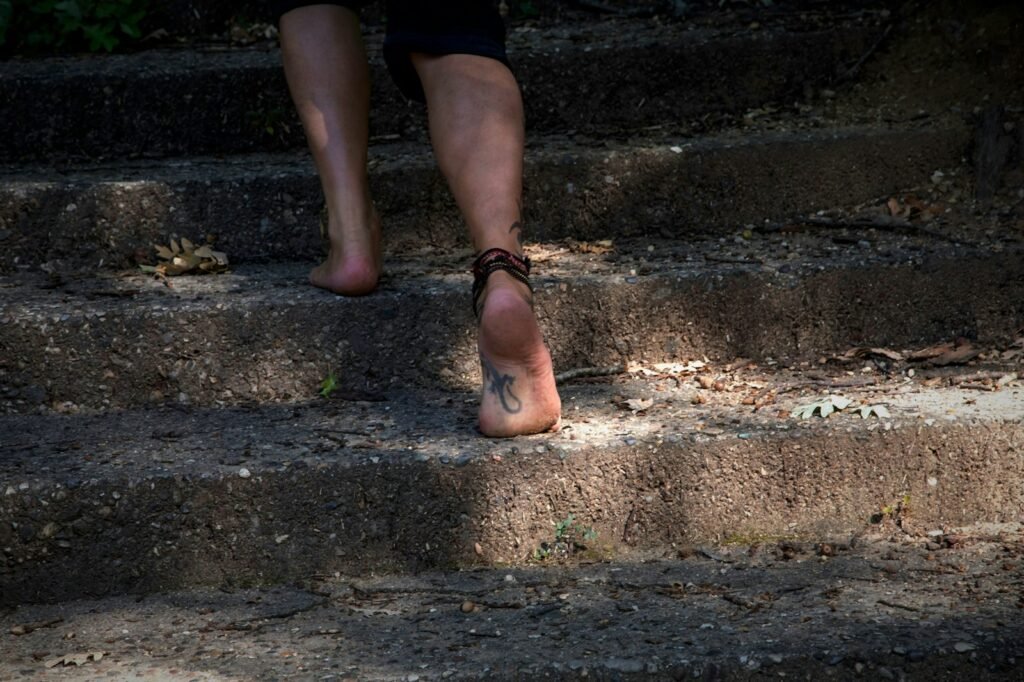
In a big toe fusion, the surgeon removes the damaged joint surfaces and holds the bones in place with pins, screws or a plate. Over time, the bones grow together, and the joint no longer bends.
A general recovery picture
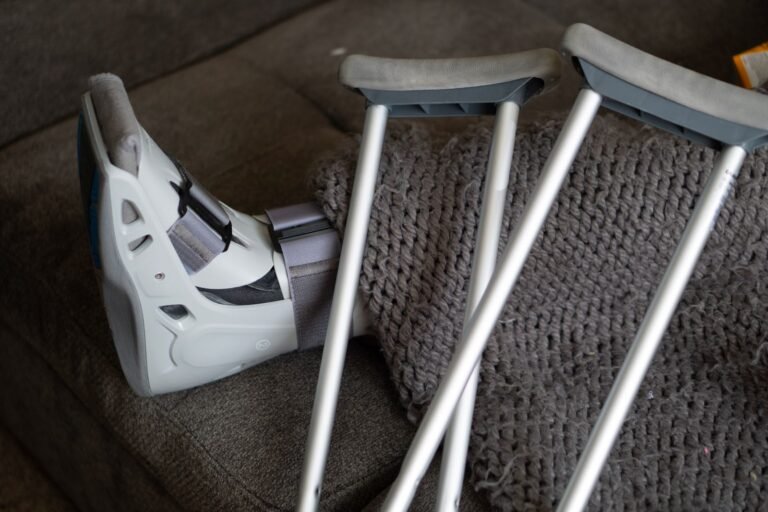
The American Academy of Orthopaedic Surgeons says most people who have a standard big toe fusion wear a cast for about the first 6 weeks. After that, many move to crutches and a boot, a stiff-soled shoe or a shoe with a rocker bottom. Swelling can last 3 to 6 months.
A fusion after an implant is removed can be more involved than a first-time fusion. For example, the surgeon may need to fill the space left by the implant. Your own surgeon will explain your plan and timeline.
Planning ahead
- Ask how long you are likely to be off work and whether you can do seated tasks sooner.
- Ask when you may be able to drive, especially if the surgery is on your right foot.
- Set up your home so the things you use most are within easy reach.
- Arrange rides to follow-up visits and the pharmacy.
- Ask what signs of trouble, such as fever or new drainage, should prompt a call.
Questions to ask before a revision
- Will you remove the implant only, or also fuse the joint in the same surgery?
- Will I need a bone graft to fill the space where the implant was?
- How will we know the bones have healed, and how often will I need X-rays?
- What happens if the fusion does not heal the first time?
- Can the removed implant be saved and returned to me or held for my records?
Write the answers down, and ask for any printed instructions or diagrams the office can give you. Cartiva toe implant patients often meet with more than one surgeon, and notes make it easier to compare plans.
Everyday Tips for Cartiva Toe Implant Patients
Whether you are waiting on a decision or healing from surgery, small changes can make daily life easier. Always check these ideas with your own doctor first.
Footwear
AAOS notes that shoes with a large toe box can reduce pressure over the toe joint. It also says a stiff-soled shoe with a rocker or roller bottom, or a stiff insert, can relieve pain from a sore big toe joint. Many Cartiva toe implant patients find that thin, bendy shoes make symptoms worse.
At work
If your job keeps you on your feet, ask your employer about a stool, more breaks or a seated role for a while. Keep copies of any doctor’s notes you hand in. They show how symptoms affected your work.
At home
- Use a shower chair and a non-slip mat if standing is hard.
- Keep a small bench near the door for putting on shoes.
- Ask family members to help with tasks like carrying laundry or groceries up stairs.
- Clear loose rugs and cords from walkways to lower the risk of a fall while you heal.
Staying active
Many Cartiva toe implant patients miss walking, running or dancing the most. Ask your doctor or physical therapist about lower-impact options, such as cycling or swimming, that may be safe for you. Moving in ways that do not hurt can help your mood and overall health.
Caring for Your Emotional Health
A failed implant can affect more than your foot. Losing favorite activities, missing work or facing another surgery can bring stress, sadness or anger.
Feelings that are common
- Regret about choosing Cartiva over a fusion in the first place
- Worry about money, time off or the outcome of another surgery
- Frustration at not being able to keep up with family or friends
- Fatigue from many appointments and long recoveries
These feelings make sense. You made a reasonable choice with the information you had at the time.
Ways to find support
- Talk openly with your partner, family or close friends about what you are going through.
- Let your doctor know if pain is affecting your sleep or mood.
- Ask your care team about a counselor or support group.
- If you ever feel hopeless or think about harming yourself, call or text 988 to reach the 988 Suicide and Crisis Lifeline.
Talking with family
Loved ones may not understand why a small implant causes so much trouble. Showing them your imaging report or explaining the recall in a few words can help them see what you face. It can also make it easier to ask for help.
Money and Insurance Questions for Cartiva Toe Implant Patients
Another surgery and a long recovery can strain a budget. A little planning can ease some of that stress.
Before surgery
- Call your health plan to ask whether the revision needs prior approval.
- Ask the surgeon’s office for a cost estimate and what your share may be.
- Check whether your plan covers physical therapy, boots and special shoes.
Time off work
If you work for a covered employer, the federal Family and Medical Leave Act may let eligible workers take up to 12 weeks of unpaid, job-protected leave for a serious health condition. Ask your human resources office what applies to you. Some people also have short-term disability coverage through work or a private policy.
Keep a cost file
- Explanation of benefits statements from your insurer
- Receipts for copays, prescriptions, braces, inserts and shoes
- Mileage and parking for medical visits
- Pay stubs or letters showing lost hours or unpaid leave
Many Cartiva toe implant patients are surprised by how quickly small costs add up. A simple folder or spreadsheet keeps it all in one place. These records can help with taxes, insurance appeals and any later review of a claim.
How Cartiva Toe Implant Patients Can Share Their Experience
Your story can help others, and it can help you understand your own options. There are a few ways to share it, each with a different purpose.
Tell your doctor everything
Your surgeon can only treat what they know about. Report all symptoms, even ones that seem minor, and ask that they be noted in your chart.
Report the problem to the FDA
Cartiva toe implant patients can file a voluntary report through MedWatch. The FDA’s reporting page says patients can use the online form, or call 1-800-332-1088 to request a paper form. Keep a copy for your records.
Keep a short patient journal
A journal turns scattered memories into a clear record. Once or twice a week, write a few lines about your pain level, what you could and could not do, and any visits or treatments.
- Rate your pain from 0 to 10 on a typical day.
- Note activities you skipped, such as a walk, a shift at work or a family outing.
- Write down new symptoms, like numbness, clicking or a change in how you walk.
- List questions to bring to your next appointment.
Cartiva toe implant patients often say the journal helps them speak up at visits. It can also help a doctor see patterns, and it gives a reviewer a fuller picture of daily life than records alone.
Be careful in online groups
Online patient groups can offer comfort and tips. Still, keep personal medical details, legal questions and the names of your doctors out of public posts. Anything shared online can be copied or taken out of context.
Ask for a confidential review
A case review is private. If your implant moved, sank or led to more surgery, a participating law firm may look at whether your situation fits the claims being filed. You decide what to share, and asking does not commit you to anything.
Timing still matters
Filing deadlines vary by state and claim type. Some states start the clock when you learned, or should have learned, that the implant may have caused your problems. Cartiva toe implant patients who have symptoms may want to ask about their dates early, even while they focus on healing.
Frequently asked questions
Do all Cartiva patients have problems?
No. Some patients do well. The studies above show a range of outcomes, and many patients had improved pain scores.
Are MAUDE reports proof that Cartiva failed?
No. MAUDE reports are not verified, and the FDA cautions against using them to judge how often problems occur. They show patterns that doctors and regulators watch.
How soon after surgery do problems appear?
It varies. The studies above followed patients for about two years or less on average, so they cannot show how implants hold up over longer periods.
Is it normal to feel upset after a failed implant?
Yes. Many people chose Cartiva to avoid a fusion. Needing one anyway can bring frustration and worry. Talking with your care team can help.
Can I share my experience with a law firm privately?
Yes. A case review is confidential. You choose what to share and whether to move forward.
How Direct2Attorney can help
If your Cartiva toe implant caused pain, moved, or led to another surgery, you may qualify to have a participating law firm review your situation for free. Visit our Cartiva implant lawsuit page to learn more.
What Cartiva toe implant patients report does not decide any one case. But if your story sounds familiar, you do not have to sort out your options alone.
Direct2Attorney is a legal marketing and referral service, not a law firm. This article is general information, not legal advice. Submitting information does not create an attorney-client relationship.