In this article (13 sections)
- Why Cartiva implants are being revised
- What Cartiva revision surgery involves
- What recovery can look like
- What drives the cost of revision surgery
- What a Cartiva claim can seek to recover
- How to protect your claim before and after revision
- Preparing for Cartiva Revision Surgery: A Practical Checklist
- Saving the Implant and Your Records After Cartiva Revision Surgery
- Insurance, Medicare and Billing Around Cartiva Revision Surgery
- Life After Cartiva Revision Surgery: Work, Shoes and Daily Activities
- Glossary: Terms in Your Cartiva Revision Surgery Records
- Frequently asked questions
- How Direct2Attorney can help
Last updated: October 2026
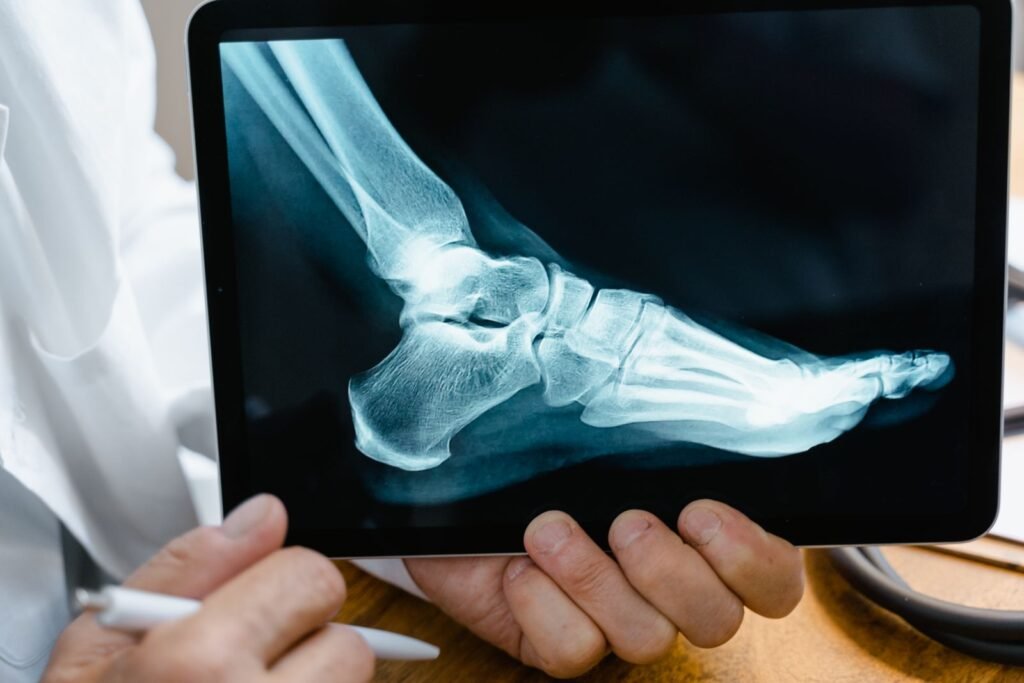
Cartiva revision surgery is a second operation to deal with a failed Cartiva big toe implant. In most cases, the surgeon removes the implant and fuses the big toe joint, sometimes with a bone graft. It usually means months of recovery, new medical bills and time away from work, and those losses are what a Cartiva claim generally seeks to recover. The sections below add a pre-surgery checklist, steps to save the implant and records, and help with the bills that follow Cartiva revision surgery.
This guide explains what the surgery involves, what drives its cost, and the kinds of losses a claim may include.
Why Cartiva implants are being revised
The Cartiva Synthetic Cartilage Implant is a small plug made of polyvinyl alcohol and saline, according to the FDA’s approval summary. It was press-fit into the head of the first metatarsal to treat arthritis at the base of the big toe.
In its October 31, 2024 safety notice, Stryker told surgeons that newer data showed higher-than-expected rates of revision and removal. It also listed implant sinking (subsidence), displacement, pain, nerve damage and breakage. The FDA lists the action as a Class 2 recall with the cause recorded as device design.
Even in the original clinical trial used for approval, device removal was the most common second procedure, affecting 9.2% of Cartiva patients within two years.
What Cartiva revision surgery involves
Your surgeon will choose an approach based on your bone quality, symptoms and goals. Common steps include:
- Removing the implant. The surgeon opens the joint and takes out the hydrogel plug and any fragments.
- Cleaning the joint. Damaged tissue and worn cartilage are removed.
- Filling the gap. If the implant sank or caused bone loss, a bone graft may be used to fill the space.
- Fusing the joint. Screws, a plate or both hold the bones together while they heal into one solid bone.
A fusion is meant to be permanent. Once healed, the big toe no longer bends at its base. Some people feel real pain relief. Others notice changes in walking, shoes and activities that push off the toe.
What recovery can look like
Every recovery is different, and your surgeon’s instructions come first. In general, people move through stages:
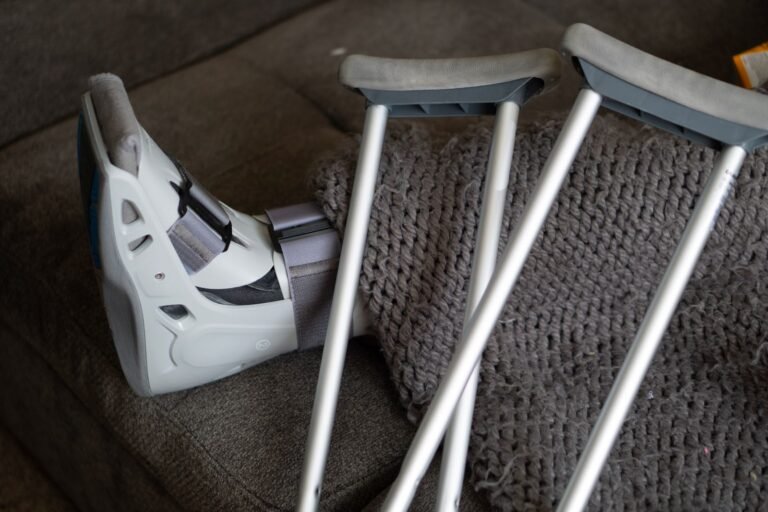
- Early weeks: rest, elevation and little or no weight on the foot, often in a boot or surgical shoe
- Following months: a gradual return to walking as X-rays show the bones joining
- Longer term: physical therapy, shoe changes and a slow return to work and exercise
A revision can be harder than the first surgery. Possible problems include bone that does not fuse (nonunion), infection, wound healing trouble, irritation from hardware and ongoing nerve pain. Some of these can lead to yet another procedure.
Questions to ask your surgeon
- What went wrong with my implant, and how can you tell?
- Will I need a bone graft?
- How long will I be off my foot, and when can I drive or work?
- What are the chances I will need another surgery?
- Can the removed implant be saved rather than thrown away?
Write down the answers or bring someone to take notes. That record can help you follow instructions and remember what you were told.
What drives the cost of revision surgery
We do not list typical prices because costs vary widely by region, insurance plan and how complex the surgery is. But most bills come from the same places:
- Surgeon, anesthesia and facility fees
- Imaging before and after surgery, such as X-rays, CT scans or MRIs
- Bone graft material and fusion hardware
- Follow-up visits and physical therapy
- Boots, braces, crutches, scooters or shoe inserts
- Prescription medicines
Then there are costs that never appear on a hospital bill:
- Lost pay while you cannot stand or drive
- Travel to appointments
- Paid help with childcare, housework or yard work
- Changes at work, such as reduced hours or a switch to lighter duty
Keep every bill, receipt and insurance explanation of benefits. Your insurer’s statements show both what was billed and what you paid.
What a Cartiva claim can seek to recover
A product liability claim tries to make up for harm caused by a defective product. The exact rules depend on your state. In general, damages fall into a few categories.
Economic damages
These are losses with a paper trail:
- Past medical expenses, including the revision and related care
- Future medical costs, such as more surgery or ongoing therapy
- Lost wages from time off work
- Reduced ability to earn in the future, if your job or career is affected
- Out-of-pocket costs like travel and home help
Non-economic damages
These are real losses that are harder to measure:
- Physical pain and suffering
- Emotional distress, such as frustration or anxiety about more surgery
- Loss of enjoyment of life, such as giving up running, hiking or dancing
- Permanent changes, like the loss of motion in a fused joint
Other possible claims
In some states, a spouse may bring a separate claim for how the injury affected the marriage. Punitive damages, meant to punish serious misconduct, are rare and depend on strict state rules. Many states also cap certain types of damages.
One more thing to know: if health insurance, Medicare or Medicaid paid for your revision, it may have a right to be repaid from any recovery. A law firm handles those issues as part of a case.
How to protect your claim before and after revision
The revision itself can create some of the strongest records in a Cartiva case. The federal court overseeing the cases noted that plaintiffs commonly allege implant failure, migration, bone loss and loss of mobility requiring more surgery, often a fusion.
- Ask to keep the implant. Request in writing that the removed device be preserved, not discarded.
- Get your records. You have a right under federal privacy law to request copies of your medical records, including operative and pathology reports.
- Track your recovery. A simple journal of pain, missed work and activities you gave up helps show non-economic losses.
- Save paperwork. Keep work leave forms, pay stubs and receipts together.
Deadlines to file vary by state and claim type. To learn how the recall and MDL fit together, see our Cartiva lawsuit explainer.
Preparing for Cartiva Revision Surgery: A Practical Checklist
A little planning before Cartiva revision surgery can make the first weeks at home much easier. It can also help you keep track of costs and records along the way.
At home
- Set up a main living space on one floor, if you can, with a chair that has a footrest for elevation.
- Clear rugs, cords and clutter from walkways to lower the risk of falls on crutches or a scooter.
- Place everyday items at waist height so you do not have to bend or reach.
- Stock easy meals and refill regular medicines before surgery day.
- Ask about a shower chair or bag to keep the foot dry, if your surgeon recommends it.
At work
- Ask your surgeon for a written estimate of time off and any work limits.
- Talk with your employer or human resources office about leave and light duty options.
- Keep copies of every leave form, doctor’s note and pay stub.
Getting around
Many people cannot drive for a while after foot surgery, especially if it is the right foot. Line up rides to follow-up visits and physical therapy. Keep receipts or a log of mileage and ride costs.
Before you sign consent forms
Read the surgical consent form slowly. If you want the removed implant saved, ask whether the form or the hospital’s policy says anything about discarding devices. Raise it with your surgeon before the day of Cartiva revision surgery, not in the pre-op room.
Saving the Implant and Your Records After Cartiva Revision Surgery
The removed implant and your surgical records can be some of the most important evidence in a Cartiva case. Hospitals often throw explanted devices away or send them to pathology unless asked to do something else.
Steps to help preserve the implant
- Put your request in writing to your surgeon and the hospital before Cartiva revision surgery.
- Ask the hospital which department will hold the device and how to request it later.
- If you have a lawyer, share the hospital’s contact so the firm can arrange proper storage.
- Do not try to clean, open or handle the device yourself if it is released to you.
- Write down who has the implant and when it changed hands.
Some hospitals will only release a device to a lawyer or under specific rules. A participating law firm can explain how to handle this in your situation.
Your implant details
Ask for the implant record or sticker from your first surgery. It lists the size and lot number. According to the FDA recall entry, the recall covers Cartiva implants in 6mm, 8mm, 10mm and 12mm sizes, all lots distributed from July 2016 through October 2024.
Records to request
- Operative reports from both the original surgery and the Cartiva revision surgery
- Pathology report on the removed implant and tissue, if one was done
- X-rays, CT or MRI reports before and after each surgery
- Physical therapy notes and discharge instructions
- Itemized hospital and surgeon bills
Under federal privacy rules, providers generally must act on your request for records within 30 days, with one possible 30-day extension.
Reporting the device problem
Patients can report a problem with a medical device to the FDA through its MedWatch program. A report helps the agency track safety issues. It is separate from any legal claim.
Insurance, Medicare and Billing Around Cartiva Revision Surgery
Medical bills after Cartiva revision surgery can come from many places, and they may arrive for months. Keeping them organized protects you now and helps any future claim.
Read every explanation of benefits
Your health plan sends an explanation of benefits, or EOB, for each claim. It shows what was billed, what the plan paid and what you owe. Save every EOB with the matching bill.
If a charge is denied, ask your plan why and how to appeal. Write down the date, the name of the person you spoke with and any reference number.
If Medicare paid
Medicare explains that when it pays for care that may later be covered by a liability settlement, those are “conditional” payments that must be repaid if a settlement, judgment or award is made. A pending liability case must be reported to Medicare’s Benefits Coordination & Recovery Center at 1-855-798-2627.
Medicaid and private health plans may also have repayment rights. A law firm usually handles these issues as part of a case.
Prior authorization and network questions
Some health plans require approval before surgery or certain imaging. Ask your surgeon’s office whether prior authorization is needed and whether it has been approved. Also confirm that the surgeon, hospital and anesthesia group are in your plan’s network, if you can.
Out-of-pocket costs to track
- Copays, deductibles and coinsurance
- Boots, braces, shoe inserts, crutches or a knee scooter
- Pharmacy receipts for prescription and over-the-counter medicine
- Paid help with childcare, housework or yard work
- Mileage, parking and ride costs for visits
A simple folder or spreadsheet with one row per expense makes it easier to total costs later. Note the date, what it was for and how much you paid.
Life After Cartiva Revision Surgery: Work, Shoes and Daily Activities
Healing does not end when the cast or boot comes off. Many people spend months adjusting to how a fused toe feels. Planning for that stage of Cartiva revision surgery recovery can make it less frustrating.
Questions for your surgeon or physical therapist
- When can I return to my normal job duties, and are there limits on standing or climbing?
- What kinds of shoes or inserts should I use while I heal, and long term?
- Which exercises are safe now, and which should I avoid?
- When can I drive, run, hike or play sports again?
- What signs mean I should call the office right away?
Write the answers down. Your care team’s advice comes first, and every recovery is different.
Tracking changes in your daily life
After Cartiva revision surgery, some changes may be small and others may affect your job or hobbies. A short weekly note can capture them. Include pain levels, how far you can walk, shoes you can no longer wear and activities you have had to give up or change.
These notes can help your doctors adjust your care. They can also help show non-economic losses, such as loss of enjoyment of life, if you pursue a claim.
The emotional side
Many people chose Cartiva hoping to avoid a fusion. Ending up with one anyway can feel discouraging. It is normal to feel frustrated or down during a long recovery.
Talk with your doctor if low mood lasts, and lean on family and friends for rides, meals and company. Some people find it helpful to connect with others who have been through Cartiva revision surgery.
Glossary: Terms in Your Cartiva Revision Surgery Records
Surgical reports use a lot of medical language. This short glossary can help you read your records and ask better questions about Cartiva revision surgery.
- First MTP joint. The joint at the base of the big toe, where the first metatarsal bone meets the toe. This is where Cartiva implants were placed.
- Hallux rigidus. Arthritis and stiffness in the big toe joint. It is the condition Cartiva was used to treat.
- Explant. Removal of an implanted device, or the removed device itself.
- Subsidence. Sinking of the implant into the bone. Stryker’s safety notice listed it as a reported problem.
- Arthrodesis. The medical word for fusion. The bones are joined so the joint no longer moves.
- Bone graft. Bone or bone substitute used to fill a gap. An autograft comes from your own body, and an allograft comes from a donor.
- Hardware. Screws, plates or staples used to hold bones in place while they heal.
- Nonunion. When bones do not heal together after a fusion, which may lead to more surgery.
- Operative report. The surgeon’s written account of what was done during surgery.
- Pathology report. A lab report describing tissue or a device removed during surgery.
If a term in your records is not listed here, ask your surgeon or nurse to explain it. Understanding your own Cartiva revision surgery records can help you follow your care plan and talk clearly with a participating law firm.
Deadlines to file vary by state and claim type. Keeping your records, bills and the removed implant safe after Cartiva revision surgery can help protect your options.
Frequently asked questions
Is revision surgery required to file a Cartiva claim?
No. Many claims involve revision surgery, but a participating law firm may also review ongoing pain, implant movement or other documented problems.
Will insurance pay for Cartiva revision surgery?
That depends on your plan. Keep all insurance statements, because out-of-pocket costs may be part of a claim.
Can I get another Cartiva implant?
The device was recalled, and Stryker told surgeons to pull remaining implants from inventory. Ask your surgeon about other options.
My revision was years ago. Can I still have a claim reviewed?
Possibly. Deadline rules differ by state, and some depend on when you learned the device might be the cause.
How Direct2Attorney can help
If you have had Cartiva revision surgery, or your doctor has recommended one, you may qualify for a free case review. Direct2Attorney connects people with participating law firms. Visit our Cartiva implant lawsuit page to get started.
Cartiva revision surgery can change daily life. Understanding what it involves and what it costs can help you decide on next steps.
Direct2Attorney is a legal marketing and referral service, not a law firm. This article is general information, not legal advice. Submitting information does not create an attorney-client relationship.