In this article (14 sections)
- Why Cartiva implants can fail
- Warning signs of Cartiva implant failure
- Normal healing or implant failure?
- What happens after failure is confirmed
- When to see a doctor
- Why tracking your symptoms matters
- Warning signs and your legal options
- How to Talk With Your Doctor About Cartiva Implant Failure
- Getting Your Medical Records After Cartiva Implant Failure
- How to Report Cartiva Implant Failure to the FDA
- Living With Cartiva Implant Failure While You Decide
- Terms You May See in Records About Cartiva Implant Failure
- Frequently asked questions
- How Direct2Attorney can help
Last updated: October 2026
Common signs of Cartiva implant failure include pain that returns or gets worse in the big toe joint, swelling, stiffness, and trouble walking. Some people also notice numbness or tingling from nerve irritation. X-rays may show the implant has sunk into the bone, shifted out of place or broken apart. If you are worried about Cartiva implant failure, the sections below also explain how to talk with your doctor, get your records and report problems to the FDA.
These are the same problems Stryker flagged when it recalled the device in October 2024. This guide walks through each warning sign, when to see a doctor, and why keeping track of symptoms matters.
Why Cartiva implants can fail
The Cartiva Synthetic Cartilage Implant is a small hydrogel plug placed in the joint at the base of the big toe. It was meant to cushion the joint and ease arthritis pain while letting the toe keep bending.
In an October 31, 2024 safety notice, Stryker said newer data showed the implant was failing more often than the original approval study suggested. The notice listed higher-than-expected rates of:
- Revision surgery and implant removal
- Subsidence, where the implant sinks deeper into the bone
- Displacement, where it moves out of position
- Pain and nerve damage
- Fragmentation, where the implant breaks into pieces
The FDA lists this as a Class 2 recall and records the cause as device design.
Warning signs of Cartiva implant failure
Stryker’s notice told surgeons to watch patients for pain, difficulty walking, skin reactions, stiffness, swelling or weakness in the big toe joint. Here is what each can look like in daily life.
Pain that returns or gets worse
Many people feel better for a while after surgery. A warning sign is pain that comes back months or years later, or pain that never really improved. It may be worse when you push off to walk, climb stairs or wear certain shoes.
Swelling around the big toe
Ongoing puffiness or warmth around the joint can signal irritation. Swelling that lasts or keeps coming back is worth mentioning to your doctor.
Stiffness or loss of motion
The main goal of Cartiva was to keep the toe flexible. If the joint becomes stiff again, or bends less than it did after surgery, the implant may have shifted or sunk.
Trouble walking or changes in how you walk
Some people start walking on the outside of the foot to avoid pain. Over time this can cause soreness in the ankle, knee or hip. Limping, or needing to change your activities, is an important sign.
Numbness, tingling or burning
Nerve damage was one of the problems named in the recall notice. Numbness or tingling near the big toe should be checked.
Skin reactions or redness
Redness, rash or irritation over the joint can happen. These can also be signs of infection, so they should be looked at quickly.
What doctors look for
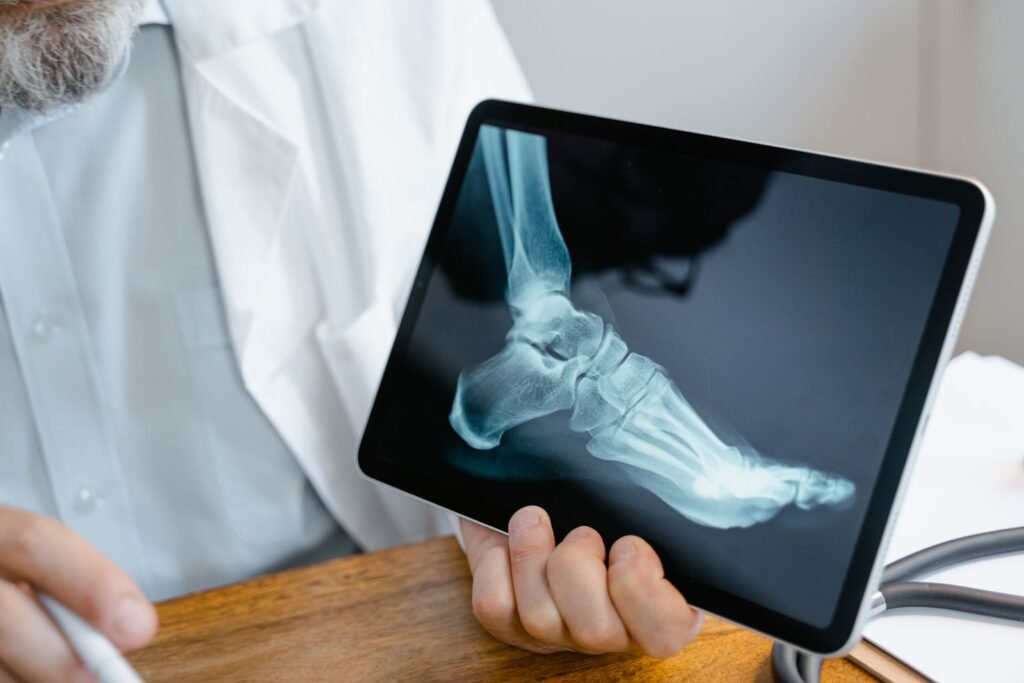
If you report symptoms, your doctor may order imaging. Common findings in a failed implant include:
- Subsidence: the implant sits lower than it should
- Displacement: the implant has moved out of the joint space
- Fragmentation: pieces of the implant have broken off
- Bone loss or cysts: changes in the bone around the implant
Sometimes these problems are only confirmed during a second surgery. The surgeon’s notes from that operation can describe what they found in detail.

Normal healing or implant failure?
It can be hard to tell the difference between normal recovery and a problem. Healing after big toe surgery takes time, and some soreness is expected in the first weeks and months.
Here are some general differences to discuss with your doctor:
- Normal healing usually improves step by step. Swelling goes down, and walking gets easier over time.
- Possible failure often looks like the opposite. Pain comes back after a good period, or gets worse instead of better.
- Normal healing stays mostly in the surgery area and fades with rest.
- Possible failure can spread into how you walk, causing soreness in other parts of the foot, ankle or leg.
Only a medical exam and imaging can confirm what is going on. If you are unsure, it is reasonable to ask for an X-ray.
What happens after failure is confirmed
If your doctor confirms the implant has failed, they will talk with you about treatment. Options depend on your symptoms, the condition of the bone and your activity level.
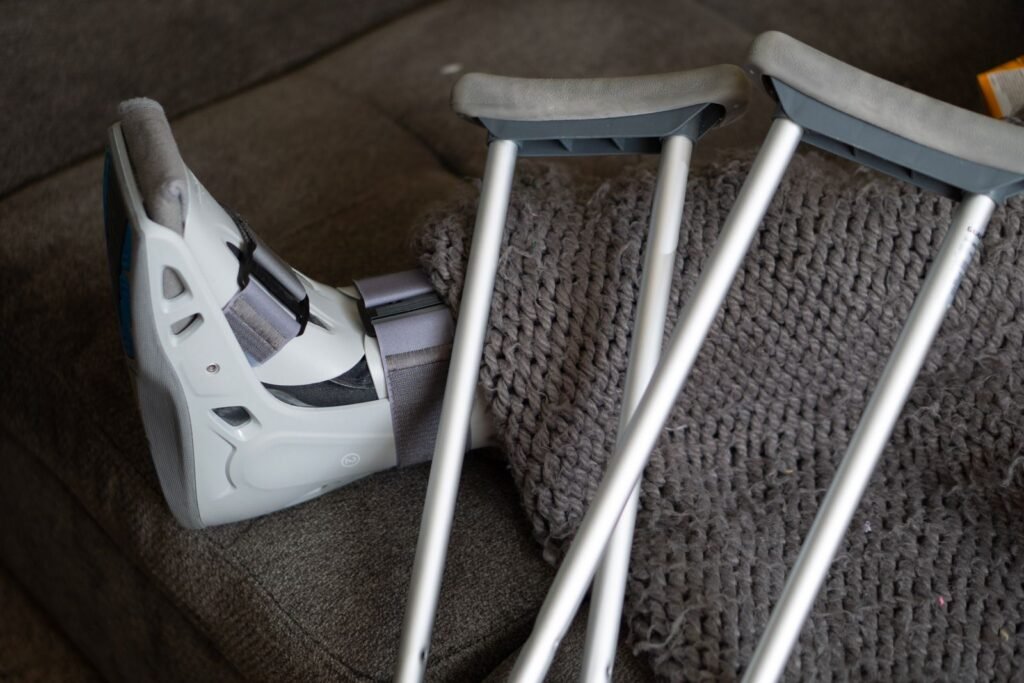
Many surgeons remove the implant and fuse the joint. A fusion joins the bones so the joint no longer bends. It can relieve pain, but it also means the toe loses the motion Cartiva was meant to keep. Recovery often involves time in a boot or with limited weight on the foot.
When to see a doctor
You do not need to wait until symptoms are severe. Consider making an appointment if:
- Pain has lasted more than a few weeks or keeps getting worse
- You cannot walk comfortably or wear normal shoes
- The toe looks swollen, red or out of line
- You have numbness, tingling or burning
- You received a recall letter and have any symptoms at all
Seek care right away for fever, spreading redness or drainage from the incision area, which can point to infection.
Why tracking your symptoms matters
A simple symptom log can help your doctor and, later, any law firm reviewing your situation. Try noting:
- The date symptoms started or changed
- What activities make pain worse
- Any missed work, canceled plans or new limits
- Medications, braces, inserts or therapy you have tried
Keep copies of imaging reports and visit notes too. If you have a second surgery, ask whether the removed implant can be saved instead of thrown away.
You can also report device problems directly to the FDA through MedWatch. Reports help the agency track safety trends.
Warning signs and your legal options
Federal Cartiva lawsuits are now combined in MDL No. 3172 in the Eastern District of Arkansas. The plaintiffs describe many of the same warning signs listed above: swelling, pain, implant migration, bone loss and loss of mobility, often followed by a fusion surgery.
Having symptoms does not by itself mean you have a claim. But documented problems, especially when they lead to more treatment, are the kind of facts a law firm may review. Filing deadlines vary by state and claim type, so it can help to ask sooner rather than later.
How to Talk With Your Doctor About Cartiva Implant Failure
A short visit can go by fast, especially when you are in pain. Going in with a plan helps you get clear answers about possible Cartiva implant failure and what to do next.
Before the appointment
- Write down when your surgery took place and the name of the surgeon who placed the implant.
- List your symptoms in order, starting with the first one you noticed.
- Note what makes the pain better or worse, such as shoes, stairs, long walks or standing at work.
- Bring any recall letter you received and a list of the medicines you take.
- Ask a family member or friend to come along and take notes if you can.
Questions to ask
- Do my symptoms fit the pattern of Cartiva implant failure, or could something else explain them?
- Has the implant sunk, moved or broken on my X-rays?
- Do I need other imaging, such as an MRI or CT scan, to see more?
- What are my treatment options now, and what happens if I wait?
- How often should I come back for checkups?
- If I need surgery, can the removed implant be saved instead of thrown away?
Ask for copies before you leave
Ask the front desk for the written imaging report and the visit summary. These short documents often use the exact words a later reviewer will look for, such as “subsidence” or “displacement.”
If something is unclear, ask the doctor to explain it in plain words. You can also ask for a second opinion from another foot and ankle surgeon. A fresh set of eyes is common when Cartiva implant failure is on the table, and it does not mean you distrust your first doctor.
Getting Your Medical Records After Cartiva Implant Failure
Your records tell the story of your implant from the first surgery to today. They matter for your care, and they are the main proof a law firm would review if you later look into a claim.
Records worth requesting
- The operative report from the surgery that placed the Cartiva implant
- The implant record or sticker sheet, which may list the product name, size and lot number
- Office notes from follow-up visits
- X-ray, MRI or CT reports, plus copies of the images on a disc or through a patient portal
- Physical therapy notes
- The operative report and any pathology report from a revision or fusion surgery
- Billing records that show what you and your insurer paid
How to ask for them
Most hospitals and clinics have a records request form, often called a release or authorization form. Some let you download records through an online patient portal. Ask for everything related to your foot, not just the most recent visit.
Under federal privacy rules, providers generally must act on your request within 30 days.
The rules allow only one extension of up to 30 more days, according to guidance from the U.S. Department of Health and Human Services. Some offices charge a fee for copies, so ask about cost when you file your request.
Keep your records organized
Store everything in one folder, either on paper or on your computer. Sort it by date and put a one-page timeline at the front. When signs of Cartiva implant failure show up years after surgery, a clear timeline makes it much easier for your doctors and any reviewer to follow what happened.
How to Report Cartiva Implant Failure to the FDA
The FDA collects reports about medical device problems from doctors, companies and patients. Your report adds to the picture regulators use to track safety trends. Filing one does not start a lawsuit, and it does not cost anything.

Ways to file a report
According to the FDA’s device reporting page, patients and caregivers can report a problem through MedWatch in a few ways:
- Fill out the MedWatch online reporting form on the FDA website.
- Download a paper form, complete it and mail it to the address on the form.
- Call 1-800-332-1088 to ask for a form to be mailed to you.
- Fax a completed form to 1-800-FDA-0178.
What to include
- The device name (Cartiva Synthetic Cartilage Implant) and, if you know it, the size and lot number
- The date of your surgery and when problems began
- What happened, in plain words, such as pain, swelling or the implant sinking
- Any treatment you needed because of the problem, such as injections or another surgery
- Your doctor’s contact details, if you are comfortable sharing them
Keep a copy or screenshot of your report and write down the date you sent it. You can also ask your surgeon whether they have filed their own report about your case of Cartiva implant failure.
A report is not proof of a defect
FDA reports are not checked one by one, and the agency does not decide who is at fault. Still, a report is a simple way to make your experience count, and the copy you keep can be part of your own records.
Living With Cartiva Implant Failure While You Decide
Deciding what comes next can take time. You may be waiting on imaging, a second opinion or a surgery date. These steps can help protect your health and your options while you live with possible Cartiva implant failure.
Daily life
- Follow your doctor’s advice on shoes, inserts and activity limits.
- Ask whether physical therapy, a stiff-soled shoe or other non-surgical care could ease your symptoms for now.
- Tell your employer if standing or walking at work has become hard, and keep copies of any work notes.
- Track missed workdays, canceled trips and help you needed at home because of Cartiva implant failure.
Your feelings matter too
Many people chose Cartiva to avoid a fusion. Learning about Cartiva implant failure can bring frustration, worry or grief about lost activities.
Talking with family, your care team or a counselor can help. You do not have to push through it alone.
Common mistakes to avoid
- Waiting months to report new pain because you hope it will pass on its own
- Throwing away recall letters, appointment cards or implant paperwork
- Posting details about your symptoms or a possible case on social media
- Assuming the deadline to act is far away. Filing deadlines vary by state and claim type.
- Signing papers from anyone other than your own care team or a law firm you chose, without reading them first
Terms You May See in Records About Cartiva Implant Failure
Medical records use words that can be hard to follow. Knowing a few common terms can help you read your own reports and ask better questions about Cartiva implant failure.
- First MTP joint: the joint at the base of the big toe, where the Cartiva implant is placed.
- Hallux rigidus: arthritis and stiffness in the big toe joint, the condition Cartiva was meant to treat.
- Subsidence: the implant sinking deeper into the bone than where it was placed.
- Displacement or migration: the implant moving out of its intended spot.
- Fragmentation: the implant breaking into pieces.
- Bone loss, cysts or osteolysis: changes in the bone around the implant that can show up on imaging.
- Revision surgery: a second operation to fix or remove a device.
- Arthrodesis: the medical word for a joint fusion.
- Explant: an implant that has been removed from the body.
If one of these words appears in your imaging report or surgery notes, write it down and ask your doctor what it means for you. A term like “subsidence” in a report is one of the clearest written signs of Cartiva implant failure.
Why the exact words matter
A note that says only “pain” tells a reader less than a note that says “implant subsidence with pain on walking.” Doctors choose their words for medical reasons, not legal ones, so you should never ask anyone to change a record.
What you can do is make sure your symptoms are fully reported at each visit. Clear, complete notes help your care team and also help anyone reviewing a possible claim about Cartiva implant failure understand what happened.
When a case review may make sense
If you have signs of Cartiva implant failure, needed more treatment or had a revision, a participating law firm may review your records. A review does not commit you to anything. It can help you understand whether your situation may qualify and which dates matter in your state.
Living with Cartiva implant failure is hard. Good records, honest talks with your doctor and early questions about timing can keep your choices open while you focus on healing.
Frequently asked questions
How long after surgery can a Cartiva implant fail?
It varies. Some people have problems within the first year, while others notice them several years later. Any new or returning pain is worth checking.
Can a failed Cartiva implant be fixed?
Surgeons often treat a failed implant by removing it and fusing the joint. Your doctor can explain the options for your situation.
Is pain after Cartiva surgery always a sign of failure?
No. Some soreness is normal during healing. Pain that lasts, returns or gets worse should be evaluated.
I have no symptoms. Should I worry?
The recall asks doctors to monitor patients. If you feel fine, keep your regular checkups and watch for changes.
How Direct2Attorney can help
If you are living with warning signs of Cartiva implant failure, or you already needed revision surgery, you may qualify for a free case review. Direct2Attorney connects people with participating law firms. Learn more on our Cartiva implant lawsuit page.
Direct2Attorney is a legal marketing and referral service, not a law firm. This article is general information, not legal advice. Submitting information does not create an attorney-client relationship.