
In this article (15 sections)
- What Is an Ozempic Gastroparesis Lawsuit?
- The August 2025 Ruling on Gastroparesis Diagnosis
- What Is a Gastric Emptying Study?
- Symptoms That Lead People to Ask About an Ozempic Gastroparesis Lawsuit
- Records to Gather Before a Case Review
- If You Never Had a Gastric Emptying Study
- How to Request Your Medical and Pharmacy Records
- Deadlines and Why Waiting Can Hurt
- What a Free Case Review Involves
- Other Stomach Tests Doctors May Order
- Keep a Symptom Diary for an Ozempic Gastroparesis Lawsuit Review
- Talking With Your Doctor About GLP-1 Side Effects
- Common Mistakes to Avoid Before a Case Review
- Ozempic Gastroparesis Lawsuit FAQ
- Key Takeaways
If you took Ozempic, Wegovy, Mounjaro, or a similar GLP-1 medication and later developed severe stomach problems, you may have heard about lawsuits over gastroparesis, sometimes called stomach paralysis. One of the most important developments for anyone considering an Ozempic gastroparesis lawsuit is a 2025 federal court ruling about how the condition must be diagnosed. This guide explains that ruling, what a gastric emptying study is, and which records can help when you ask for a case review. The sections below explain other stomach tests, how to track symptoms and what to ask your doctor before an Ozempic gastroparesis lawsuit review.
Direct2Attorney is a legal marketing and referral service, not a law firm, and we do not provide legal or medical advice. Please do not stop or change any medication without talking to your prescriber.
What Is an Ozempic Gastroparesis Lawsuit?

GLP-1 receptor agonists such as semaglutide (Ozempic, Wegovy, Rybelsus) and tirzepatide (Mounjaro, Zepbound) work partly by slowing how fast the stomach empties. Plaintiffs in the litigation allege that the manufacturers, Novo Nordisk and Eli Lilly, did not adequately warn patients and doctors about the risk of severe gastrointestinal injuries, including gastroparesis, intestinal obstruction, and ileus. The companies deny these allegations.
Federal cases are consolidated in multidistrict litigation known as In re: Glucagon-Like Peptide-1 Receptor Agonists (GLP-1 RAs) Products Liability Litigation, MDL No. 3094, in the U.S. District Court for the Eastern District of Pennsylvania. The Judicial Panel on Multidistrict Litigation created the MDL in early 2024, and Judge Karen S. Marston now presides. An MDL groups similar cases before one judge for pretrial matters, but each case remains an individual lawsuit.
Where the litigation stands
As of October 2026, the court has been working through expert testimony and summary judgment issues, and no bellwether trial date has been set. No global settlement has been announced. Separately, claims involving a type of sudden vision loss called NAION were placed into their own MDL, No. 3163, in December 2025. You can find a broader overview on our Ozempic lawsuit page.
The August 2025 Ruling on Gastroparesis Diagnosis
Early in the litigation, the court agreed to decide several “cross-cutting” questions that affect many cases at once. One of those questions was how a plaintiff must show that he or she actually has gastroparesis.
On August 15, 2025, Judge Marston ruled that plaintiffs alleging gastroparesis generally need a diagnosis supported by a gastric emptying study, an objective test, rather than a diagnosis based on symptoms alone. The court found that the plaintiffs’ proposed expert approach, which leaned on clinical symptoms, did not meet the reliability standard of Federal Rule of Evidence 702. Legal commentators noted that the ruling may bar some plaintiffs’ claims, particularly where no gastric emptying study was performed around the time of diagnosis.
For people considering an Ozempic gastroparesis lawsuit, this means testing records have become one of the first things a participating law firm is likely to ask about. It does not necessarily mean every person without a test is out of options, because other GI injuries and individual facts may be evaluated differently. A participating attorney can explain how the ruling may apply to your situation.
What Is a Gastric Emptying Study?
According to the National Institute of Diabetes and Digestive and Kidney Diseases (NIDDK), gastroparesis is a disorder that slows or stops the movement of food from the stomach to the small intestine even though there is no blockage. Doctors often confirm it with a gastric emptying scintigraphy test.
In a typical study, the patient eats a light meal containing a small, safe amount of radioactive material. A scanner then tracks how much food remains in the stomach over several hours, often measured at one, two, and four hours. If too much food remains after a set time, that can support a gastroparesis diagnosis. Other tests, such as a breath test or a wireless motility capsule, are sometimes used as well.
Why medication timing can affect the test
Because GLP-1 drugs slow gastric emptying, doctors sometimes ask patients to pause certain medications before the test to avoid skewed results. How and when a test was done may be examined closely in litigation, so the full test report, not just a summary line, is useful to have.
Symptoms That Lead People to Ask About an Ozempic Gastroparesis Lawsuit
Gastroparesis symptoms can overlap with ordinary side effects of GLP-1 drugs, such as nausea. What often sets serious cases apart is severity and persistence. Commonly reported symptoms include:
- Feeling full after only a few bites of food
- Nausea and repeated vomiting, sometimes of undigested food
- Bloating and upper abdominal pain
- Heartburn or reflux
- Unintended weight loss or signs of malnutrition and dehydration
- Symptoms that continue or worsen after the medication is stopped
Severe vomiting, inability to keep fluids down, or signs of dehydration need prompt medical attention. Doctors may order bloodwork, imaging, an upper endoscopy to rule out a blockage, and a gastric emptying study.
Records to Gather Before a Case Review
You do not need a complete file before contacting us, but these records are often central to an Ozempic gastroparesis lawsuit evaluation:
- Prescription and pharmacy records showing which GLP-1 medication you took, the dose, and the dates.
- Gastric emptying study report, including the date, the method, and the retention percentages at each time point.
- Gastroenterology notes documenting symptoms, diagnosis, and treatment.
- Emergency room and hospital records for vomiting, dehydration, obstruction, or ileus.
- Endoscopy and imaging reports that rule out other causes of symptoms.
- Records of prior GI conditions, since a pre-existing diagnosis may affect how a case is evaluated.
- A symptom timeline showing when you started the drug, when symptoms began, and how your daily life and work changed.
Pharmacy records are often easier to obtain than people expect. Most pharmacies can print a medication history, and many patient portals let you download visit notes and test results. Our article on building a drug-injury timeline from pharmacy records covers a similar process for another medication, and many of the same steps apply.
If You Never Had a Gastric Emptying Study
Many patients were diagnosed based on symptoms and never had a formal test. If that describes you, consider talking with your doctor about whether testing is medically appropriate now. That is a medical decision, and it should be made for your health, not for a lawsuit.
From a legal standpoint, a participating law firm will look at your full history, including other diagnoses such as bowel obstruction or ileus, which are evaluated differently from gastroparesis. Whether a particular firm can help depends on facts it reviews, and no firm can promise a result.
How to Request Your Medical and Pharmacy Records
Under the federal HIPAA Privacy Rule, you generally have a right to access copies of your own health records. Getting them early can make a case review faster and more accurate. A few practical steps:
- Log in to your patient portal and download visit summaries, test results, and imaging reports.
- Ask your pharmacy for a printed prescription history covering the full period you used a GLP-1 drug.
- Contact the medical records department of any hospital where you were treated and ask for the complete chart, including emergency department notes.
- Request the full gastric emptying study report, which usually includes the retention percentages, rather than only the summary in a visit note.
- Keep copies of any insurance explanation of benefits forms, which can help confirm dates of care.
Providers may charge a reasonable fee for copies, and response times vary. If you sign with a law firm, it may handle records requests on your behalf.
Other conditions doctors may rule out
Because gastroparesis symptoms overlap with other problems, doctors may test for conditions such as a physical blockage, ulcers, gallbladder disease, or complications of diabetes, which on its own is a known cause of gastroparesis. Notes showing what was ruled out, and how, can be just as important as the diagnosis itself. If you had diabetes before starting a GLP-1 drug, share that openly during a case review, since it is one of the facts a participating law firm will consider.
Deadlines and Why Waiting Can Hurt
Product liability claims are subject to state statutes of limitations. These deadlines vary by state and can be as short as one or two years. Many states use a discovery rule, which may start the clock when you knew, or reasonably should have known, that your injury might be connected to the drug. Because the rules differ and can be complex, a participating attorney licensed in your state should evaluate the deadline that applies to you.
What a Free Case Review Involves
When you contact Direct2Attorney, an intake specialist asks a short series of questions about your medication, dates of use, diagnosis, testing, and treatment. If your situation appears to fit what a participating law firm is reviewing, we connect you with that firm. The review is free and confidential.
The participating law firm decides whether to take your case. There is no guarantee that a firm will accept a claim or that compensation will be recovered. If you do sign with a firm, it is wise to read the fee agreement carefully and ask questions about costs.
Other Stomach Tests Doctors May Order
A gastric emptying scan is the test most people hear about. But doctors use several other tests to look at how the stomach works and to rule out other problems. Knowing their names can help you understand your records before an Ozempic gastroparesis lawsuit review.

The National Institute of Diabetes and Digestive and Kidney Diseases describes these common tests:
- Gastric emptying breath test. You eat a meal with a special substance, and breath samples are collected over about 4 hours to measure how fast the stomach empties.
- Wireless motility capsule. You swallow a small electronic capsule that sends data to a recorder you wear. It measures how quickly food moves through the stomach and intestines.
- Upper GI endoscopy. A doctor uses a thin tube with a camera to look inside the upper digestive tract.
- Imaging tests. An ultrasound or upper GI series can help find blockages or other causes of symptoms.
- Blood and urine tests. These can check for dehydration, malnutrition and related problems.
Why the type of test matters
Court rulings in the GLP-1 litigation have focused on how gastroparesis was diagnosed. If you had a test other than a gastric emptying scan, ask a participating law firm how it may be viewed in an Ozempic gastroparesis lawsuit. Do not assume one test is the same as another.
Get the full test report
A short note in a visit summary is not always enough. Ask the testing center for the complete report, which usually lists the test type, the date, the meal used and the results. If you are not sure which test you had, the report will say. Having the full report ready can speed up an Ozempic gastroparesis lawsuit review and help your doctor plan care.
Keep a Symptom Diary for an Ozempic Gastroparesis Lawsuit Review
Your memory of symptoms can fade over time. A short daily diary gives your doctor clearer information and can also support an Ozempic gastroparesis lawsuit review later.
What to write down
- The medicine you take, the dose and the date of each injection or dose.
- Nausea, vomiting, bloating, early fullness or stomach pain, and how severe each felt.
- What and how much you were able to eat.
- Any weight changes, missed work or trips to urgent care or the emergency room.
- Any changes your doctor made to your medicine.
Tips for keeping it going
Use a notebook or a notes app, and write a few lines at the same time each day. Short entries are fine. On bad days, even one sentence, such as “vomited twice, could not eat dinner,” is better than nothing. If you miss a few days, simply pick up again. Bring the diary to appointments. Keep copies, since this diary may be one of the most useful personal records in an Ozempic gastroparesis lawsuit.
Talking With Your Doctor About GLP-1 Side Effects
Your health comes first. Do not stop or change your medicine on your own because of something you read about an Ozempic gastroparesis lawsuit. Talk with the doctor who prescribed it.
Questions you may want to ask
- Could my symptoms be related to my GLP-1 medicine?
- Should I have a gastric emptying study or another test?
- If I have a test, do I need to stop the medicine beforehand?
- Are there other conditions we should rule out?
- What symptoms mean I should seek urgent care?
- Can you note my symptoms and test results in my chart?
Bring someone with you
If you feel unwell or overwhelmed, bring a family member or friend to appointments. They can take notes, help you remember questions and keep track of what the doctor says. Their notes can also help you later if you look into an Ozempic gastroparesis lawsuit.
Report side effects to the FDA
Patients and doctors can report serious side effects to the FDA through its MedWatch program. A report does not start a lawsuit, but it helps the agency track safety problems. Keep a copy or note of any report you make.
Ask for copies after each visit
Many health systems offer patient portals where you can download visit notes and test results. Saving these as you go means you will not need to request them all at once if you decide to pursue an Ozempic gastroparesis lawsuit.
Common Mistakes to Avoid Before a Case Review
Small missteps can make a review harder. Here are a few to watch for if you are thinking about an Ozempic gastroparesis lawsuit.
- Waiting too long. Deadlines vary by state and can start when you first knew or should have known about the injury.
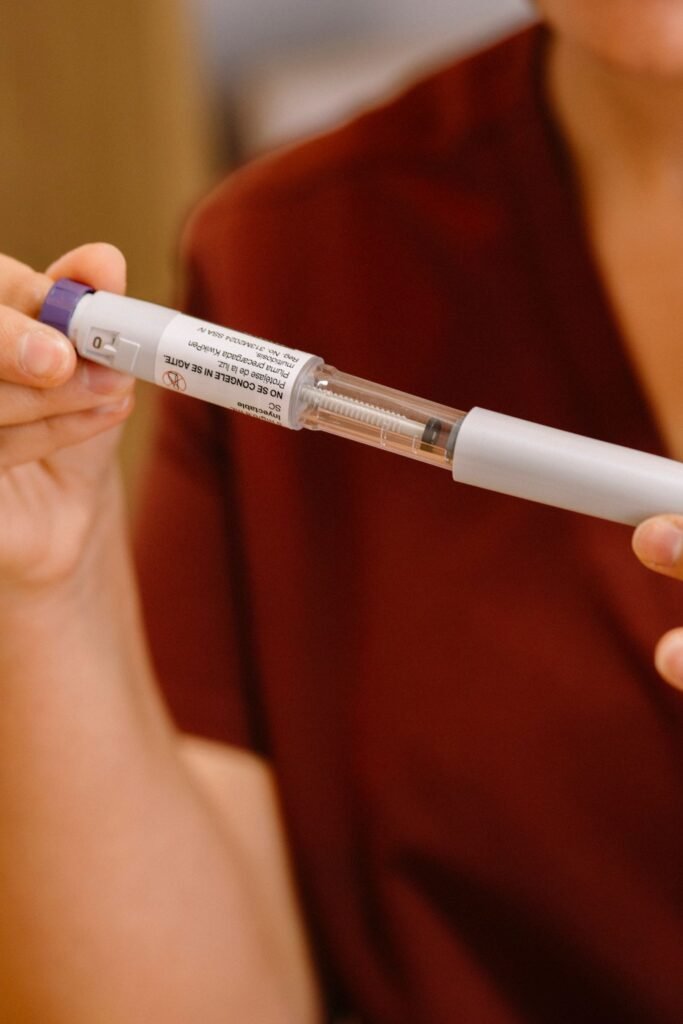
- Throwing away pens or packaging. Keep used pens, boxes and pharmacy labels in a safe place, out of reach of children, until you know whether you need them.
- Guessing about dates. Pharmacy records can confirm exactly when you started and stopped the medicine.
- Posting about your health online. Social media posts can be used by the other side in a lawsuit.
- Assuming you do not qualify. A firm can review your records and explain how current court rulings may apply.
An Ozempic gastroparesis lawsuit review is meant to give you information, not pressure. No one can promise a result, and a participating law firm should explain both the strengths and the risks. Taking these steps now can help you make an informed choice about an Ozempic gastroparesis lawsuit at your own pace.
Ozempic Gastroparesis Lawsuit FAQ
Do I need a gastric emptying study to file an Ozempic gastroparesis lawsuit?
In the federal MDL, the August 2025 ruling requires gastroparesis claims to be supported by a gastric emptying study. How that applies to an individual case is something a participating attorney can evaluate.
Is this a class action?
No. The federal cases are grouped in multidistrict litigation, but each plaintiff has an individual lawsuit with his or her own medical facts.
Does the litigation include Mounjaro and Wegovy?
The MDL covers several GLP-1 receptor agonist drugs, including products made by Novo Nordisk and Eli Lilly. Which medication you took is an important detail for any case review.
Has there been a settlement?
As of October 2026, no global settlement has been announced in MDL No. 3094. Be cautious about websites quoting specific payout figures.
What about vision loss claims?
Claims involving NAION, a type of sudden vision loss, were moved into a separate MDL, No. 3163, in December 2025.
Should I stop taking my medication?
Do not stop or change any prescription without speaking to your doctor. Many people benefit from these drugs, and only your prescriber can weigh your risks and benefits.
Key Takeaways
The August 2025 ruling made objective testing central to any Ozempic gastroparesis lawsuit in the federal MDL. If you have severe, lasting stomach symptoms after GLP-1 use, get medical care first, keep your pharmacy and test records, and write down a timeline. Then a free case review can help you understand whether a participating law firm may be able to help.
Think you may qualify? See if you qualify for a free, confidential Ozempic case review →
This article is general information, not legal or medical advice. Direct2Attorney is not a law firm. Contacting us does not create an attorney-client relationship, and no outcome or compensation is guaranteed.