In this article (12 sections)
- The scale of the problem in 2025 and 2026
- Why fair compensation is often a fight
- A patchwork of state laws
- Crashes that tend to be more complex
- How injured people push back
- How Car Crash Lawsuits Move, Step by Step
- Evidence That Can Shape Car Crash Lawsuits
- Understanding Damages in Car Crash Lawsuits
- Special Situations in Car Crash Lawsuits
- Common Mistakes and Questions to Ask
- Frequently asked questions
- How Direct2Attorney can help
Last updated: October 2026
Car crash lawsuits in the U.S. are often a fight over three things: who was at fault, how serious the injuries are, and how much insurance is available to pay. Injured people across the country face a patchwork of state laws, uninsured drivers and insurers that work to keep payouts low. Understanding that landscape can help you push for fair compensation. Knowing how car crash lawsuits move, what evidence matters and which mistakes to avoid can help you protect your claim while you focus on healing.
Here is a national look at U.S. car crash lawsuits, the obstacles injured people commonly face, and how claims move forward.
The scale of the problem in 2025 and 2026
Traffic deaths are falling, but crashes still harm millions of Americans. NHTSA’s early estimate shows about 36,640 people died in 2025, down 6.7% from 2024. The fatality rate fell to 1.10 per 100 million miles traveled, the second lowest on record.
Injuries remain widespread. NHTSA estimates that 2.42 million people were injured in police-reported crashes in 2024. The National Safety Council, which also counts medically consulted injuries, reports 4.9 million in 2024 and total costs of about $559.3 billion.
Behind those numbers are families dealing with medical bills, lost paychecks and long recoveries. The NHTSA estimated that crashes cost $340 billion in economic losses in 2019 alone, including medical care, lost productivity, legal costs and property damage. Much of that burden falls on injured people and their families until a claim is resolved.
Why fair compensation is often a fight
Insurers are businesses
Insurance adjusters are trained to evaluate claims carefully and control costs. That can mean:
- Questioning whether an injury came from the crash
- Pointing to gaps in medical treatment
- Arguing the injured person was partly at fault
- Making early offers before the full extent of injuries is known
- Using statements or social media posts to downplay injuries
None of this means an insurer is acting unfairly in every case. But injured people are often dealing with an experienced claims team while they are still in pain, and that imbalance is part of the fight.
Too little insurance
Many drivers carry only their state’s minimum coverage, which may not come close to covering a serious injury. The Insurance Research Council estimated that 15.4% of drivers were uninsured in 2023, more than one in seven. It also found underinsured rates rose in nearly every state from 2017 to 2023.
When the at-fault driver’s policy is too small, a strong claim can still run into a ceiling. That is why many injured people look closely at their own policy. Uninsured and underinsured motorist coverage, medical payments coverage and health insurance may all play a part in covering costs.

A patchwork of state laws
Where you crash can shape your claim almost as much as how you crash.
Fault rules
States treat shared fault differently. Cornell’s Legal Information Institute notes that about one-third of states use pure comparative negligence, most use a modified version with a cutoff, and Alabama, Maryland, North Carolina, Virginia and D.C. still follow contributory negligence, where even slight fault can bar recovery.
No-fault systems
The Insurance Information Institute lists a dozen no-fault states plus Puerto Rico. In those states, your own personal injury protection usually pays first. Suing for pain and suffering typically requires meeting a serious-injury or medical-cost threshold. Three states let drivers choose between no-fault and traditional coverage.
Deadlines and caps
Filing deadlines vary by state and by claim type. Some states cap certain damages in some cases. Claims involving government vehicles or roads often have shorter notice requirements.
For people who crash while traveling, the question of which state’s law applies can add another layer. It may depend on where the crash happened, where the people involved live and where their insurance was issued.
Crashes that tend to be more complex
Some crash types bring extra parties, more insurance and more disputes.
Truck crashes
The IIHS reports that 5,340 people died in large truck crashes in 2024, and 62% were passenger vehicle occupants. Commercial carriers must follow federal rules, such as the FMCSA hours-of-service limits that generally cap property-carrying drivers at 11 hours of driving after 10 hours off duty. Records like driver logs and maintenance files can be important evidence.
Pedestrian and cyclist crashes
NHTSA reports 7,080 pedestrians were killed in 2024. People on foot or bikes have little protection, so injuries are often severe. Insurers may argue about visibility, crossing location or helmet use. The IIHS found 73% of pedestrian deaths in 2024 happened between 6 p.m. and 6 a.m., when visibility is poor and fault is often disputed.
Rideshare and work vehicles
When a driver was working, an employer’s or company’s commercial policy may apply. Coverage questions can be complicated, because the policy that applies may depend on whether the driver was on the job, waiting for a ride request or off duty. See our rideshare lawsuit page for more on those claims.
Distracted, speeding or impaired drivers
NHTSA data shows distraction was involved in crashes that killed 3,208 people in 2024. Proving distraction may require phone records or video, which are often obtained later through the legal process.
How injured people push back
Fair compensation is more likely when a claim is well documented and well timed.
- Get prompt medical care and follow your treatment plan.
- Keep every bill, receipt and pay record.
- Preserve evidence early, including photos and video.
- Be careful with recorded statements to the other driver’s insurer.
- Check your own policy for UM/UIM and medical payments coverage.
- Do not sign a release until you understand your future care needs.
- Track deadlines, since they vary by state and claim type.
When talks stall, a lawsuit can move the claim forward. Filing allows formal discovery, sworn testimony and, if needed, a trial. Most cases still settle, but the process can change how seriously a claim is taken.
Many people also find it helpful to have someone else handle the calls and paperwork. A participating law firm can deal with insurers, gather records and track deadlines, which lets the injured person focus on recovery.
How Car Crash Lawsuits Move, Step by Step
Most injury claims start as insurance claims, not lawsuits. Car crash lawsuits usually come later, when talks with an insurer stall or the stakes are high. Knowing the usual steps can help you plan while you recover.
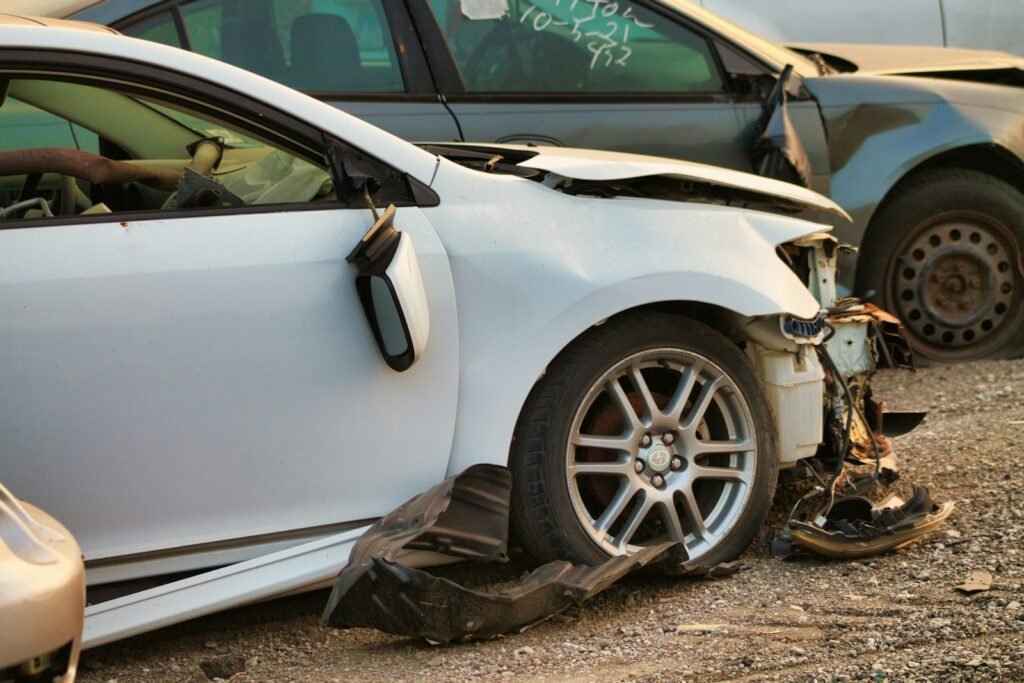
Here is a general picture of how a claim may move forward:
- Medical care and early records. Treatment comes first. Your medical records also become the foundation of the claim.
- Insurance claims. Claims are opened with the at-fault driver’s insurer and, in some cases, with your own insurer.
- A demand. Once the full picture of your injuries is clearer, a written demand lays out your losses and asks for payment.
- Negotiation. The insurer may accept, reject or make a counteroffer. This back-and-forth can take weeks or months.
- Filing a lawsuit. If talks stall or a deadline is near, a complaint is filed in court.
- Discovery. Each side shares documents, answers written questions and requests records.
- Depositions. Drivers, witnesses and sometimes doctors answer questions under oath.
- Mediation. Many courts encourage or require a meeting with a neutral person who helps both sides try to settle.
- Trial. If no agreement is reached, a judge or jury decides the case.
Why some cases take longer than others
The time it takes depends on how serious the injuries are, how long treatment lasts and whether fault is disputed. Car crash lawsuits involving trucks, government vehicles or several drivers often take longer, because more parties and insurers are involved.
Many people wait to settle until they reach maximum medical improvement, the point where doctors can predict future care. Settling too early can leave future costs uncovered.
Evidence That Can Shape Car Crash Lawsuits
Strong evidence can change how seriously an insurer takes a claim. Some evidence is easy to lose, so it helps to know what matters early.
Evidence from the scene
- Photos and video of the vehicles, road, skid marks, signs and weather
- Names and phone numbers of witnesses
- The police report number and the officer’s name
- Notes on what the other driver said, written down as soon as you can
Video and electronic data
Nearby businesses, traffic cameras, doorbell cameras and dashcams may have recorded the crash. Some video is deleted within days or weeks, so it helps to ask early or let a law firm send preservation requests.
Event data recorders
Many vehicles have an event data recorder, often called a “black box.” According to NHTSA, these devices capture information for a few seconds before, during and after a crash, such as pre-crash vehicle dynamics, driver inputs and seat belt use.
Under the federal Driver Privacy Act of 2015, the vehicle’s owner or lessee owns that data. Others can generally get it only in certain cases, such as with the owner’s consent or a court’s permission. In car crash lawsuits, this data can help show speed and braking.
Medical evidence
Your medical records connect the crash to your injuries. Follow your treatment plan, keep appointments and tell each doctor about all your symptoms. Gaps in care are often used to argue that an injury was minor.
Records for commercial vehicles
When a truck or work vehicle is involved, driver logs, maintenance files and company policies may matter. These records belong to the company, so they are usually requested through the legal process in car crash lawsuits.
Understanding Damages in Car Crash Lawsuits
“Damages” is the legal word for the losses a claim seeks to recover. What may be available depends on state law, the facts and the insurance involved.

Economic damages
These are losses you can usually add up with bills and records:
- Medical bills, therapy, prescriptions and medical equipment
- Expected future medical care
- Lost wages and lost ability to earn in the future
- Vehicle repair or replacement and other property damage
- Costs such as travel to appointments or help at home
Non-economic damages
These losses are real but harder to put a number on. They may include pain, emotional distress, loss of enjoyment of life and, for spouses, loss of companionship. Some states limit these damages in certain cases.
Punitive damages
In rare cases involving very reckless conduct, such as some drunk driving crashes, a court may allow punitive damages. They are meant to punish, and rules vary widely by state.
Who may need to be repaid
Health insurers, government programs or medical providers that paid for your care may have a right to be repaid from a recovery. These claims are often called liens. A law firm can explain how they may affect what you take home from car crash lawsuits.
Keeping a daily journal
A short daily note about pain, sleep, missed activities and tasks you could not do can help show non-economic losses. It also helps you remember details months later, when car crash lawsuits reach depositions.
Special Situations in Car Crash Lawsuits
Not every claim fits the usual pattern. Some situations bring extra rules, different deadlines or more parties. Here are a few that often come up in car crash lawsuits.
Passengers
Passengers are rarely at fault for a crash. That can make fault questions simpler, but passengers may still need to look at several policies. These can include the driver of their own car, the other driver and their own household policy.
If the driver of your car was a friend or family member, it may feel uncomfortable to make a claim. Keep in mind that the claim is usually paid by the driver’s insurance company, not by the driver personally.
Children
When a child is hurt, a parent or guardian usually brings the claim for them. Deadlines for minors may differ from those for adults, and in many places a court must approve a settlement for a child. A law firm can explain the rules where you live.
Keep your child’s school notes, therapy records and any changes in behavior or sleep. These details can help show how the crash affected daily life.
Hit-and-run crashes
If the other driver left the scene, report the crash to police right away. Your own uninsured motorist coverage may help, but policies often require prompt reporting. Car crash lawsuits after a hit-and-run may also depend on finding video or witnesses quickly.
Crashes that cause a death
When someone dies in a crash, certain family members or the estate may be able to bring a wrongful death claim. Who can file, what can be recovered and the deadline all depend on state law. Families do not need to make legal decisions right away, but keeping records and asking questions early can help protect their options.
Crashes involving government vehicles or roads
Claims against a city, county or state agency often require a written notice within a short time, sometimes only months. These notice rules are strict in many places. If a government vehicle, bus or road defect was involved, it is wise to ask about deadlines as soon as possible, before car crash lawsuits of this kind become harder to bring.
Crashes while working
If you were hurt while driving for work, workers’ compensation may apply, along with a claim against the at-fault driver. The two can interact in ways that vary by state, so it helps to have both reviewed together in car crash lawsuits of this kind.
Common Mistakes and Questions to Ask
Small missteps can weaken a strong claim. Knowing them ahead of time can help you protect your options.
Mistakes to avoid
- Waiting to see a doctor. Delays can make it harder to link injuries to the crash.
- Posting about the crash or your activities online. Insurers may review public posts.
- Giving a recorded statement to the other driver’s insurer before you understand your rights.
- Accepting a quick check and signing a release while you are still treating.
- Throwing away damaged items, such as a broken child car seat or a phone.
- Missing deadlines. Filing deadlines vary by state and claim type, and claims against government agencies may have much shorter notice periods.
Questions to ask a law firm
If you speak with a participating law firm, you might ask:
- How do my state’s fault rules affect my claim?
- Which insurance policies may apply, including my own?
- Do you handle car crash lawsuits that go to trial, or only settlements?
- What evidence should I gather or protect right now?
- How long do car crash lawsuits like mine usually take in this area?
- How are fees and costs handled? Please explain them in writing.
- How often will I get updates, and who will be my contact?
Taking care of yourself
Recovering from a crash is stressful, even when injuries seem minor. Many people feel anxious about driving again, have trouble sleeping or replay the crash in their minds. Tell your doctor about these feelings too, because emotional effects are part of your recovery.
Car crash lawsuits can feel like a long road. Keeping good records, asking questions and focusing on your health can help you move forward one step at a time.
Frequently asked questions
Do most U.S. car crash lawsuits go to trial?
No. Most are resolved through settlement. Trial is usually a last resort if negotiations fail.
Why did the insurer offer so little?
Early offers may not reflect future care, lost income or pain and suffering. Insurers may also dispute fault or causation. A firm can review whether an offer reflects your documented losses.
Does my state’s law really matter?
Yes. Fault rules, no-fault systems, damage caps and deadlines all vary by state and can change the outcome.
What if the other driver has no insurance?
Your own uninsured motorist coverage may apply. Other responsible parties may also have coverage.
Is it worth pursuing a claim for a smaller injury?
That depends on your costs, your recovery and the insurance involved. A firm may review the facts and explain your options at no cost through Direct2Attorney.
How Direct2Attorney can help
The fight for fair compensation after a U.S. car crash can feel uneven. Direct2Attorney can connect you with a participating law firm that may review your case at no cost and explain how your state’s rules apply. Visit our motor vehicle accident page to see if you may qualify.
Direct2Attorney is a legal marketing and referral service, not a law firm. This article is general information, not legal advice. Submitting information does not create an attorney-client relationship.