

In this article (14 sections)
- Why small mistakes carry big weight
- Medical mistakes
- Insurance and evidence mistakes
- Settlement and deadline mistakes
- A few extra points that affect claim value
- How a Car Accident Claim Usually Moves From Start to Finish
- What a Car Accident Claim Can Include
- How to Organize Your Car Accident Claim File
- What to Do If You Disagree With the Insurer
- Questions to Ask Before You Settle a Car Accident Claim
- Helping Your Medical Records Tell the Full Story
- Common Terms in a Car Accident Claim
- Car accident claim: frequently asked questions
- How Direct2Attorney can help
Last updated: October 2026
Small, common mistakes after a crash can quietly reduce what a car accident claim is worth, often without the injured person realizing it until much later. The biggest ones are waiting to see a doctor, saying too much to an insurer, and letting evidence disappear. The good news is that most of these mistakes are easy to avoid once you know about them. The good news is that a car accident claim is easier to protect when you know how the process works and keep good records from day one.
Below are seven car accident claim mistakes, why each one matters, and what to do instead.
Why small mistakes carry big weight
Car accident claims are built on records. Insurance adjusters look at medical files, photos, repair estimates and statements to decide what a claim is worth. When a record is missing or unclear, the gap usually works against the injured person.
The stakes are real. NHTSA estimates that 2.42 million people were injured in police-reported traffic crashes in 2024. The National Safety Council puts the average economic cost of a disabling crash injury at $174,000 and an evident injury at $45,000 in 2024. Those averages include wage losses, medical costs and other expenses. Any single claim can be very different.
Medical mistakes
Mistake 1: Waiting to get medical care
Many people feel “okay” after a crash because adrenaline masks pain. The CDC notes that some concussion symptoms may not appear for hours or days.
A gap between the crash and your first doctor visit gives an insurer room to argue your injury came from something else. Getting checked promptly protects your health first and creates a clear record second.
When you see a provider, describe every symptom, even ones that seem minor, like a stiff neck, headaches, trouble sleeping or feeling foggy. If a symptom is not written down, it can be hard to prove later that it started with the crash. Urgent care, your primary doctor or the emergency room can all create that first record.
Mistake 2: Skipping follow-up care
Missing physical therapy, not filling prescriptions or stopping treatment early can be read as a sign that you were not really hurt. If you cannot keep up with appointments because of cost, transportation or work, write down why. Tell your provider so it is noted in your chart.
Keep a simple recovery journal as well. A few lines each day about pain levels, sleep, missed plans and tasks you needed help with can show how the injury affected daily life. That kind of detail is often missing from medical records, yet it is central to the human side of a claim.

Insurance and evidence mistakes
Mistake 3: Giving a recorded statement too soon
The other driver’s insurer may call within days and ask to record your version of events. You are generally not required to give the other side’s insurer a recorded statement. Offhand comments like “I’m fine” or “I didn’t see them” can be used later to limit a claim.
Your own policy may require you to cooperate with your insurer, so read it or ask. Either way, stick to basic facts and avoid guessing about speed, distance or injuries.
Mistake 4: Letting evidence disappear
Evidence fades fast. Skid marks wash away, cars get repaired, and video from nearby businesses is often recorded over within days or weeks.
- Photograph vehicles, the scene, road signs and your injuries.
- Collect names and numbers of witnesses.
- Get the police report number.
- Ask nearby businesses whether they have camera footage.
- Keep damaged items, such as a car seat, phone or clothing.
Also keep the repair estimate, the final repair bill and any rental car receipts. If your car was declared a total loss, save the valuation letter from the insurer. These documents show how hard the impact was, which can matter when an insurer claims a crash was too minor to cause injury.
Mistake 5: Posting about the crash online
Insurers can look at public social media. A photo of you at a family event or a post saying you are “doing great” can be taken out of context. Consider pausing posts about the crash, your injuries or your activities until your claim is resolved. Do not delete existing posts, since that can raise other problems.
Settlement and deadline mistakes
Mistake 6: Accepting the first offer too fast
Early offers sometimes arrive before the full extent of an injury is known. Once you sign a release, you usually cannot reopen the claim, even if you later need surgery or miss more work.
Before accepting any offer, it helps to know:
- Whether your doctors expect more treatment
- How much work you have missed, and may still miss
- Whether your health insurer or another payer expects to be repaid from a settlement
- What your policy and the other driver’s policy limits are
Also think about losses that are easy to overlook. Missed overtime, used vacation or sick days, childcare while you attended appointments, and help with chores at home may all be part of the picture. If they are not raised before you settle, they are usually lost.
Mistake 7: Missing a deadline
Every state sets a time limit, often called a statute of limitations, for filing an injury lawsuit. Deadlines vary by state and by claim type. Claims against a city, county or state agency may require a formal notice much sooner. Insurance policies also have their own reporting deadlines.
It is easy to lose track of time while you are healing. Writing down the crash date and asking a participating law firm about deadlines early can help.
Waiting also has practical costs beyond the legal deadline. Witnesses move or forget details, and records become harder to gather. Starting early gives everyone more to work with.
A few extra points that affect claim value
Shared fault
If you are found partly responsible, many states reduce your recovery by your share of fault. Cornell’s Legal Information Institute explains that a handful of jurisdictions, including Alabama, Maryland, North Carolina, Virginia and the District of Columbia, still follow contributory negligence, which can bar recovery if you were even slightly at fault. Apologizing or guessing at the scene can feed into fault arguments later.
No-fault rules
In the dozen states the Insurance Information Institute lists as no-fault, your own personal injury protection pays first. Filing that claim late or incompletely can delay benefits.
How a Car Accident Claim Usually Moves From Start to Finish
Knowing the common mistakes is easier when you can see the whole process. Every car accident claim is different, but most follow a similar path.

- At the scene. The National Association of Insurance Commissioners (NAIC) suggests calling 911 if anyone is hurt, collecting the other driver’s name, insurance and plate details, and getting witness names and the police report number.
- Reporting the claim. The NAIC recommends contacting your insurer as soon as possible, using the number on your proof-of-insurance card or the insurer’s app.
- The adjuster’s review. A claims adjuster is assigned to look at the damage and decide on payment. If another driver was at fault, their insurer will also assign an adjuster.
- Treatment and recovery. Injury claims are usually not valued until your doctors have a clearer picture of your recovery.
- The demand. Once enough is known, a demand with bills, records and lost income is usually sent to the at-fault driver’s insurer.
- Negotiation. The insurer responds with an offer. Back-and-forth talks are common.
- Settlement or lawsuit. Many claims settle. If talks stall or a deadline is close, a lawsuit may be filed. No one can promise how a car accident claim will end.
The property damage part of a claim, such as your car repairs, often moves faster than the injury part. It is common for them to be handled on different timelines.
What a Car Accident Claim Can Include
Many people think a car accident claim is mostly about car repairs. In fact, an injury claim can include several kinds of losses. What applies to you depends on your injuries, your state and your insurance.
Costs you can usually document
- Medical bills, from the emergency room to physical therapy
- Prescriptions, medical equipment and travel to appointments
- Lost wages and lost earning ability if you cannot return to the same work
- Car repair or replacement, plus rental car costs
- Damaged personal items, such as a phone, glasses or child car seat
Losses that are harder to put a number on
- Pain and physical discomfort
- Emotional distress, such as anxiety about driving
- Loss of enjoyment, such as missing sports, hobbies or family events
Why reasonable care matters
The law expects injured people to take reasonable steps to limit their losses. Cornell’s Legal Information Institute explains that the mitigation of damages doctrine prevents an injured party from recovering damages that could have been avoided through reasonable efforts. This is one reason skipped appointments can hurt a car accident claim.
How to Organize Your Car Accident Claim File
A simple file can prevent many of the mistakes described above. When everything is in one place, you are less likely to lose a key record or miss a call back.
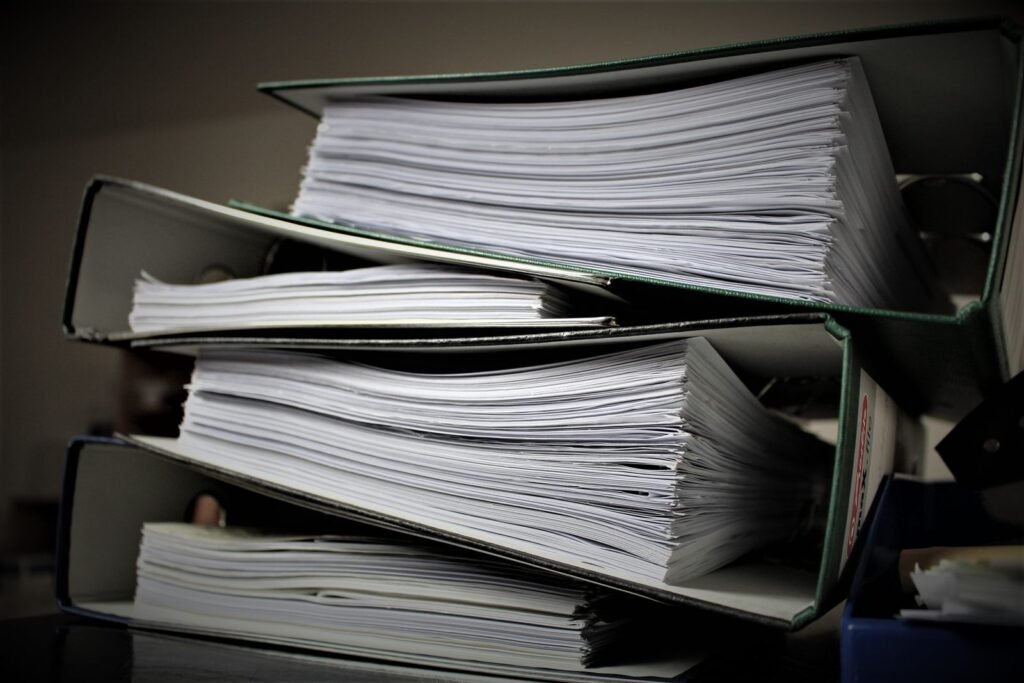
What to keep in your file
- The police report number and a copy of the report when it is ready
- Photos of the scene, both cars and your injuries
- The other driver’s name, insurance company and policy number
- Claim numbers and adjuster names for every insurer involved
- Medical records, bills and receipts
- Pay stubs or a letter from your employer about missed work
- Repair estimates, rental receipts and towing bills
Keep a call log
The NAIC suggests keeping detailed records of every conversation with your agent or adjuster, including dates. A simple log can include the date, the person’s name, what was said and any promised follow-up.
Paper or digital
Either works. A folder on your phone or computer is easy to share later. A paper folder may feel easier to manage day to day. What matters is keeping your car accident claim records together and backed up.
What to Do If You Disagree With the Insurer
It is common to disagree with an insurer at some point, whether about fault, repair costs or the value of an injury. A disagreement does not mean your car accident claim is over.
The NAIC offers several suggestions for working through a dispute:
- Ask for explanations in writing. A written explanation helps you understand the insurer’s reasoning.
- Bring in your repair shop. You can ask your auto repairer to take part in discussions about damage.
- Do not feel rushed. The NAIC advises that you should not feel forced to agree to something you are not comfortable with.
- Check your policy. Some policies include an appraisal clause for disputes over the amount of a property damage loss.
- Contact your state insurance department. Consumer services staff there can help if you cannot resolve the issue.
When to get a review
If the dispute involves serious injuries, shared fault, or more than one insurer, a participating law firm may review your car accident claim. Keep in mind that deadlines keep running while you negotiate, so it helps not to wait too long.
Keep your tone calm and factual
Disputes can be frustrating, especially when you are in pain. Short, polite emails that stick to facts tend to work better than angry calls. Attach the records that support your point, and keep a copy of everything you send.
Questions to Ask Before You Settle a Car Accident Claim
Settling usually ends your car accident claim for good. Once you sign a release, you generally cannot ask for more money later, even if your injury turns out to be worse. Before you agree, it helps to pause and ask a few questions.
- Have I finished treatment, or does my doctor expect more care?
- Does the offer cover all my medical bills, including future care?
- Does it include lost wages and any time I will miss in the future?
- Will my health plan or another payer need to be repaid from the settlement?
- Am I being asked to sign a release, and what exactly does it cover?
- Have I checked whether other coverage, such as underinsured motorist coverage, could apply?
If you are unsure about any answer, ask the adjuster for details in writing. You can also ask a participating law firm to look at the offer before you sign anything.
Helping Your Medical Records Tell the Full Story
Medical records are often the most important part of an injury claim. Insurers read them closely. A few simple habits can help your records reflect what really happened.
- Tell each provider it was a car crash. Mention the date and how you were hurt, such as “I was rear-ended at a stoplight.”
- List every symptom. Small problems, like headaches, trouble sleeping or tingling in your hands, can matter later. Mention them even if they seem minor.
- Be honest about past injuries. If you hurt the same body part before, say so. Doctors can note whether the crash made it worse.
- Describe daily limits. Tell your doctor if you cannot lift your child, sit at a desk or drive for long.
- Ask for copies. Request visit summaries and keep them in your file.
These steps are not about exaggerating. They are about making sure your records are complete. Gaps or vague notes are some of the first things an adjuster may point to when reviewing a car accident claim.
Common Terms in a Car Accident Claim
Insurance letters and adjuster calls use a lot of special words. Here is a plain guide to terms you may see during a car accident claim.
- Adjuster: The insurance company employee who investigates the claim and decides what to offer.
- Liability: Legal responsibility for causing the crash.
- Policy limits: The most an insurance policy will pay for a covered claim.
- Demand letter: A letter that lays out your losses and asks the insurer to pay a set amount.
- Release: A document you sign when you settle. It usually ends your right to make further claims about the crash.
- PIP (personal injury protection): Coverage used in no-fault states that pays some medical bills and lost wages regardless of fault.
- UM/UIM: Uninsured and underinsured motorist coverage, which can help when the at-fault driver has no insurance or not enough.
- Comparative negligence: A rule that can reduce your recovery based on your share of fault.
- Statute of limitations: The legal deadline to file a lawsuit. It varies by state and claim type.
- Total loss: When repairing a car would cost more than it is worth, so the insurer pays its value instead.
If an adjuster uses a word you do not understand, ask them to explain it. Understanding the language makes it easier to follow every step of your car accident claim.
Car accident claim: frequently asked questions
Is it too late if I already made one of these mistakes?
Not necessarily. Many claims move forward after a delay in treatment or an early statement. A participating law firm can review what happened and explain your options.
Should I talk to the other driver’s insurance company?
You can report basic facts, but you are generally not required to give them a recorded statement. It may help to understand your rights first.
How do I know if a settlement offer is fair?
It depends on your injuries, costs, future care, fault and insurance limits. No one can promise a specific amount. A firm may review your records and discuss the factors involved.
Do I need to keep receipts?
Yes. Keep receipts for prescriptions, medical equipment, travel to appointments and other crash-related costs. They help document your losses.
How Direct2Attorney can help
Avoiding common car accident claim mistakes is easier with guidance. Direct2Attorney can connect you with a participating law firm that may review your situation for free. Visit our motor vehicle accident page to learn more and see if you may qualify.
Direct2Attorney is a legal marketing and referral service, not a law firm. This article is general information, not legal advice. Submitting information does not create an attorney-client relationship.