
In this article (13 sections)
- Before any lawsuit: the insurance claim stage
- The demand and negotiation stage
- Filing the lawsuit
- Discovery: exchanging information
- Resolving the case
- How long does the process take?
- Common Mistakes During the Motor Vehicle Accident Lawsuit Steps
- Understanding Damages in a Car Accident Claim
- Special Situations That Can Change the Steps
- What the Motor Vehicle Accident Lawsuit Steps Can Look Like Over Time
- Questions to Ask a Law Firm About Your Case
- Motor vehicle accident lawsuit steps: frequently asked questions
- How Direct2Attorney can help
Last updated: October 2026
A motor vehicle accident lawsuit usually follows a set path: medical care and evidence gathering, an insurance claim, a demand and negotiation, and, only if the claim does not settle, filing a complaint in court. Most car accident claims are resolved before trial, but knowing each step helps you understand where your case stands. Deadlines and procedures vary by state and claim type. Below, we walk through the motor vehicle accident lawsuit steps one at a time, then cover common mistakes, damages and special situations that can change the path.
This guide is a plain-English overview of the motor vehicle accident lawsuit steps, from the crash to a possible trial.
Before any lawsuit: the insurance claim stage
Most crash cases start as insurance claims, not lawsuits. That stage lays the groundwork for everything that follows.
Step 1: Get medical care and document injuries
Your health comes first. Prompt care also creates a record that links your injuries to the crash. The CDC notes that some concussion symptoms may not appear for hours or days, so follow-up visits matter too.
Step 2: Report the crash and gather evidence
- Get the police report number and request a copy.
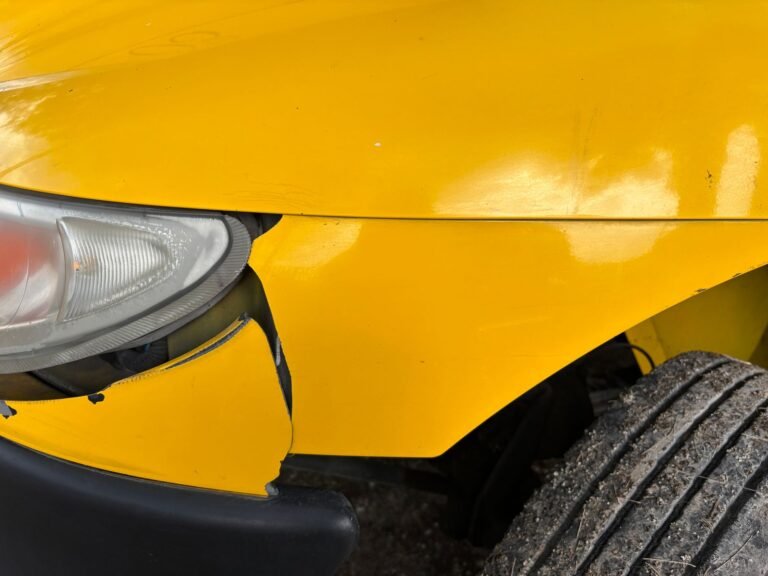
- Photograph the vehicles, scene and injuries.
- Collect witness names and contact details.
- Save repair estimates, medical bills and pay records.
- Ask nearby businesses about camera footage before it is overwritten.
Step 3: Open insurance claims
Report the crash to your own insurer, as your policy likely requires. In the dozen no-fault states listed by the Insurance Information Institute, your personal injury protection (PIP) usually pays medical bills and some lost wages first. In at-fault states, a claim is typically made against the other driver’s liability insurance.
The demand and negotiation stage
Step 4: Reach a clearer medical picture
Many firms wait until an injured person has finished treatment, or until doctors can predict future care, before valuing a claim. Settling too early can leave future costs uncovered.
Step 5: Send a demand package
A demand package usually includes a summary of the crash, medical records and bills, proof of lost income and a request for a specific amount. The insurer then reviews the claim and may accept, reject or counter.
Step 6: Negotiate
Back-and-forth offers are normal. Negotiations may take weeks or months. If the insurer will not make a fair offer, or the filing deadline is getting close, a lawsuit may be the next step.
Filing a lawsuit does not end settlement talks. Negotiations often continue while the case moves through court, and many claims settle after a complaint is filed but well before trial. For some insurers, a filed case is a signal that the claim will be pursued seriously.

Filing the lawsuit
Step 7: Check the deadline
Every state has a statute of limitations for injury lawsuits. Deadlines vary by state and claim type. Claims against a government agency often require a formal notice much sooner than the lawsuit deadline. Missing a deadline can end a claim, so this step comes early in practice even though it is listed here.
Step 8: File the complaint
The lawsuit begins when the injured person, called the plaintiff, files a complaint in court. The federal judiciary explains that a complaint describes the plaintiff’s injury, explains how the defendant caused the harm, shows the court has jurisdiction and asks for relief. Most car accident cases are filed in state court, but the basic idea is similar.
Step 9: Serve the defendant
The defendant must be formally notified, or “served,” with the complaint. The defendant then has a set time to file an answer. In most car crash cases, the at-fault driver’s insurance company provides and pays for the defense lawyer.
Discovery: exchanging information
Step 10: Written discovery and records
Both sides exchange information. This may include written questions, requests for documents, medical records, phone records and vehicle data. Discovery is often the longest part of a case.
Step 11: Depositions
A deposition is sworn testimony taken outside of court. The federal courts describe it as requiring a witness to answer questions about the case before trial, with a court reporter recording what is said. Drivers, witnesses, police officers and doctors may be deposed.
Step 12: Medical exams
The defense may ask the injured person to see a doctor of its choosing. Rules for these exams vary by state.
During discovery, it is important to keep going to medical appointments and to stay consistent in what you tell doctors and the other side. Gaps or contradictions can be raised later. Your firm can explain what to expect before each step, including how to prepare for a deposition.
Resolving the case
Step 13: Mediation or settlement talks
Courts often encourage the parties to settle. Mediation uses a neutral third party to help both sides reach an agreement. Many cases settle at this stage or shortly before trial.
Step 14: Trial
If the case does not settle, it goes to trial. Each side presents evidence and witnesses. In a civil case, the plaintiff generally must prove the claim by a “preponderance of the evidence,” meaning it is more likely than not. A judge or jury decides fault and damages.
How shared fault can affect the result
If the injured person is found partly at fault, many states reduce the recovery. Cornell’s Legal Information Institute explains that Alabama, Maryland, North Carolina, Virginia and the District of Columbia follow contributory negligence, where even slight fault can bar recovery, while most states use a form of comparative fault.
Step 15: After the verdict or settlement
A settlement usually involves signing a release. Before money is paid out, liens from health insurers, medical providers or government programs may need to be resolved. After a trial, either side may be able to appeal.
How long does the process take?
There is no standard timeline. A claim with clear fault and minor injuries may settle within months. A disputed case that goes through discovery and trial can take a year or more. Factors that affect timing include:
- How long medical treatment lasts
- Whether fault is disputed
- How many parties and insurers are involved
- The court’s schedule in your area
- Whether an appeal is filed after trial
Your firm can usually give a rough sense of timing once it knows the facts, but even that can change as a case develops.
Common Mistakes During the Motor Vehicle Accident Lawsuit Steps
Knowing the motor vehicle accident lawsuit steps is only half the picture. Small missteps along the way can make a claim harder to prove or lower what an insurer is willing to offer. Here are some of the most common ones, and what to do instead.

Giving a recorded statement too soon
The other driver’s insurer may call and ask to record your account of the crash. You are usually not required to give one to the other side’s insurer. Statements made while you are in pain or still learning about your injuries can be used later to question your claim. It is fine to say you will respond after you have more information or have spoken with a law firm.
Your own insurance policy may require you to cooperate with your insurer, which is different. Read your policy or ask your agent what it requires.
Signing forms without reading them
Insurers may send medical authorizations or release forms. A broad authorization can give access to years of unrelated medical history. A release may end your claim for good. Read every form carefully, and ask questions before signing.
Gaps in medical treatment
Missing appointments or waiting weeks to see a doctor can lead an insurer to argue that your injuries were minor or caused by something else. Follow your treatment plan, and if you must stop or change care, write down why.
Posting on social media
Photos and posts can be taken out of context. A picture of you smiling at a family event may be used to suggest you are not really hurt. Consider pausing posts about the crash, your injuries and your activities until your claim is resolved.
Fixing or selling the car too fast
Your vehicle can be evidence. Before repairs, take clear photos of all damage, inside and out. If injuries are serious, ask a law firm whether the vehicle should be inspected first.
Accepting the first offer
Early offers sometimes come before the full cost of care is known. Once you accept and sign a release, you usually cannot ask for more later, even if your injuries turn out to be worse.
Understanding Damages in a Car Accident Claim
Damages are the losses a person may be able to recover. Understanding them helps you know what records to keep as you move through the motor vehicle accident lawsuit steps.
Economic damages
These are losses with a clear dollar value:
- Past and future medical bills, including therapy and prescriptions.
- Lost wages and lost earning ability.
- Property damage, such as vehicle repair or replacement.
- Out-of-pocket costs, such as rides to appointments or help at home.
Non-economic damages
These are harder to put a number on, but they are real:
- Physical pain and suffering.
- Emotional distress, such as anxiety or trouble sleeping after the crash.
- Loss of enjoyment of daily activities and hobbies.
Some states limit certain types of damages in some cases, and no-fault states may limit when you can sue for pain and suffering. Rules vary by state and claim type.
Taking reasonable steps to limit losses
In many states, an injured person is expected to take reasonable steps to limit their losses. This is sometimes called the duty to mitigate. In practice, it can mean following medical advice, going back to work when your doctor says you are able, and getting repairs estimated in a timely way. If you cannot follow a treatment plan because of cost, transportation or another reason, write that down. A firm can explain how these rules work where you live.
How to track your losses
Keep a simple folder or notebook with:
- Every medical bill and explanation of benefits.
- Pay stubs and a note from your employer about missed work.
- Receipts for costs related to the crash.
- A short journal describing your pain, limits and how the injury affects daily life.
A journal written at the time often carries more weight than memories pieced together months later.
Special Situations That Can Change the Steps
Not every crash follows the standard motor vehicle accident lawsuit steps. Some situations add steps, involve different insurers or bring shorter deadlines.

Uninsured and underinsured drivers
According to the Insurance Information Institute, the Insurance Research Council estimates that 15.4 percent of motorists, or more than one in seven drivers, were uninsured in 2023. If the at-fault driver has no insurance, or not enough, your own uninsured or underinsured motorist (UM/UIM) coverage may help. Claims against your own insurer still follow many of the same motor vehicle accident lawsuit steps, but your policy may have its own notice rules.
Hit-and-run crashes
Report a hit-and-run to police right away. Many UM policies require a prompt police report. Write down anything you remember about the other vehicle, and ask nearby businesses about video.
Commercial trucks and work vehicles
Crashes with commercial trucks may involve the driver, the trucking company and other businesses. Federal safety rules for truck drivers and companies may also matter. Evidence such as driver logs and vehicle data may be needed, so acting early helps.
Rideshare and delivery drivers
If a rideshare or delivery driver was involved, which insurance applies may depend on whether the app was on and whether a trip was in progress.
Government vehicles or road defects
If a city bus, public employee or road condition played a role, special notice rules often apply. These deadlines can be much shorter than the usual lawsuit deadline.
Crashes in another state
If you were hurt while traveling, the laws of the state where the crash happened may apply. That can change fault rules and deadlines. A firm can explain which state’s rules may control.
When a loved one dies
If a crash takes a family member’s life, relatives or the estate may be able to bring a wrongful death claim. These claims have their own rules about who can file and when. The motor vehicle accident lawsuit steps are similar, but deadlines and damages can differ.
What the Motor Vehicle Accident Lawsuit Steps Can Look Like Over Time
There is no fixed calendar, but it can help to picture how the motor vehicle accident lawsuit steps often unfold. The example below is general. Your own case may move faster or much slower.
The first days
- Medical care, a police report and photos of the scene and vehicles.
- Notice to your own insurer, and possibly a call from the other driver’s insurer.
- Saving receipts, bills and contact details for witnesses.
The first weeks and months
- Ongoing treatment and follow-up visits.
- Insurance claims opened, and property damage often handled first.
- Gathering records, such as medical bills, wage loss and the police report.
After treatment ends or stabilizes
- A demand package is prepared and sent.
- Back-and-forth negotiation with the insurer.
- A decision about whether to file a lawsuit if talks stall or a deadline is near.
If a lawsuit is filed
- Filing and service of the complaint.
- Discovery, depositions and possibly a defense medical exam, which can take many months.
- Mediation or settlement talks, often more than once.
- Trial, only if the case still has not settled.
Treatment length is often the biggest factor in timing. Many people find it reassuring to know that a slow stretch does not mean their claim has stalled. It is often part of the normal motor vehicle accident lawsuit steps.
Questions to Ask a Law Firm About Your Case
A first conversation with a participating law firm is a chance to understand your options. These questions can help:
- Which of the motor vehicle accident lawsuit steps is my claim in right now?
- What deadline applies to my claim, and are there any notice rules?
- Which insurance policies may apply, including my own UM/UIM coverage?
- Should I talk to the other driver’s insurer, or let the firm handle it?
- What records should I keep or request?
- How will medical liens or health insurance repayment affect a settlement?
- How often will I get updates?
Bring these to your first call
- The police report number or copy.
- Photos of the crash scene, vehicles and injuries.
- Insurance information for all drivers involved.
- Medical records and bills you have so far.
- Any letters or forms from insurance companies.
You do not need to have everything. Start with what you have, and a firm can explain what else may help. Understanding the motor vehicle accident lawsuit steps, and avoiding common mistakes, can help you protect your claim while you focus on healing.
Motor vehicle accident lawsuit steps: frequently asked questions
Do most car accident cases go to trial?
No. Most are resolved through insurance claims or settlement. Trial is usually a last resort.
Do I have to file a lawsuit to get compensation?
Not always. Many claims settle with insurers without a lawsuit. A lawsuit may be needed if negotiations stall or a deadline approaches.
Who pays for the other driver’s defense?
In most cases, the at-fault driver’s insurer provides a defense lawyer under the policy.
When should I talk to a law firm?
Earlier is usually helpful, since evidence fades and deadlines vary by state. Requesting a review through Direct2Attorney is free.
How Direct2Attorney can help
Understanding the motor vehicle accident lawsuit steps can make the process less stressful. Direct2Attorney can connect you with a participating law firm that may review your case and explain what filing would involve where you live. Visit our motor vehicle accident page to see if you may qualify.
Direct2Attorney is a legal marketing and referral service, not a law firm. This article is general information, not legal advice. Submitting information does not create an attorney-client relationship.