

In this article (13 sections)
- Can you sue over Depo-Provera and brain tumors?
- “Risk” versus an actual diagnosis
- Why these lawsuits were filed
- What changed from 2025 to 2026
- Can you still sue now that there is a settlement?
- Deadlines and other limits
- What to gather before a case review
- Understanding the Words in Your Meningioma Records
- How Treatment Choices Can Shape a Depo-Provera Brain Tumor Lawsuit
- Questions to Ask About the Settlement Program
- Talking With Your Doctor About Depo-Provera and Meningioma
- Depo-Provera brain tumor lawsuit: frequently asked questions
- How Direct2Attorney can help
Last updated: October 2026
You may be able to sue over Depo-Provera if you used the shot and were later diagnosed with a meningioma, a tumor that grows around the brain or spinal cord. Thousands of women have filed these claims, and the federal cases are combined in MDL 3140. An increased risk alone, without a diagnosis, usually is not enough for an injury lawsuit. If you are weighing a Depo-Provera brain tumor lawsuit, it also helps to understand your medical records, your treatment choices and the questions to ask about the settlement.
This post answers the question in the title: can you sue, and what does a Depo-Provera brain tumor lawsuit require? It also covers what changed between 2025 and 2026.
Can you sue over Depo-Provera and brain tumors?
In general, a product injury claim needs three things. You must show you used the product, that you were harmed, and that the harm is connected to something the company did wrong. For Depo-Provera, that usually means:
- Use: Records showing you received Depo-Provera or a related medroxyprogesterone acetate injection.
- Injury: A diagnosis of meningioma, usually confirmed by imaging and sometimes by pathology.
- A legal theory: Most claims say Pfizer failed to warn U.S. doctors and patients about the risk.
The federal court has required plaintiffs to submit proof of use and proof of injury since early 2025, under Pretrial Order No. 17. A participating law firm can tell you whether your records may meet those standards.
“Risk” versus an actual diagnosis
The title of this post asks about brain tumor risks. It is an important distinction.
Injury lawsuits are about harm that has already happened. If you used Depo-Provera but have no tumor, you generally would not have a personal injury claim today. Your health is still worth watching, and you can talk with your doctor about the updated warning.
If you have symptoms such as worsening headaches, vision changes, hearing loss or seizures, see a doctor. Our post on meningioma symptoms that warrant an MRI explains when to ask about imaging.

Why these lawsuits were filed
The claims rest largely on science published in 2024. A French study in the BMJ looked at more than 18,000 women who had meningioma surgery. Using injectable medroxyprogesterone acetate for a year or more was linked to about 5.6 times higher odds of that surgery.
Regulators in Europe and Canada added warnings in 2024. In the U.S., the FDA rejected Pfizer’s request to add a meningioma warning that year. The FDA then approved a U.S. label warning in December 2025, as NBC News reported.
Plaintiffs say Pfizer should have warned U.S. patients much earlier. Pfizer denies the claims and argues that the FDA’s earlier rejection blocks them under federal law.
What changed from 2025 to 2026
The Depo-Provera brain tumor lawsuit moved quickly. Here are the major updates.
2025: the MDL forms
- February 2025: The Judicial Panel on Multidistrict Litigation centralized the federal cases before Judge M. Casey Rodgers in the Northern District of Florida.
- Spring 2025: The court set rules requiring early proof of use and injury.
- Fall 2025: The court allowed a limited exception for some women whose use was before June 2005 and whose records no longer exist.
- Late 2025: The court heard Pfizer’s preemption argument. The FDA then approved the new warning in December.
2026: toward settlement
- June 2026: Pfizer said it reached an agreement in principle with plaintiff leadership, according to legal news reports. The December 2026 trial was removed from the calendar.
- July 21, 2026: A Master Settlement Agreement was signed, according to the court’s Case Management Order No. 12.
- August–September 2026: The court appointed a settlement administrator and other administrators to run the program.
The court’s order says the agreement is confidential and covers a majority of federal and New York state court claims. About 80% of current MDL plaintiffs are expected to be eligible. No amounts have been made public.
Can you still sue now that there is a settlement?
A settlement does not automatically close the door to new claims. Whether a new claimant can join the program depends on eligibility rules in the private agreement. Those rules have not been published.
People who are not eligible, or who choose not to join, can keep litigating. The court has said it will still rule on preemption and on the plaintiffs’ scientific evidence for those cases. Under Pretrial Order No. 30A, those cases are bound by the court’s rulings on that science.
Some women file in state court instead. State cases are pending in Delaware, New York, California, Minnesota and other states, according to the court’s July 2026 order.
Deadlines and other limits
Every state sets a time limit, called a statute of limitations, for injury claims. These deadlines vary by state and claim type. In some states, the clock starts when you learned of your injury or its possible cause.
Other factors may affect whether you can sue:
- Whether you have records of use, or can show you tried to get them.
- The type of meningioma and the treatment you needed.
- Other medical history that could explain the tumor.
- Where you live and where you received the shots.
An attorney can look at these details. That is why getting a review sooner, rather than later, can help.
What to gather before a case review
You do not need a perfect file to ask for a review. But a few documents can make the conversation faster and more useful.
- A list of clinics, doctors or pharmacies where you got the shot, with rough years.
- Any records you already have that mention Depo-Provera.
- Your MRI or CT report showing the meningioma.
- Pathology, surgery or radiation records, if you had treatment.
- The date you were first told about the tumor.
- Health insurance information for the years you used the shot.
If you are missing records, that is common. Our guide on proving years of Depo-Provera use explains how to request them and what to do if a clinic has closed.
Understanding the Words in Your Meningioma Records
Medical reports can be hard to read, especially right after a diagnosis. Knowing a few common terms can help you talk with your doctors. It can also help a law firm review a Depo-Provera brain tumor lawsuit more quickly.

MRI, with or without contrast
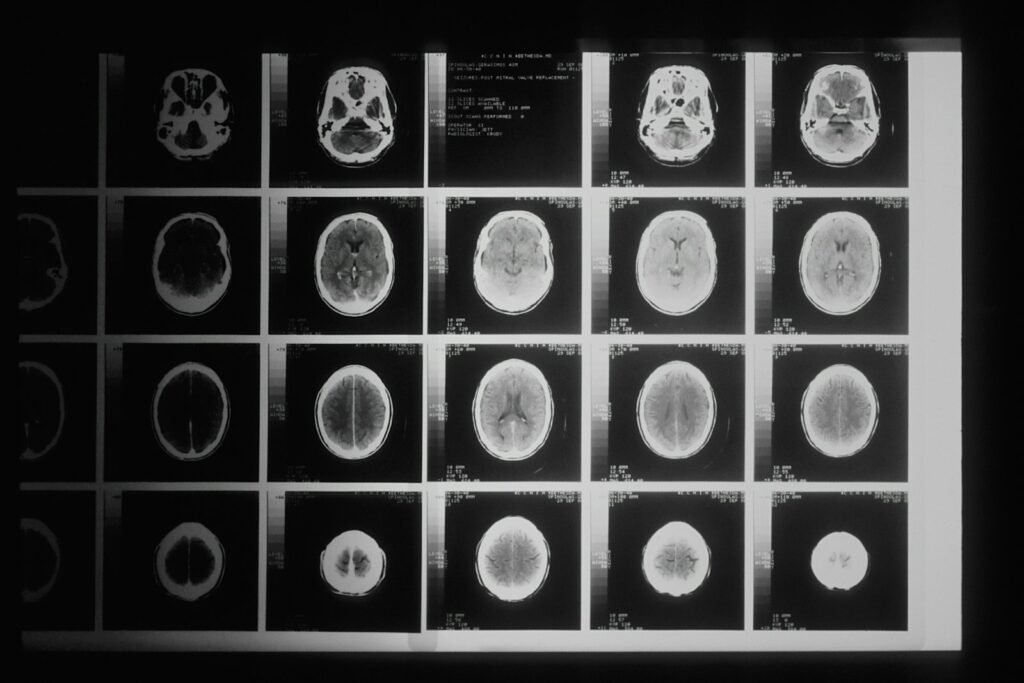
According to Mayo Clinic, a brain MRI is the preferred imaging test for seeing a meningioma and how it affects nearby tissue. Some scans use a contrast dye to make the tumor easier to see. Your radiology report will usually describe the tumor’s size and location.
Neurological exam
Before imaging, doctors often check vision, hearing, balance and coordination. Notes from this exam can show which symptoms led to testing.
Biopsy and pathology
If tissue is removed, a lab studies the cells. The pathology report confirms the type of tumor. Mayo Clinic explains that the lab assigns a grade using the World Health Organization system.
Tumor grade
- **Grade 1:** cells look more organized and usually grow slowly.
- **Grades 2 and 3:** cells are more active or irregular and are more likely to come back after treatment.
Many meningiomas never have a biopsy, especially small ones that are only watched. In those cases, imaging reports are the main proof of diagnosis.
The “impression” section of a report
Most radiology and pathology reports end with a short summary, often called the impression or conclusion. This is where the doctor states the main finding in plain terms, such as the likely diagnosis. If you only have time to read one part, read this section and ask your doctor about anything unclear.
Getting copies of your scans
You can usually ask the imaging center or hospital for copies of your reports and the images themselves, often on a disc or through a patient portal. Keep these with your other records. A law firm reviewing a Depo-Provera brain tumor lawsuit may ask for the reports first and the images later.
Words for treatment
- **Observation, or watchful waiting:** regular scans to check whether a small, slow-growing tumor changes.
- **Craniotomy:** surgery that opens part of the skull to remove the tumor.
- **Stereotactic radiosurgery:** a focused form of radiation, often used for small tumors or leftover cells.
- **Fractionated radiotherapy:** radiation given in smaller doses over many sessions.
How Treatment Choices Can Shape a Depo-Provera Brain Tumor Lawsuit
Your treatment should be based only on what you and your doctors think is right for your health. But the treatment you receive is also part of your medical history. In a Depo-Provera brain tumor lawsuit, that history helps show the harm you experienced.
If your tumor is being watched
Some women are told their meningioma is small and does not need treatment right now. That can be a relief, but it can also bring worry. Keep every scan report and visit note. A watched tumor is still a diagnosis, and changes over time may matter to a claim.
If you had surgery
Surgery often creates a detailed paper trail, including an operative report, pathology report and hospital records. Recovery notes, therapy records and time off work can help show how the surgery affected your life.
If you had radiation
Radiation records show how many sessions you had and any side effects. Keep follow-up imaging reports, since doctors usually monitor for changes after treatment.
Costs to keep track of
Treatment for a meningioma can bring many costs, some of which are easy to forget. Consider keeping a simple list of:
- Imaging, doctor visits and hospital bills, including what insurance paid and what you paid.
- Prescriptions, such as seizure or steroid medicines.
- Travel, parking and lodging for treatment far from home.
- Physical, occupational or speech therapy after surgery.
- Lost wages, used sick days or reduced hours.
- Help at home, such as child care or meal support during recovery.
Keep receipts in one folder. Even if you never file a claim, these records can help with insurance appeals and tax questions.
Second opinions
Many people seek a second opinion before brain surgery or radiation. That is a normal part of care. Keep records from every doctor you see, including those who recommended a different approach. All of these records can be part of your history if you pursue a Depo-Provera brain tumor lawsuit.
Track the effects on daily life
Beyond medical records, write down how the tumor and treatment changed your days. That may include headaches, vision or hearing changes, seizures, fatigue, memory problems, missed work or help you needed at home. Notes like these can support a Depo-Provera brain tumor lawsuit, because records alone do not always show the full impact.
Questions to Ask About the Settlement Program
The court has described a confidential settlement agreement, and its eligibility rules have not been published. That means you will likely need a law firm’s help to understand how the program may apply to you. Here are questions that may help.
About eligibility
- Does my diagnosis and treatment appear to fit the program’s requirements?
- Do my records of use and injury meet the court’s proof requirements?
- Does it matter when or where I received the shots?
- Is there a deadline to enroll, and how will I know about it?
About choices
- What happens if I decide not to join the program?
- If I keep litigating, how could the court’s rulings on science and preemption affect my case?
- Would a state court case be an option for me instead?
About payment and privacy
- How would health insurance or government benefit liens be handled?
- How are fees and case costs taken out of any payment?
- What information about me would be shared with administrators?
Write down the answers and the date you received them. A Depo-Provera brain tumor lawsuit can involve several decisions over time, and clear notes can help you keep track.
Common mistakes to avoid
- **Assuming you are automatically included.** Settlement programs usually require people to take steps, such as submitting records and forms.
- **Missing mail or emails.** If you have a law firm, keep your contact details current with them.
- **Signing without understanding.** Read any release closely and ask what rights you would give up.
- **Paying anyone to “enroll” you.** Be cautious of calls or messages asking for money to join a program.
- **Throwing away records.** Even after a claim is filed, keep copies of your medical and pharmacy records.
Staying organized can make the settlement process, or any continued Depo-Provera brain tumor lawsuit, less stressful.
Talking With Your Doctor About Depo-Provera and Meningioma
Medical questions and legal questions are separate. Your doctor’s role is your health, not your claim. Still, open conversations can help on both fronts.
Questions you might ask
- Should I keep using Depo-Provera, or consider another birth control method?
- How often should I have follow-up imaging?
- Which symptoms should prompt me to call right away?
- Do I need to see a neurologist or neurosurgeon?
Do not stop or change any medicine without talking with your provider first. Your doctor can explain the updated label warning and what it may mean for you.
Bring your injection history
List the clinics and years you received the shot, as the article suggests. Sharing this with your doctor creates a record that you reported long-term use. It can also help if records from an old clinic are hard to find later.
Caring for yourself after a diagnosis
Hearing that you have a tumor near the brain can be frightening, even when doctors say it is not cancer. It is normal to feel anxious, angry or overwhelmed. Some women also feel guilt about using a medicine they trusted.
Give yourself time. Support groups for people with brain tumors, counseling and honest talks with loved ones can all help. Taking care of your health comes first, and questions about a Depo-Provera brain tumor lawsuit can come when you feel ready. Just keep in mind that filing deadlines still apply, so a short call with a law firm early on can protect your options.
For family members
If a loved one has a meningioma, you can help by driving to appointments, taking notes or keeping a folder of records. If your loved one has died, the article explains that some family members may have claims. A participating law firm can review whether a Depo-Provera brain tumor lawsuit may be possible in that situation.
Depo-Provera brain tumor lawsuit: frequently asked questions
Can I sue if I only used Depo-Provera for a short time?
The BMJ study linked higher risk to use of a year or more, and it found no significant link with short-term use. Each case is different, so a participating law firm may still review your history.
Can I sue if my meningioma was not cancer?
Most meningiomas are not cancer. The lawsuits are about meningioma, whether or not it is cancerous. The type and treatment of your tumor may matter to your claim.
Can family members sue?
In some cases, family members may have claims, such as after a death. The rules vary by state. A participating law firm can explain what applies.
How much does it cost to talk to a firm?
Many firms offer a free case review. Ask any firm to explain its fee agreement in writing before you sign.
How Direct2Attorney can help
If you are asking whether you can sue over Depo-Provera, the next step is a review of your records. Direct2Attorney can connect you with a participating law firm that may review your Depo-Provera brain tumor lawsuit questions and explain your options. Start on our Depo-Provera lawsuit page, or read our MDL 3140 explainer.
Direct2Attorney is a legal marketing and referral service, not a law firm. This article is general information, not legal advice. Submitting information does not create an attorney-client relationship.