

In this article (13 sections)
- The Depo-Provera lawsuit in brief
- MDL 3140: how the federal case is organized
- The FDA warning
- The global settlement
- What happens to cases outside the settlement
- Key dates at a glance
- What Case Management Order 14 Means for a Depo-Provera Lawsuit
- How a Depo-Provera Lawsuit Moves Through the Settlement Program
- Records That Support a Depo-Provera Lawsuit
- Plain-English Glossary for the Depo-Provera Lawsuit
- Mistakes to Avoid and Questions to Ask About a Depo-Provera Lawsuit
- Frequently asked questions
- How Direct2Attorney can help
Last updated: October 2026
The Depo-Provera lawsuit claims that Pfizer failed to warn U.S. patients that long-term use of its birth control shot could raise the risk of meningioma, a tumor around the brain or spinal cord. The federal cases are combined in MDL 3140 in Florida. In December 2025 the FDA approved a meningioma warning, and in July 2026 the parties signed a confidential global settlement agreement. For anyone weighing a Depo-Provera lawsuit now, newer court orders also set a November 30, 2026 settlement registration deadline and stricter rules for cases that stay in court.
This explainer puts the three big pieces in one place: the MDL, the FDA warning and the settlement. It is meant as a map of the case, not legal advice.
The Depo-Provera lawsuit in brief
Depo-Provera is an injection of medroxyprogesterone acetate, a synthetic form of the hormone progesterone. It is usually given every three months to prevent pregnancy. Pfizer makes the brand-name product.
The lawsuits say Pfizer knew or should have known of a meningioma risk and did not warn U.S. doctors and patients in time. Pfizer denies the claims and says it stands behind the drug’s safety and effectiveness.
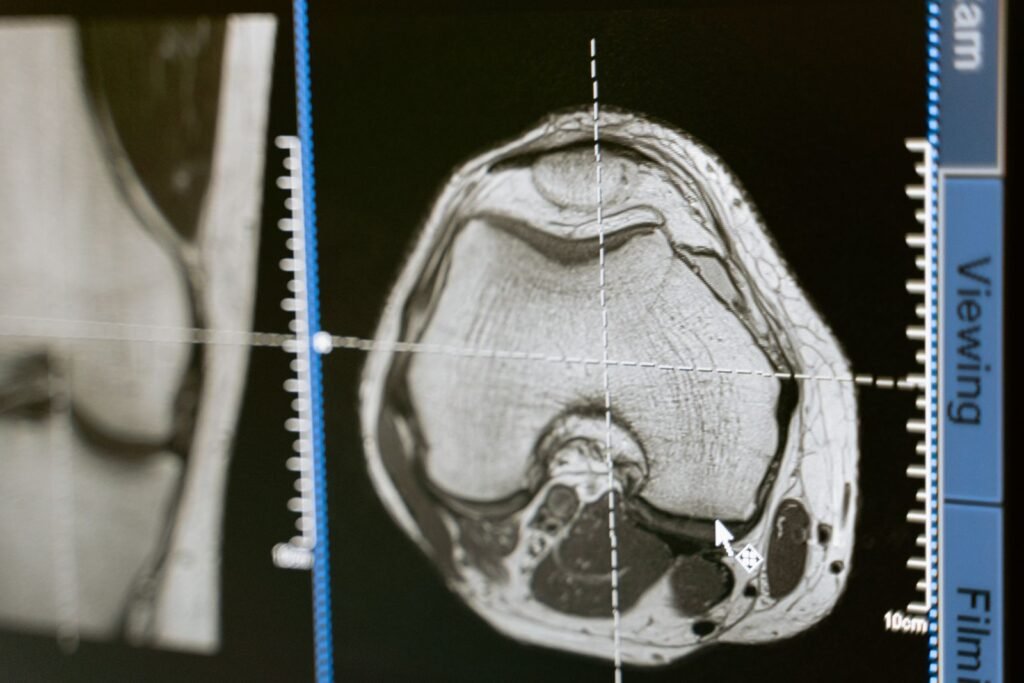
Key science came from a 2024 French study in the BMJ. It found that using injectable medroxyprogesterone acetate for a year or more was linked to about 5.6 times higher odds of surgery for an intracranial meningioma. The absolute risk remains low, but the finding drew wide attention.
MDL 3140: how the federal case is organized
In February 2025, the Judicial Panel on Multidistrict Litigation centralized the federal cases in the Northern District of Florida. The case is In re Depo-Provera (Depot Medroxyprogesterone Acetate) Products Liability Litigation, MDL No. 3140. U.S. District Judge M. Casey Rodgers presides.
An MDL is not a class action. Each person keeps an individual lawsuit, but pretrial steps are handled together to save time. The court posts orders and hearing dates on its MDL 3140 page.
The case grew fast. The court reported 6,289 total actions as of late July 2026 in Case Management Order No. 12. Early on, the court required each plaintiff to submit proof of Depo-Provera use and proof of a meningioma diagnosis.
Pilot cases and bellwether trials
In many MDLs, a small group of cases is prepared first. Here the court used “pilot” cases to test the main legal and scientific questions. Early trials, often called bellwethers, show both sides how juries may react to the evidence.
These early steps often shape settlement talks. In this case, the parties reached a deal before any trial took place.
The preemption fight
Pfizer’s main legal defense is preemption. It argues that federal law blocks the failure-to-warn claims because the FDA rejected Pfizer’s request to add a meningioma warning in 2024. If a drug company cannot change its label without FDA approval, the argument goes, it cannot be blamed under state law for not doing so.
Plaintiffs disagree. The court heard arguments in 2025 and later asked for more briefing after the FDA acted. It has not issued a final preemption ruling for the cases that remain.

The FDA warning
The FDA’s position changed in late 2025. In December 2025, the agency approved a label change adding meningioma risk to Depo-Provera and a related product, according to NBC News. Regulators in Europe and Canada had added warnings in 2024.
According to a drug safety summary of the new label, prescribers are told to watch for signs such as headaches, vision changes, hearing loss or ringing in the ears, and seizures. The drug should be stopped if a meningioma is diagnosed.
The warning matters for two reasons:
- For patients: It gives doctors clearer guidance on symptoms to watch for. Our post on meningioma symptoms that warrant an MRI covers this in detail.
- For the lawsuits: Plaintiffs argue it undercuts Pfizer’s claim that a warning was impossible. Pfizer argues the earlier rejection still matters for past years. The court has not resolved this for the remaining cases.
The global settlement
In June 2026, Pfizer said it had reached an agreement in principle with plaintiff leadership, according to legal news reports. The company said the deal includes no admission of liability. The first bellwether trial, which had been set for December 2026, was taken off the calendar.
The court’s July 27, 2026 order confirms that a Master Settlement Agreement was signed on July 21, 2026. According to that order:
- The deal covers a majority of claims in the federal MDL and in New York state court.
- About 80% of current MDL plaintiffs are expected to be eligible.
- The agreement is private and confidential, and no amounts have been made public.
- The court expected registration to be completed by November 2026, with payments expected to begin in early 2027. These are projections, not fixed promises.
In August and September 2026, the court appointed people to run the program. BrownGreer PLC was named settlement administrator and lien resolution administrator. Other orders named a qualified settlement fund administrator and a master for a supplemental compensation fund.
For a closer look at what this means for one person, see our guide on what a global settlement means for an individual claimant.
What happens to cases outside the settlement
Not every case is covered. The court has said it will still decide preemption and the science questions for cases that are ineligible or that opt out. Under Pretrial Order No. 30A, those cases will be bound by the court’s rulings on the plaintiffs’ scientific evidence.
State courts also have their own cases. The court’s July 2026 order listed cases in Delaware, New York, California, Minnesota and several other states. In California, cases are coordinated in Alameda County Superior Court, where the Daily Journal reports a status conference set for October 14, 2026.
Key dates at a glance
- March 2024: BMJ study links prolonged injectable use to higher meningioma odds.
- 2024: FDA rejects Pfizer’s request to add a meningioma warning.
- February 2025: JPML creates MDL 3140 in the Northern District of Florida.
- December 2025: FDA approves a meningioma label change.
- June 2026: Agreement in principle announced; December trial removed.
- July 21, 2026: Master Settlement Agreement signed, per the court.
- December 18, 2026: Next MDL case management conference, per the court’s page.
What Case Management Order 14 Means for a Depo-Provera Lawsuit
After the settlement was signed, the court issued new ground rules. Case Management Order No. 14, signed by Judge Rodgers on August 10, 2026, explains what happens next for each type of Depo-Provera lawsuit in the MDL.
The order sets one date that many people will want to know. The deadline for claimants to register for the settlement program is November 30, 2026. That is a court deadline, so it is worth asking a law firm right away how it applies to you.
The groups the order creates
CMO 14 sorts cases into groups. Knowing the labels can make court updates easier to follow:
- Settlement participants. People who are eligible and choose to take part in the program.
- Non-settling plaintiffs. People who are eligible but decide not to take part.
- Ineligible plaintiffs. People with cases already in the MDL who do not qualify for the program.
- Future filed plaintiffs. People whose cases are filed in, or moved to, the MDL after the order date.
The order calls the non-settling, ineligible and future filed groups “litigating plaintiffs.” Some ineligible cases, such as those with time-limit or latency issues, are handled separately.
Stricter steps for cases that stay in court
A Depo-Provera lawsuit that stays in court now has firm deadlines. Under CMO 14, litigating plaintiffs must send preservation notices within 60 days. These letters tell doctors, clinics and some others to keep the person’s records.
Within 90 days, litigating plaintiffs must also serve:
- A verified fact sheet about their history and injury
- Proof of Depo-Provera use, with a signed declaration
- Complete medical records
- Reports from qualified doctors or scientists giving an opinion on causation
The order says cases that do not comply, and do not fix the problem after a warning from the court, will be dismissed with prejudice. That means the case cannot be brought again.
The administrative docket
The court also set up an administrative docket for people taking part in the settlement. According to the order, only settlement-eligible plaintiffs with engagement letters signed by June 11, 2026, may file there. Anyone who hired a firm later should ask how the rules apply to their Depo-Provera lawsuit.
How a Depo-Provera Lawsuit Moves Through the Settlement Program
The terms of the deal are confidential, so no one outside the program can list every rule. But most mass tort settlement programs follow a similar path. Here is a general picture of how a Depo-Provera lawsuit may move through one.
- Registration. Your law firm registers your claim with the program before the deadline.
- Eligibility review. The settlement administrator checks whether the claim meets the program’s rules.
- Documentation. Proof of use and proof of diagnosis are reviewed. Missing papers can slow things down.
- Lien resolution. Health plans that paid for your care may have a right to be repaid from any award.
- Release and payment. If you accept an offer, you usually sign a release. Payments follow once the program allows it.
The court’s earlier order projected payments starting in early 2027. That is a projection, not a promise. Timelines in any Depo-Provera lawsuit settlement can shift.
If Medicare paid for your care
Medicare sometimes pays medical bills that may later be covered by a settlement. Medicare explains that these “conditional” payments must be repaid when a settlement is made. A pending liability case must be reported to its Benefits Coordination & Recovery Center at 1-855-798-2627.
In this case, the court named BrownGreer PLC as lien resolution administrator. Your law firm can explain how Medicare, Medicaid or private insurance claims will be handled for your Depo-Provera lawsuit.
Deciding whether to take part
Joining a settlement program is a personal choice. Staying in court means meeting the stricter CMO 14 steps, including causation reports. Leaving the program is not a promise of a better or worse result.
A participating law firm may review your records and explain the tradeoffs. Take your time to understand any paper before you sign it.
Records That Support a Depo-Provera Lawsuit
Whether a claim settles or stays in court, the same two questions come up. Can you show you used Depo-Provera, and can you show a meningioma diagnosis? Good records answer both.

Proof of use
- Clinic or doctor records showing each injection
- Pharmacy records, if the shot was filled at a pharmacy
- Health insurance claims or explanation of benefits statements
- Medicaid or public clinic records, if you received care that way
- Notes from family planning or student health centers
Proof of diagnosis and treatment
- MRI or CT reports that first showed the tumor
- Neurology, neurosurgery or oncology notes
- Operative and pathology reports, if you had surgery
- Radiation therapy records, if any
- Follow-up scan reports
You have a federal right to copies of most of your medical records. Under HIPAA rules, providers generally must act on a request within 30 days, with one possible 30-day extension. Ask for the full chart, not just a summary.
If a clinic has closed
Many women got the shot at clinics that later closed, merged or changed names. Write down the clinic name, city and years anyway. Records often move to another health system or a storage company, and a firm may know how to find them.
Old photos of appointment cards, calendar reminders or texts about shot dates can also help fill gaps until official records arrive.
Keep a simple tracker
A one-page list can save time for any firm reviewing a Depo-Provera lawsuit. Note each clinic, the years you went there, the date you asked for records and the date they arrived. Add the date you were told about the tumor, since deadlines may depend on it.
Plain-English Glossary for the Depo-Provera Lawsuit
Court orders in this case use a lot of legal terms. This short glossary may help when you read updates or talk with a firm about a Depo-Provera lawsuit.
- MDL (multidistrict litigation). A way to group many similar federal cases before one judge for pretrial steps. Each person keeps a separate case.
- Master Settlement Agreement. The signed deal between Pfizer and plaintiff leadership that sets up the settlement program.
- Settlement administrator. The company that runs the program, reviews claims and handles paperwork. Here, the court named BrownGreer PLC.
- Lien. A legal right of a health plan or government program to be repaid from an award for care it paid for.
- Fact sheet. A detailed questionnaire about your health, product use and injury, signed under oath.
- Preservation notice. A letter asking doctors, clinics and others to keep your records safe.
- Causation. Whether the drug caused, or helped cause, the injury. It is a central question in any Depo-Provera lawsuit.
- Preemption. Pfizer’s argument that federal drug law blocks state-law warning claims.
- Dismissed with prejudice. A final dismissal. The case cannot be filed again.
- Release. A document you sign to accept a settlement. It usually ends your right to sue over the same injury.
If a word in a letter from the court or a firm is not clear, ask. A participating law firm can explain what each step means for your own Depo-Provera lawsuit before you make any decision.
Where to find official updates
The court posts orders on its MDL 3140 page. News reports and law firm blogs can be helpful, but the court’s own orders are the most reliable source for dates and rules. If something you read online does not match an order, trust the order and ask your firm.
Mistakes to Avoid and Questions to Ask About a Depo-Provera Lawsuit
This case has moved fast. That can create confusion and rushed decisions. A few habits can help protect your options.
Common mistakes
- Waiting until the last week to contact a firm about the November 30, 2026 registration deadline
- Throwing away old insurance statements or clinic letters
- Trusting social media posts that list “average” settlement amounts. The court says the terms are confidential.
- Posting about your health or your case online
- Stopping any medicine without talking with your doctor first
Questions to ask a participating law firm
- Am I likely to be a settlement participant, or could I be in another group under CMO 14?
- Has my claim been registered, and how will you confirm it?
- What records are still missing from my file?
- How will liens from Medicare, Medicaid or my health plan be handled?
- What fees and costs come out of any award, and how are they calculated?
- If I choose not to settle, what will the next 90 days look like?
- What filing deadline applies to me in my state?
Deadlines vary by state and claim type, and the court’s own deadlines also apply. Asking these questions early can help you understand where your Depo-Provera lawsuit stands and what comes next.
Frequently asked questions
Is the Depo-Provera lawsuit a class action?
No. It is a multidistrict litigation, where each person has an individual case. The pretrial steps are handled together by one judge.
Did Pfizer admit fault?
No. Pfizer said the settlement includes no admission of liability or wrongdoing.
How much is the settlement?
The court describes the agreement as confidential. No amounts have been released, and any posted figure is not official.
Can I still join the Depo-Provera lawsuit?
It may be possible, depending on the settlement rules, your records and your state’s deadline. Deadlines vary by state and claim type. A participating law firm may review your situation.
How Direct2Attorney can help
The Depo-Provera lawsuit has moved quickly, from a new MDL to an FDA warning to a signed settlement. If you used Depo-Provera and were diagnosed with a meningioma, Direct2Attorney can connect you with a participating law firm that may review your records. Visit our Depo-Provera lawsuit page to start.
Direct2Attorney is a legal marketing and referral service, not a law firm. This article is general information, not legal advice. Submitting information does not create an attorney-client relationship.