
In this article (16 sections)
- Why Depo-Provera users are watching for meningioma symptoms
- The warning signs on the updated label
- Other meningioma symptoms to know
- When symptoms may warrant an MRI
- Keep a simple symptom diary
- What to expect from a brain MRI
- If your MRI finds a meningioma
- How Depo-Provera Meningioma Symptoms Can Depend on Location
- Why Depo-Provera Meningioma Symptoms Are Easy to Miss
- Understanding Meningioma Grades and Follow-Up
- Questions to Ask Your Doctor About Depo-Provera Meningioma Symptoms
- Preparing a One-Page Symptom Summary
- Living Safely With Symptoms While You Wait for Answers
- How Family Members Can Help Spot Changes
- Depo-Provera meningioma symptoms: frequently asked questions
- How Direct2Attorney can help
Last updated: October 2026
If you use Depo-Provera now, or used it in the past, symptoms like new or worsening headaches, vision changes, hearing loss or ringing in the ears, or a seizure are worth raising with a doctor. Those are the warning signs the updated U.S. label tells prescribers to watch for. A doctor can decide whether an MRI of the brain makes sense for you. Knowing which Depo-Provera meningioma symptoms to track, and how to describe them, can make your next doctor visit more focused and productive.
This post is about Depo-Provera meningioma symptoms and when to ask about imaging. It is not a diagnosis tool. If you have sudden, severe symptoms, call 911 or go to an emergency room.
Why Depo-Provera users are watching for meningioma symptoms
A meningioma is a tumor that grows from the layers of tissue around the brain and spinal cord. Most are not cancer, but they can still press on nearby nerves and brain tissue. Mayo Clinic notes that meningiomas are more common in women, which suggests hormones may play a role.
In 2024, a large French study in the BMJ looked at more than 18,000 women who had surgery for a meningioma. Using injectable medroxyprogesterone acetate, the drug in Depo-Provera, for a year or more was linked to about 5.6 times higher odds of needing that surgery. Short-term use was not linked to higher risk in the study.
That is a relative increase. The absolute risk for any one person is still low. But it is why doctors and patients now pay closer attention.
The warning signs on the updated label
In December 2025, the FDA approved a label change adding meningioma risk to Depo-Provera and a related product, according to NBC News. The agency had turned down an earlier request from Pfizer in 2024.
According to a drug safety summary of the change, prescribers are told to monitor for signs such as:
- Headaches
- Changes in vision
- Hearing loss or ringing in the ears
- Seizures
The same summary says the drug should be stopped if a meningioma is diagnosed. Talk with your doctor before stopping or switching any birth control.

Other meningioma symptoms to know
Symptoms depend on where the tumor sits and how large it is. Many meningiomas grow slowly, so symptoms can creep in over months or years. Mayo Clinic lists symptoms that may include:
- Vision changes, such as blurry or double vision
- Headaches that get worse over time
- Hearing loss or ringing in the ears
- Loss of smell
- Seizures
- Memory problems or trouble finding words
- Weakness or numbness in the arms or legs
The National Cancer Institute adds that some people notice headaches that are worse in the morning, as well as confusion. None of these symptoms prove you have a tumor. Many have common, harmless causes.
When symptoms may warrant an MRI
Only a doctor can decide if you need imaging. Still, it helps to know when to speak up.
Seek emergency care right away if you have
- A first seizure
- A sudden, severe headache unlike any before
- Sudden changes in vision, speech or memory
- Sudden weakness on one side of the body
Make an appointment soon if you notice
- Headaches that keep getting worse over weeks
- Vision or hearing changes that do not go away
- A new loss of smell with no clear cause
- Memory, focus or mood changes others have pointed out
What to tell your doctor
Be specific about your Depo-Provera history. Share when you started, how long you used it, and when you stopped. Mention that the label now includes a meningioma warning. Bring a written list of your symptoms and when each began.
Keep a simple symptom diary
Slow-growing tumors can cause changes that are easy to brush off. A short daily or weekly note can help you and your doctor see a pattern. It also makes a short appointment more useful.
Track these details:
- The date and time each symptom happens
- How long it lasts and how strong it feels, on a scale of 1 to 10
- What you were doing, and anything that made it better or worse
- Any medicine you took for it
- Changes other people notice, such as forgetfulness or trouble with words
If you have headaches, note whether they are worse when you wake up. If your vision changes, note whether it affects one eye or both. Bring the diary, or a photo of it, to your visit.
Also write down your Depo-Provera history in the same place. Include roughly when you started, how often you got the shot, and when you stopped. This helps your doctor weigh your symptoms against your full history.
What to expect from a brain MRI
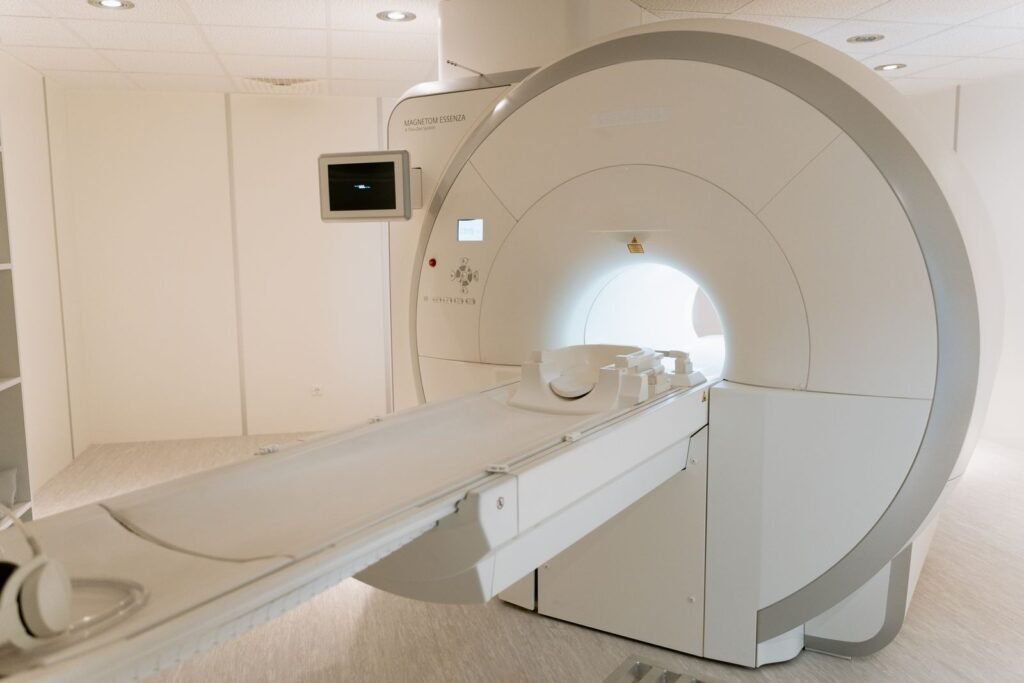
An MRI uses a strong magnet and radio waves to make detailed pictures. It does not use radiation. Many brain MRIs use a contrast dye, given through an IV, which helps some tumors show up more clearly.
The scan often takes 30 to 60 minutes. You lie still on a table that slides into a tube, and the machine is loud. Tell the staff if you have metal in your body, a pacemaker, or feel anxious in tight spaces.
A radiologist reads the images and sends a report to your doctor. If a meningioma is found, next steps may include watching it with repeat scans, surgery or radiation. The right choice depends on the tumor and your health.
If your MRI finds a meningioma
A diagnosis can be frightening, even when the tumor is not cancer. Ask your care team questions and bring someone with you to appointments if you can.
Keep copies of your imaging reports and any pathology results. If you ever look into a legal claim, these records matter. So do your Depo-Provera records, and our guide on proving years of injection history explains how to gather them.
How Depo-Provera Meningioma Symptoms Can Depend on Location
A meningioma causes symptoms by pressing on nearby nerves or brain tissue. That means where it grows shapes what you notice. Two people with Depo-Provera meningioma symptoms can have very different experiences.

The MSD Manual, a widely used medical reference, lists common symptoms of meningiomas by site. Here is a simplified version in plain language:
- Near the front of the brain, above the nose (olfactory groove): Loss of smell, and sometimes vision problems.
- Along the outer surface of the brain (convexity): Seizures, trouble with thinking or memory, and over time, signs of pressure such as headaches.
- Along the midline between the two halves of the brain (parasagittal or falx): Weakness, stiffness or numbness, often in one leg, and changes in thinking.
- Behind the eyes or near the optic nerves (sphenoid wing or tuberculum sellae): Vision loss, double vision, a bulging eye or facial numbness. Tumors on the outer part of the sphenoid wing may cause seizures and headaches.
- At the base of the skull or brainstem area: Trouble with walking or balance, clumsy limbs, hearing changes or facial weakness.
- Near the opening at the base of the skull (foramen magnum): Pain at the back of the head and neck, and weakness that can spread to the arms and legs.
These patterns are general, and Depo-Provera meningioma symptoms can overlap from one area to another. You cannot tell where a tumor is, or whether there is one at all, from symptoms alone. Only imaging can show that.
Why Depo-Provera Meningioma Symptoms Are Easy to Miss
Many meningiomas grow slowly. Depo-Provera meningioma symptoms can build over months or years, so they may not feel like a sudden problem. People often explain them away.
Common reasons symptoms get brushed off
- Headaches are blamed on stress, screens or poor sleep.
- Vision changes are put down to needing new glasses.
- Memory lapses are blamed on being busy or getting older.
- Loss of smell is blamed on allergies or a past cold.
- Mood or personality changes are seen as a rough patch.
All of these explanations may be true. Most of the time, they are. But when symptoms keep getting worse or several show up together, it is worth telling a doctor about your Depo-Provera history.
Small changes add up
One mild symptom may not seem like much. A pattern, such as morning headaches plus blurry vision plus forgetfulness, tells a clearer story. Your symptom diary helps you and your doctor see that pattern instead of each piece on its own.
If you have Depo-Provera meningioma symptoms that are slowly getting worse, do not wait for them to become severe before you speak up.
Understanding Meningioma Grades and Follow-Up
If Depo-Provera meningioma symptoms lead to a scan and imaging shows a possible meningioma, you will hear new terms. Knowing them can make the next conversation with your doctor easier.
The three grades
The National Cancer Institute describes three grades of meningioma used by the World Health Organization:
- Grade 1: The most common type. These are low-grade tumors whose cells grow slowly.
- Grade 2 (atypical): Mid-grade tumors with a higher chance of coming back after removal.
- Grade 3 (anaplastic): Malignant, or cancerous, tumors that grow fast.
How the grade is found
A scan can suggest a meningioma, but the grade usually comes from tissue. NCI says that, if possible, a piece of the tumor is removed during surgery and reviewed by a neuropathologist, a doctor who studies nervous system tissue.
Treatment depends on many factors
NCI notes that treatment choices depend on things like your age, the tumor type and its location, and how much tumor remains after surgery. Options can include surgery, radiation, and in some cases chemotherapy or clinical trials. Some small tumors without symptoms may be watched with repeat scans, a choice you and your doctor would make together.
Ask your care team to write down your tumor’s grade, size and location. Keep that note with your imaging reports and Depo-Provera history.
Questions to Ask Your Doctor About Depo-Provera Meningioma Symptoms
Appointments can feel short. Bringing written questions helps you cover what matters most. You might ask:
- “Could my symptoms be related to a meningioma, given my Depo-Provera history?”
- “What else could be causing these symptoms?”
- “Do you think a brain MRI makes sense now, or should we watch and recheck?”
- “If we wait, which changes should make me call you right away?”
- “Should I see a neurologist or an eye doctor for any of these symptoms?”
- “Should I keep using Depo-Provera, or consider a different birth control method?”
If you are no longer using the shot
Tell your doctor how long you used it and when you stopped, even if it was years ago. The BMJ study discussed above linked longer use, not only current use, to higher odds of meningioma surgery.
If your concerns are dismissed
If your Depo-Provera meningioma symptoms keep getting worse and you feel unheard, it is fine to ask for a referral or seek a second opinion. Bring your symptom diary so a new doctor can see the full picture.
After the visit
Before you leave, make sure you know the plan. Is an MRI being ordered? Who will call with results? When should you follow up if nothing changes?
Write the answers in your diary. If new Depo-Provera meningioma symptoms appear before your next visit, or old ones get worse, call the office and let them know rather than waiting.
Preparing a One-Page Symptom Summary
A diary is great for tracking. A one-page summary is what you hand the doctor. It turns weeks of notes into something a busy clinician can read in a minute.
What to include
- Your main concern, in one sentence: For example, “Headaches that are worse in the morning and getting stronger since spring.”
- A short list of Depo-Provera meningioma symptoms you have noticed, with the month each one began.
- What has changed: Is it more often, stronger or lasting longer?
- What you have tried: Pain relievers, new glasses, more sleep, and whether they helped.
- Your Depo-Provera history: Start year, about how many years you used it, and when you stopped.
- Other health facts: Other medicines, past head injuries and any family history of brain tumors.
Print two copies, one for the doctor and one for you. Writing the summary also helps you think through which Depo-Provera meningioma symptoms bother you most, so you can lead with them.
Living Safely With Symptoms While You Wait for Answers
Waiting for an appointment or scan can take time. Meanwhile, some Depo-Provera meningioma symptoms can affect daily safety. A few precautions can protect you and others.
Driving
If you have had a seizure, sudden vision changes or episodes of confusion, ask your doctor whether it is safe to drive. Rules about driving after a seizure vary by state, and your doctor can explain what applies to you.
At home and work
- Avoid climbing ladders or working at heights if you feel dizzy or unsteady.
- Tell a coworker or family member about your symptoms so they know what to do if something happens.
- Keep a list of your medicines and your doctor’s number in your wallet or phone.
Know when it is an emergency
Do not wait for a scheduled visit if Depo-Provera meningioma symptoms suddenly get much worse. A first seizure, a sudden severe headache, sudden weakness or trouble speaking all need emergency care.
How Family Members Can Help Spot Changes
People close to you may notice Depo-Provera meningioma symptoms before you do. Slow changes in memory, mood or speech are often easier for others to see. A loved one who knows which Depo-Provera meningioma symptoms to watch for can be a real help.
- Ask a partner or close friend to tell you, kindly, if they notice changes in how you talk, remember or act.
- Invite them to add notes to your symptom diary.
- Bring them to appointments to share what they have seen.
- Agree on a plan for emergencies, such as a first seizure or a sudden severe headache.
Family members should call 911 if someone has a seizure, sudden weakness on one side, sudden trouble speaking or a sudden, severe headache. Fast care matters in these situations, whatever the cause.
Watching for Depo-Provera meningioma symptoms is not about living in fear. It is about knowing your body, keeping good notes and speaking up early when something changes.
Depo-Provera meningioma symptoms: frequently asked questions
I stopped Depo-Provera years ago. Should I still watch for symptoms?
The BMJ study focused on prolonged use, not just current use. If you used it for a long time and now have symptoms, tell your doctor about that history. Your doctor can decide whether testing is needed.
Do I need an MRI if I have no symptoms?
That is a medical decision for you and your doctor. The label change focuses on watching for signs and symptoms. Ask your doctor what makes sense for you.
Is a meningioma the same as brain cancer?
Most meningiomas are not cancer. Some grow faster and are graded as higher risk. Even a noncancerous tumor can cause serious symptoms because of where it grows.
Can I file a claim if I was diagnosed after using Depo-Provera?
You may qualify, depending on your records and where you live. Federal cases are combined in MDL 3140, and some cases are in state courts. Deadlines vary by state and claim type.
How Direct2Attorney can help
Your health comes first. If you have already been diagnosed with a meningioma after Depo-Provera use, Direct2Attorney can connect you with a participating law firm that may review your situation. Learn more on our Depo-Provera lawsuit page.
Knowing the Depo-Provera meningioma symptoms that warrant an MRI can help you speak up sooner. When in doubt, ask your doctor.
Direct2Attorney is a legal marketing and referral service, not a law firm. This article is general information, not legal advice. Submitting information does not create an attorney-client relationship.