In this article (10 sections)
- Ozempic Lawsuit Eligibility Starts With the Injury
- Where the GLP-1 Litigation Stands
- 6 Factors That Affect Ozempic Lawsuit Eligibility
- Understanding the Conditions Behind Ozempic Lawsuit Eligibility
- Records to Gather Before a Case Review
- Ozempic Lawsuit Eligibility and the Free Case Review
- Should You Stop Taking Your Medication?
- Common Misunderstandings
- Frequently Asked Questions
- Next Steps
GLP-1 medications such as Ozempic, Wegovy and Mounjaro have helped many people manage type 2 diabetes or lose weight. Thousands of others, however, have filed lawsuits alleging they were not adequately warned about serious stomach, intestinal or vision problems. If you experienced a serious complication, you may be wondering about Ozempic lawsuit eligibility. This guide explains, as of October 2026, which injuries participating law firms commonly review, the records that matter, and where the litigation stands.
Direct2Attorney is a legal marketing and referral service, not a law firm, and we do not give legal advice. A participating law firm decides whether to accept any case, and no outcome is guaranteed.
Ozempic Lawsuit Eligibility Starts With the Injury
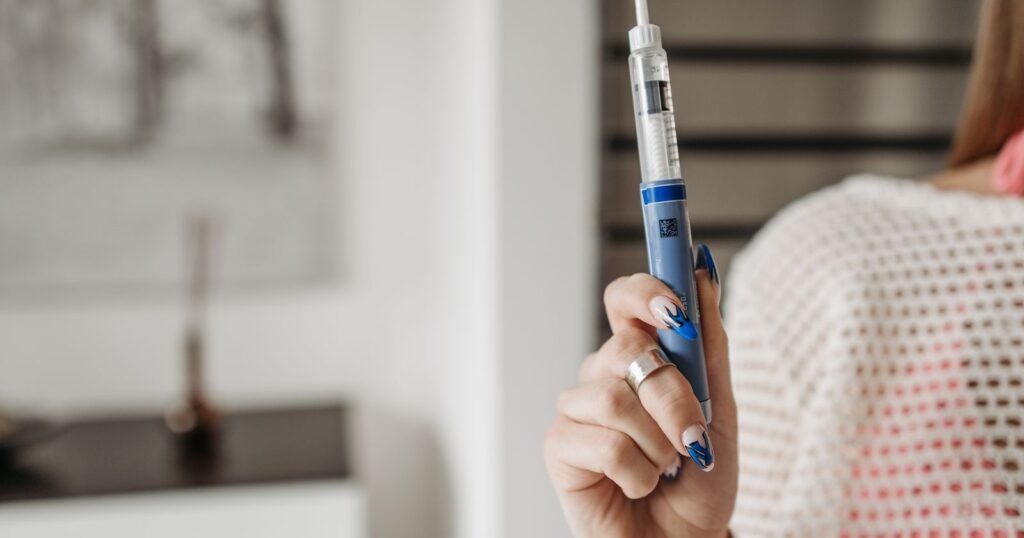
The first question in nearly every Ozempic lawsuit eligibility review is what happened to you medically. Mild nausea or an upset stomach, which are common side effects of GLP-1 drugs, are generally not the focus of this litigation. Instead, cases center on serious, documented injuries, often involving hospitalization, surgery or lasting harm.
Injuries alleged in the federal litigation include:
- Gastroparesis, sometimes called stomach paralysis
- Ileus, a condition in which the intestines stop moving food normally
- Bowel or intestinal obstruction
- Ischemic bowel injury
- Severe pancreatitis
- Gallbladder injury requiring surgery
- Non-arteritic anterior ischemic optic neuropathy (NAION), a type of sudden vision loss
Being diagnosed with one of these conditions does not automatically mean you qualify. Firms also look at the timing of the diagnosis, the medication you used, your other health conditions, and the strength of your medical records.
Where the GLP-1 Litigation Stands
Understanding the court process helps explain why Ozempic lawsuit eligibility criteria can be specific.
Stomach and Intestinal Injury Cases (MDL 3094)
Federal lawsuits alleging gastrointestinal injuries from GLP-1 receptor agonists are consolidated in MDL 3094 in the U.S. District Court for the Eastern District of Pennsylvania, before Judge Karen S. Marston. The cases involve drugs made by Novo Nordisk, including Ozempic, Wegovy and Rybelsus, and by Eli Lilly, including Trulicity and Mounjaro. According to Judicial Panel on Multidistrict Litigation figures reported in September 2026, about 4,000 cases were pending.
On August 15, 2025, the court issued a ruling that requires gastroparesis claims to be supported by an objective gastric emptying study. In September 2026, the court held an evidentiary hearing from September 14 to 18 on expert testimony about broader causation questions. As of early October 2026, a ruling on those issues had not been reported.
Vision Loss Cases (MDL 3163)
Lawsuits alleging NAION after semaglutide use were consolidated in a separate federal proceeding, MDL 3163, created in December 2025 and also assigned to Judge Marston. Reported figures show about 216 cases pending as of September 2026, with a master complaint due in late October 2026. Our article on the Ozempic vision loss lawsuit explains NAION in more detail.
Warnings on the Label
In September 2023, the U.S. label for Ozempic was updated to include reports of ileus. Regulators in the European Union listed NAION as a very rare side effect of semaglutide in 2025, while published trackers report that the U.S. label did not include a NAION warning as of September 2026. MedlinePlus, from the National Library of Medicine, offers a plain-language semaglutide injection overview that describes serious side effects to discuss with your doctor.
No GLP-1 lawsuit had been settled, and no court or jury had found that these medications caused anyone’s injury, as of our latest review.
6 Factors That Affect Ozempic Lawsuit Eligibility
Each participating law firm sets its own criteria, but these factors come up in most reviews.
1. The Medication and How Long You Used It
Firms ask which GLP-1 drug you used, the dose, and when you started and stopped. Pharmacy records and prescription histories are usually the easiest way to document this. Some firms review claims involving several GLP-1 drugs, while others focus on specific products.
2. A Documented Diagnosis
A diagnosis made by a doctor and recorded in your medical file is central to Ozempic lawsuit eligibility. For gastroparesis, the August 2025 ruling means a gastric emptying study is especially important. For vision loss, records from an ophthalmologist or neuro-ophthalmologist are typically needed.
3. Seriousness of the Injury
For Ozempic lawsuit eligibility, firms commonly look for injuries that required emergency care, hospitalization, surgery, or ongoing treatment, or that caused permanent effects such as vision loss.
4. Timing Between Use and Injury
Timing is another key part of Ozempic lawsuit eligibility. Attorneys look at when symptoms began relative to when you started the medication or changed your dose. A clear timeline in your records can help.
5. Other Health Conditions
Diabetes itself can affect the stomach and the eyes, and other conditions or medications can cause similar problems. Firms will ask about your full medical history so they can evaluate a claim realistically. Be open and honest; it helps the review.
6. Filing Deadlines
Each state sets a statute of limitations for product liability claims. In many states, the clock starts when you knew or should have known about an injury and its possible cause. Only a licensed attorney can tell you whether a deadline may apply to your situation.
Understanding the Conditions Behind Ozempic Lawsuit Eligibility
Knowing a little about each condition can help you understand your records and the questions a law firm may ask. This is general background, not medical advice, and only your doctor can diagnose a condition.
Gastroparesis
Gastroparesis means the stomach empties much more slowly than normal even though nothing is physically blocking it. People commonly describe ongoing nausea, vomiting of undigested food, feeling full after only a few bites, bloating and upper abdominal pain. Doctors usually confirm it with a gastric emptying study, a test that measures how quickly a small meal leaves the stomach. Because of the August 2025 ruling, that test result is one of the most important records for gastroparesis-based Ozempic lawsuit eligibility. Our article on the Ozempic gastroparesis lawsuit explains the testing requirement in detail.
Ileus and Bowel Obstruction
Ileus occurs when the normal muscle movements of the intestines slow or stop, while an obstruction involves a physical blockage. Both can cause severe abdominal pain, swelling, vomiting and an inability to pass gas or stool, and both may require hospital care. CT scans, X-rays and hospital notes typically document these conditions.
Pancreatitis and Gallbladder Problems
Pancreatitis is inflammation of the pancreas that often causes severe upper abdominal pain spreading to the back. Gallbladder problems, such as gallstones or inflammation, may require surgery to remove the gallbladder. Lab results, imaging and surgical reports are the key records for these injuries.
NAION
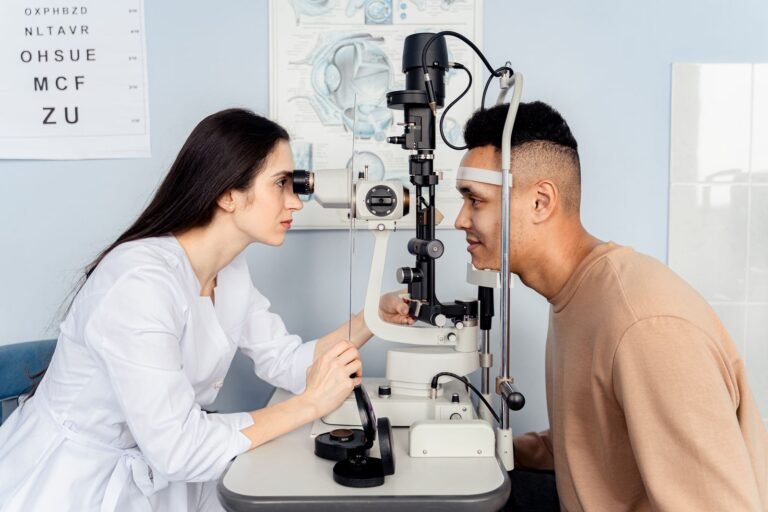
NAION is a sudden loss of vision, usually in one eye, caused by reduced blood flow to the optic nerve. It is often noticed upon waking and is typically painless. An ophthalmologist or neuro-ophthalmologist usually makes the diagnosis after an exam and visual field testing.
Records to Gather Before a Case Review
You do not need every document before reaching out, but collecting what you can helps answer Ozempic lawsuit eligibility questions more quickly.
- Pharmacy records showing your GLP-1 prescriptions and refill dates
- Emergency room and hospital records, including discharge summaries
- Gastric emptying study results, endoscopy or imaging reports
- Surgical reports, if you had an operation
- Eye exam records, visual field tests and specialist notes for vision loss
- Notes from the prescribing doctor about side effects you reported
- A short timeline of symptoms, treatments and time missed from work
Patients generally have the right to request copies of their own medical records from providers. Many hospitals and pharmacies offer online portals that make this easier.
Ozempic Lawsuit Eligibility and the Free Case Review
When you request a free case review through Direct2Attorney, you answer a few questions about your medication and your injury. That information is shared with a participating law firm, which decides whether to contact you.
During a consultation, an attorney may ask:
- Which GLP-1 medication you used and for how long
- What diagnosis you received and which tests confirmed it
- Whether you were hospitalized or had surgery
- Which doctors, hospitals and pharmacies have your records
Many firms handling these claims work on a contingency fee basis, which generally means attorney fees are paid only if there is a recovery. Ask for fee terms in writing before signing anything.
Should You Stop Taking Your Medication?
Do not stop or change a prescription medication without talking to your doctor. GLP-1 drugs treat serious conditions, and changes should be made with medical guidance. If you have severe stomach pain, persistent vomiting, signs of a bowel blockage, or sudden vision changes, seek medical care right away. Your health comes first, and prompt care also creates an accurate medical record.
Common Misunderstandings
Some people assume that any side effect makes them eligible, while others assume that because their doctor prescribed the medication, they cannot have a claim. Neither is accurate. Ozempic lawsuit eligibility depends on the specific injury, the medical evidence, timing and state law. Lawsuits in this litigation are product liability claims against drug manufacturers; they are generally not claims against the prescribing doctor.
Another misunderstanding is that an MDL works like a class action. In an MDL, each person has an individual lawsuit, and cases are grouped for pretrial matters such as evidence and expert rulings.
Frequently Asked Questions
Can I qualify if I used Wegovy or Mounjaro instead of Ozempic?
Possibly. Ozempic lawsuit eligibility reviews often cover related GLP-1 drugs too. MDL 3094 includes several GLP-1 medications from Novo Nordisk and Eli Lilly. A participating law firm can review which products you used.
Do I need a gastric emptying study?
For gastroparesis claims, the August 2025 court ruling makes an objective gastric emptying study very important. Other injuries, like bowel obstruction, are documented in different ways.
What if my vision loss was diagnosed as NAION?
Vision loss claims are handled in MDL 3163. Records from an eye specialist are typically key.
Have there been any settlements?
As of October 2026, no GLP-1 settlements had been reported.
Does a free case review cost anything?
No. Requesting a review through Direct2Attorney is free and confidential, and there is no obligation.
Next Steps
If you used Ozempic or another GLP-1 drug and later suffered a serious injury, gathering your records and asking questions early can help you understand your options. A participating law firm can tell you whether your situation fits the current litigation. Direct2Attorney does not provide legal advice and cannot guarantee any outcome.
Think you may qualify? See if you qualify for a free, confidential Ozempic Lawsuit case review →
This article is general information, not legal or medical advice.