In this article (10 sections)
- What Is an Ozempic Vision Loss Lawsuit?
- What Is NAION? Medical Background in Plain Language
- What Regulators and Researchers Have Said
- Where the GLP-1 NAION Litigation Stands as of October 2026
- Who May Be Eligible for an Ozempic Vision Loss Lawsuit?
- Records to Gather Before a Free Case Review
- Deadlines and the Statute of Limitations
- What a Free Case Review Through Direct2Attorney Involves
- Frequently Asked Questions
- The Bottom Line
If you took Ozempic, Wegovy or another GLP-1 drug and later suffered sudden vision loss, you may have heard about an Ozempic vision loss lawsuit. These claims center on a rare eye condition called non-arteritic anterior ischemic optic neuropathy, or NAION. As of October 2026, NAION cases are being handled in their own federal multidistrict litigation, separate from the larger stomach-injury cases. This guide explains what NAION is, what regulators and researchers have said, how the federal litigation is organized, and what records matter if you are thinking about a free case review.
Direct2Attorney is a legal marketing and referral service, not a law firm. We do not give legal advice. If you request a review, a participating law firm decides whether it can take your case.
What Is an Ozempic Vision Loss Lawsuit?
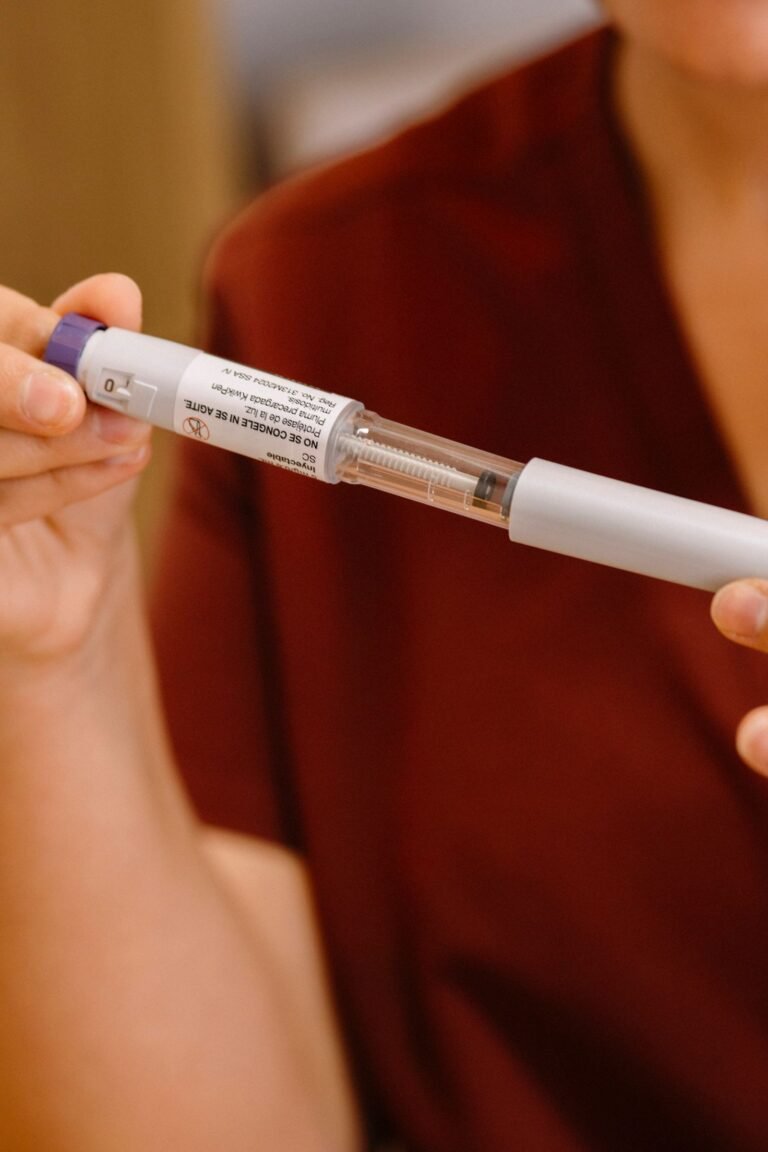
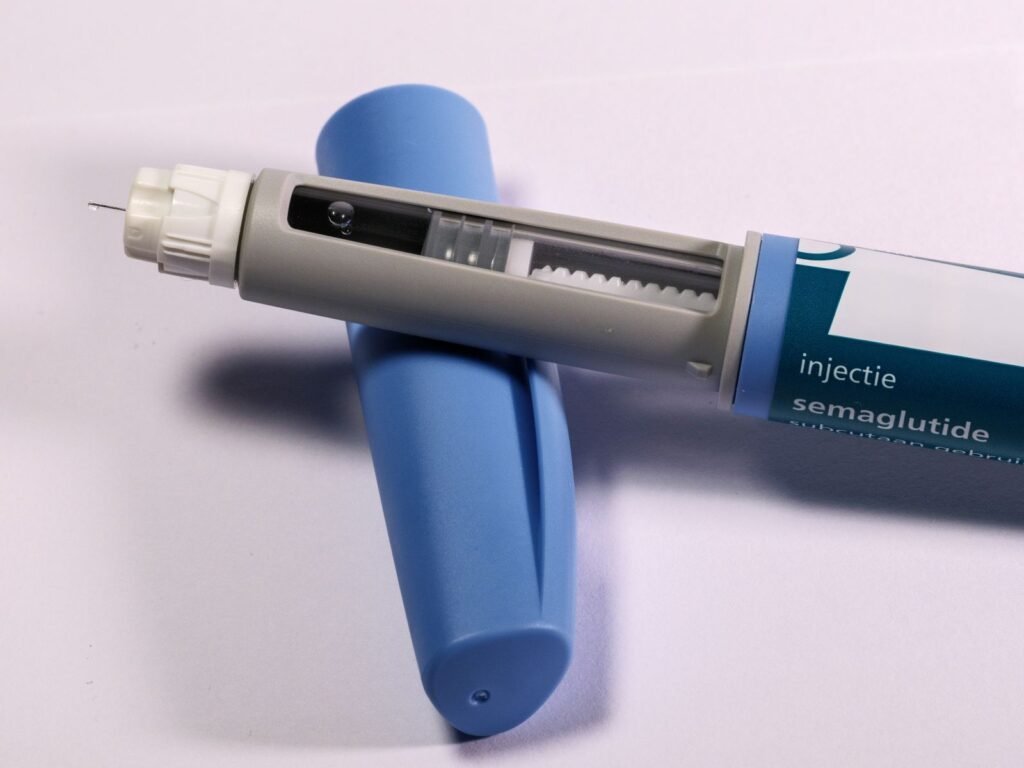
An Ozempic vision loss lawsuit is a product liability claim alleging that a GLP-1 receptor agonist caused or contributed to NAION and that the manufacturer did not adequately warn patients and doctors about that risk. Most claims name Novo Nordisk, the maker of Ozempic, Wegovy and Saxenda. Some claims also name Eli Lilly, which makes Trulicity.
These cases are different from the gastrointestinal claims (such as gastroparesis and bowel obstruction) that make up most GLP-1 litigation. If your injury is digestive rather than visual, our guide to the Ozempic gastroparesis lawsuit and the gastric emptying test rule covers that track.
What Is NAION? Medical Background in Plain Language
NAION happens when blood flow to the front of the optic nerve drops, damaging the nerve that carries visual signals from the eye to the brain. It is sometimes described as a “stroke” of the optic nerve. People often notice it as painless vision loss in one eye, frequently discovered on waking.
Common features reported by patients and described in medical literature include:
- Sudden, painless blurring or dimming of vision in one eye
- Loss of part of the visual field, often the upper or lower half
- Reduced color vision or contrast in the affected eye
- Vision changes that may stabilize but often do not fully recover
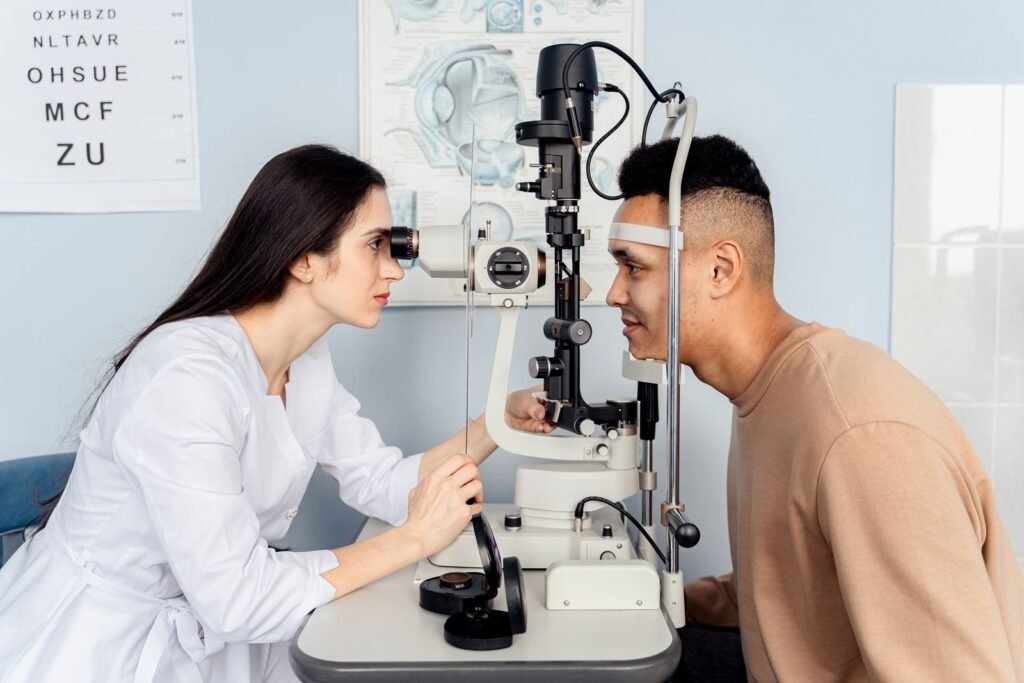
NAION is diagnosed by an eye specialist, usually an ophthalmologist or neuro-ophthalmologist, after an exam of the optic nerve and tests that rule out other causes. Anyone with sudden vision changes should seek urgent medical care. Nothing in this article replaces advice from your own doctor.
Why the diagnosis record matters
In product cases, the specific diagnosis written in your medical chart carries a lot of weight. A note that says “blurry vision” is not the same as a documented NAION diagnosis from a specialist. If you were told you had optic nerve damage, ask for the full records, including the exam findings and imaging, so a law firm reviewing your claim can see exactly what was found.
What Regulators and Researchers Have Said
Much of the attention on GLP-1 drugs and NAION started with a study published in JAMA Ophthalmology in July 2024 by researchers at Massachusetts Eye and Ear. In a retrospective review of patients seen at their center, the authors reported a higher rate of NAION among patients prescribed semaglutide than among comparison patients taking other medications. The authors also noted that their design could not prove that the drug caused the condition.
On June 6, 2025, the European Medicines Agency’s safety committee (PRAC) concluded that NAION is a very rare side effect of semaglutide medicines, meaning it may affect up to 1 in 10,000 people taking them. PRAC recommended updating product information in Europe and said semaglutide should be stopped if NAION is confirmed. The World Health Organization published a related notice later that month, and Australia’s TGA has also added NAION warnings.
In the United States, the picture is different. Based on our review of publicly available labeling as of October 2026, we have not confirmed a specific NAION warning on U.S. semaglutide labels. That gap between European and U.S. labeling is one reason the failure-to-warn theory is central to these claims. Courts, not regulators, decide whether a warning was legally adequate.
Where the GLP-1 NAION Litigation Stands as of October 2026
On December 15, 2025, the U.S. Judicial Panel on Multidistrict Litigation created a new proceeding for these claims: MDL No. 3163, In re GLP-1 RAs NAION Products Liability Litigation. The cases were sent to the Eastern District of Pennsylvania and assigned to Judge Karen S. Marston, the same judge overseeing the gastrointestinal cases in MDL No. 3094.
The Panel chose not to fold the vision claims into the existing stomach-injury MDL. Instead, it created a separate docket so the judge could decide how closely to coordinate the two. Key facts as of October 2026:
- Court: U.S. District Court for the Eastern District of Pennsylvania
- Judge: Karen S. Marston
- Defendants named in the MDL: Novo Nordisk and Eli Lilly
- Products named: Ozempic, Wegovy, Saxenda and Trulicity
- Pending cases: 247 actions as of the JPML’s October 1, 2026 report, up from 200 in August 2026
- Related docket: MDL No. 3094 (gastrointestinal injuries) had 4,025 pending actions as of the same report
The first case management order was entered in December 2025, and the court held an initial conference in January 2026. As of October 2026, we are not aware of any trial date, bellwether schedule or settlement in the NAION MDL. Any information about how much a case might be worth would be speculation at this stage.
Why a separate MDL matters to you
A dedicated MDL means pretrial issues specific to vision loss, such as what medical evidence is needed to link NAION to a drug, will be decided for these cases as a group. Rulings in the gastrointestinal MDL can still be instructive. For example, in August 2025 Judge Marston ruled that plaintiffs alleging gastroparesis generally need an objective gastric emptying study. It is reasonable to expect that the NAION cases will also turn on careful, specialist-documented diagnoses.
Who May Be Eligible for an Ozempic Vision Loss Lawsuit?
Every case is evaluated individually by a participating law firm. In general, firms reviewing an Ozempic vision loss lawsuit tend to look at factors like these:
- You were prescribed a GLP-1 drug such as Ozempic, Wegovy, Rybelsus, Saxenda or Trulicity
- You were diagnosed with NAION or another optic nerve injury by an eye doctor
- The diagnosis came after you started the medication
- You have pharmacy or prescription records showing when you used the drug
- Your claim falls within your state’s statute of limitations
Meeting these general points does not mean a firm will accept a case, and it does not guarantee any compensation. Other health conditions that affect blood flow, such as sleep apnea, high blood pressure or diabetes itself, can also be associated with NAION. A firm may ask about them because they can affect how a claim is evaluated.
Records to Gather Before a Free Case Review
You do not need a complete file to request a review, but having key documents ready can help a law firm understand your situation faster. Useful records include:
- Pharmacy printouts showing each GLP-1 prescription fill and dose
- The prescribing doctor’s notes about why the drug was started
- Eye exam records, including optic nerve findings, visual field tests and OCT imaging
- Any referral notes to a neuro-ophthalmologist and their diagnosis
- A simple timeline: when you started the drug, when symptoms began and when you were diagnosed
- Notes about how vision loss affects work, driving and daily life
Keep a personal timeline
Write down dates while they are fresh. Many people remember the morning they first noticed a problem but not the exact date. Cross-checking against pharmacy records, calendar entries or messages can help you build an accurate timeline. Accuracy matters more than detail.
Deadlines and the Statute of Limitations
Every state sets a deadline, called a statute of limitations, for filing a personal injury or product liability claim. These deadlines vary by state and can be as short as one or two years. In many states, the clock may start when you knew or reasonably should have known that your injury might be linked to a product, but the rules differ and exceptions are narrow.
Being part of a nationwide MDL does not pause your personal deadline. If you think you may have a claim, it is generally wise to have it reviewed sooner rather than later so a participating law firm can assess the timing under your state’s law.
What a Free Case Review Through Direct2Attorney Involves
When you submit a request, we ask a few basic questions about the medication you took, your diagnosis and the timing. We then connect you with a participating law firm that handles GLP-1 cases. That firm may contact you to ask more questions and review records. There is no cost to request a review, and you are under no obligation to move forward.
Participating firms in product liability cases commonly work on a contingency fee basis, meaning legal fees are typically paid only if there is a recovery. Ask any firm you speak with to explain its fee agreement in writing before you sign anything.
Frequently Asked Questions
Is there an Ozempic vision loss lawsuit settlement?
As of October 2026, we are not aware of any settlement in the NAION MDL. The litigation is in its early pretrial stages. Be cautious of anyone who quotes specific settlement amounts for these cases.
Does the Ozempic vision loss lawsuit include Wegovy and Mounjaro?
The JPML transfer order named Ozempic, Wegovy, Saxenda and Trulicity. Whether other GLP-1 drugs are involved in a particular case depends on the facts. A participating law firm can tell you whether your specific medication is part of current claims.
I had blurry vision but was never diagnosed with NAION. Can I file?
Blurry vision has many possible causes. These claims generally focus on a documented NAION or optic nerve diagnosis. If you have ongoing vision symptoms, see an eye doctor first. Your health comes before any legal question.
Do I have to stop taking my medication to file a claim?
No one should stop or change a prescribed medication without talking to their doctor. Medical decisions and legal decisions are separate.
How long will the litigation take?
MDLs often take several years. The NAION MDL was created in December 2025, so it is still early. A participating law firm can explain what to expect for your case.
The Bottom Line
The Ozempic vision loss lawsuit track is still young, but it is now organized in its own federal MDL with a growing number of cases. If you used a GLP-1 drug and were later diagnosed with NAION, collecting your pharmacy and eye care records now can make any future review easier. You can learn more about the broader litigation on our Ozempic lawsuit page.
Think you may qualify? See if you qualify for a free, confidential Ozempic case review →
This article is general information, not legal or medical advice. Direct2Attorney is not a law firm. Submitting a request does not create an attorney-client relationship, and no outcome or compensation is guaranteed.