Direct2Attorney is a legal marketing & referral service, not a law firm and not a substitute for legal advice.
Eligibility
There are two main routes into this litigation: exposure through work, and exposure through water. You may qualify for a PFAS & AFFF lawsuit under either.
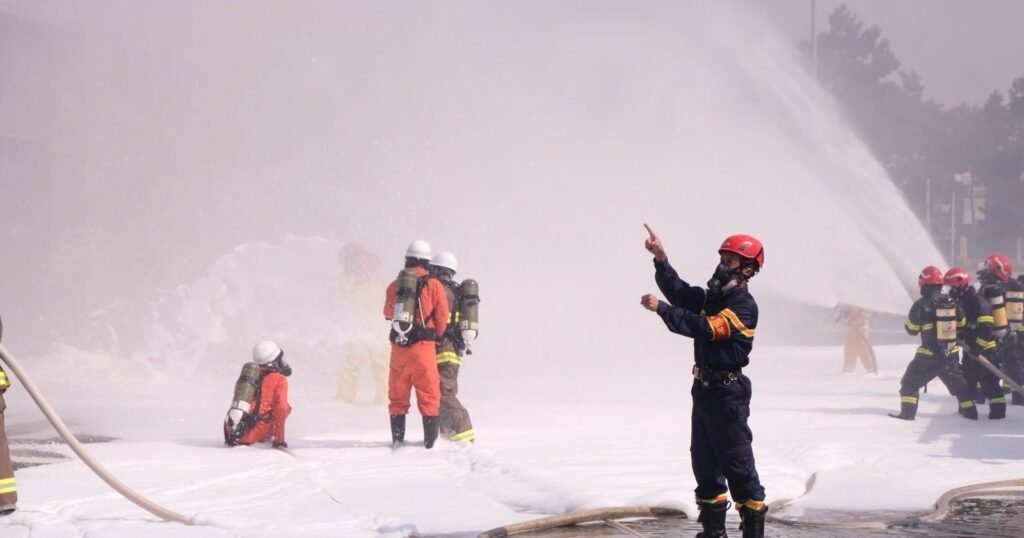
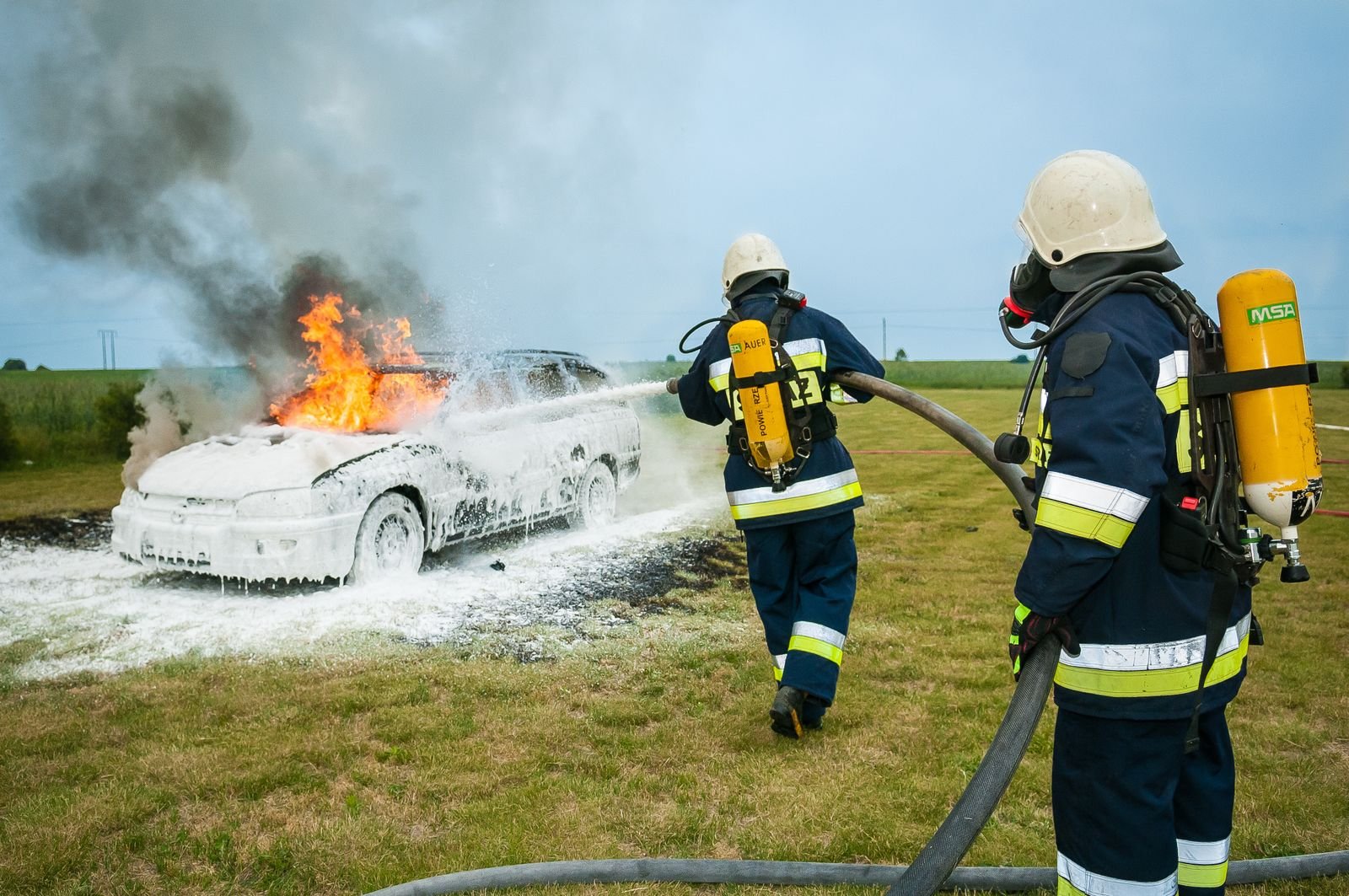
Military and civilian firefighters, airport and aviation crews, refinery and industrial workers, and fire academy instructors and trainees.
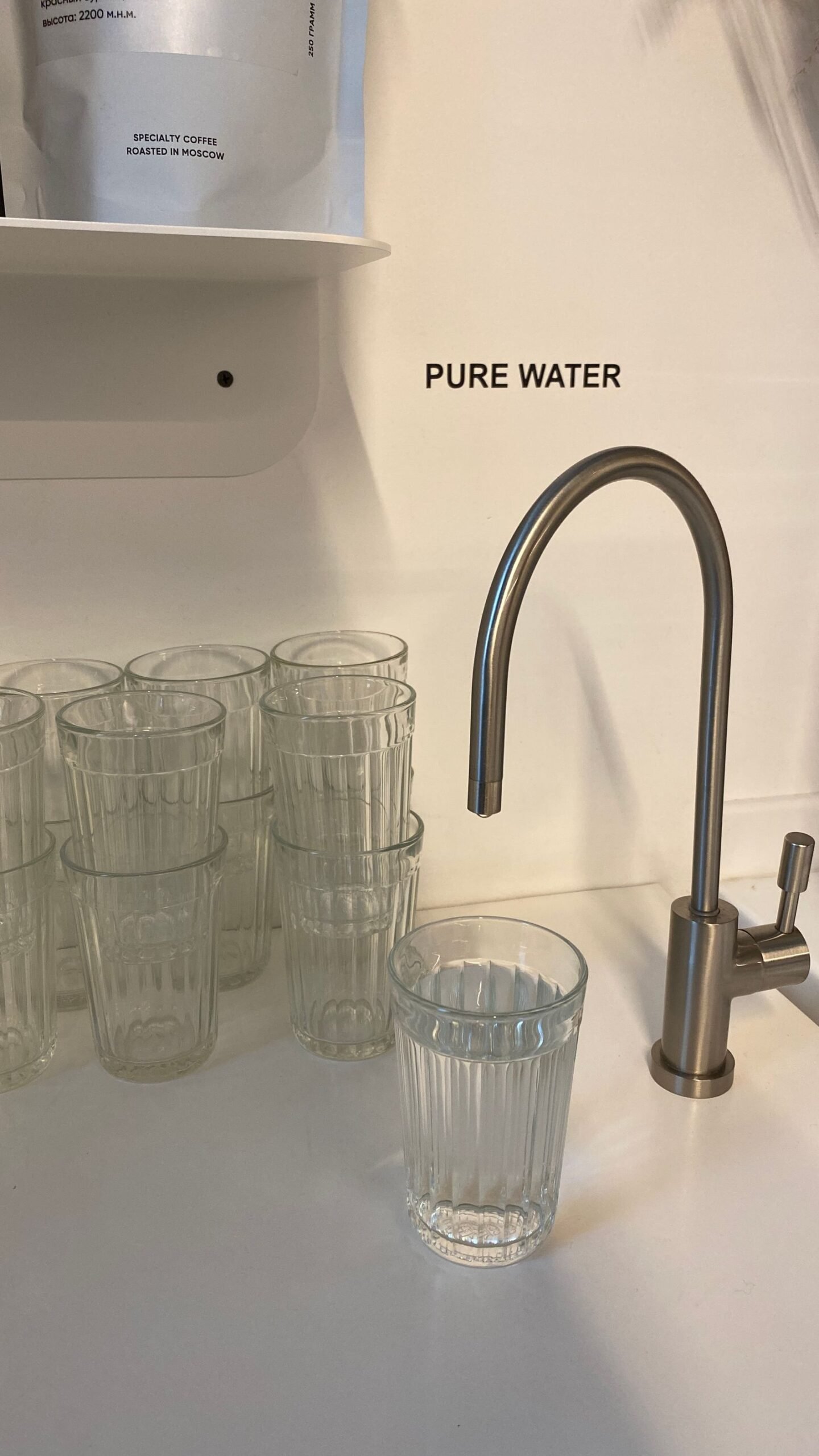
Homes near military bases, airports, fire training grounds and chemical plants. You never had to touch the foam. Private wells count too.
Foam was used heavily on bases and aboard ships, and base drinking water was affected at hundreds of sites. Service members and their families both qualify.
Kidney cancer, testicular cancer, thyroid cancer, liver cancer, thyroid disease including hypothyroidism, or ulcerative colitis.
Service records, employment history, a base or station name, or an address on a water system that tested positive.
Some states allow medical monitoring claims that fund ongoing health screening for people with documented exposure and no diagnosis. Worth asking about.
Not sure your exposure was “enough”?
Most people underestimate it. Twenty years of tap water beside a base can matter as much as handling the foam. A free review sorts it out in about two minutes.
Meeting these guidelines does not mean you have a valid claim. It means a participating law firm is likely to review it. That firm decides on its own whether to take your case. Some claims are turned down, and some recover nothing. Direct2Attorney cannot judge the legal merits of your case, give legal advice, or file anything for you.
Common worries
Many people who could ask for a review assume they cannot. These are the reasons we hear most, and what is actually true.
What holds people back
People on contaminated water often think only firefighters can file.
What is true
Farmers, teachers, retirees and children who grew up in an affected town — ordinary people who simply drank what came out of the tap — are part of this litigation.
What holds people back
News of huge PFAS settlements makes people think the money is gone.
What is true
Those settlements went to public water systems and municipalities. Personal injury claims are a completely separate process, and no global settlement exists for them.
What holds people back
Veterans worry that suing means taking on the military.
What is true
A PFAS claim is against the chemical manufacturers, not the military or the VA. It is separate from your disability benefits.
What holds people back
Few people know whether their system ever tested positive.
What is true
A firm can map your addresses against contaminated sites and pull public water testing data. Tell us where you were and the firm does the rest.
About the chemicals
PFAS stands for per- and polyfluoroalkyl substances. They are a family of thousands of man-made chemicals built around a carbon-fluorine bond — one of the strongest bonds in chemistry. That strength is the whole problem. These chemicals do not break down. Not in soil, not in water, and not in people. That is why they are called forever chemicals.
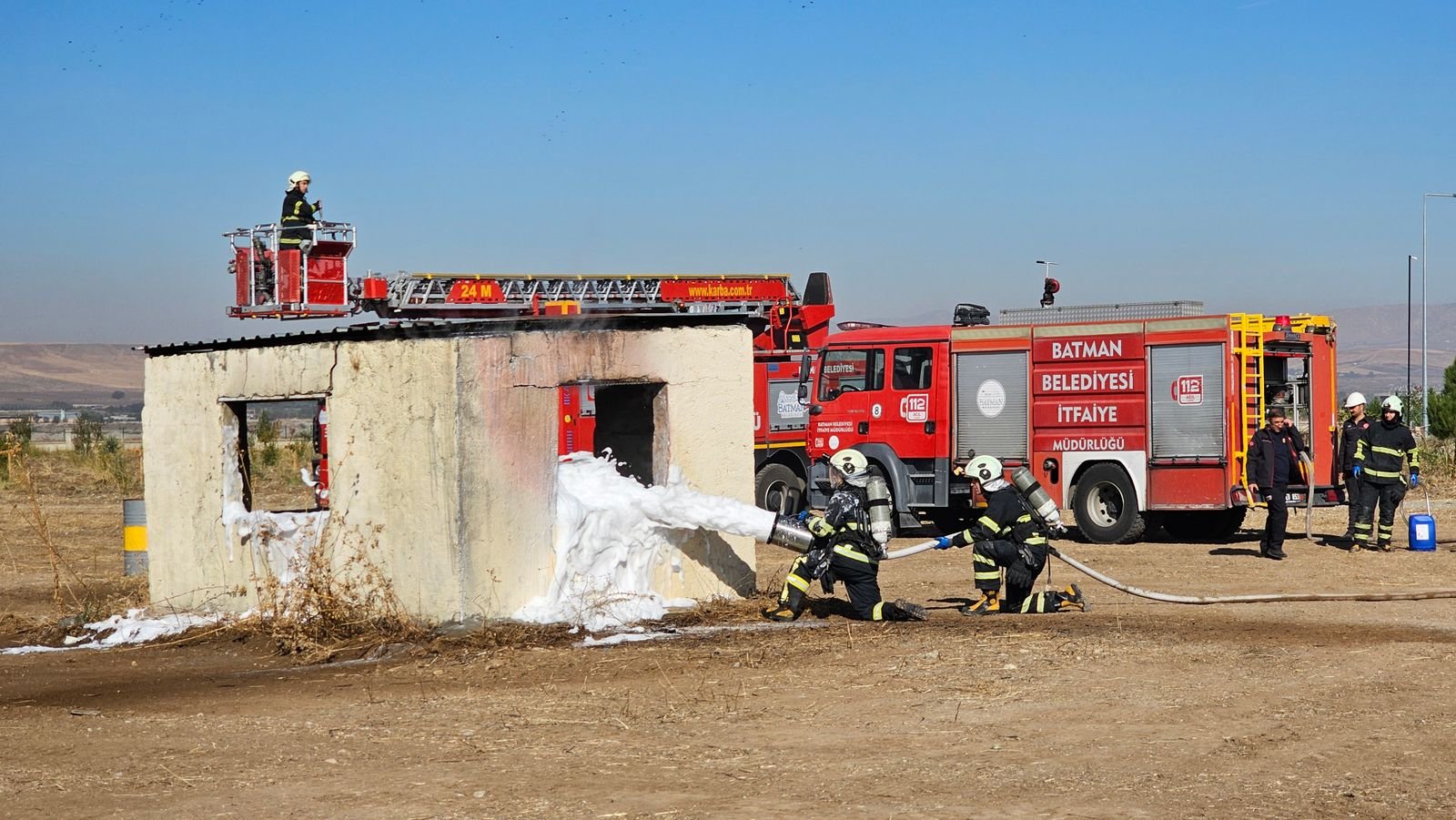
AFFF is one source, not the only one. Aqueous film-forming foam smothers fuel fires and was standard at military bases, airports, refineries and fire training grounds from the 1960s onward. It is loaded with PFAS. When it soaked into the ground it reached the groundwater and turned up decades later in the tap water of houses miles away.
PFAS also came from chemical plants that made or used these compounds, discharging them into rivers and air. Communities downstream have been drinking them for decades.
Once PFAS enters a person it stays for years and builds up with each new exposure. In 2024 the EPA set the first enforceable national limits for PFOA and PFOS at 4 parts per trillion — the strictest drinking water standard the agency has ever issued.
How foam on a base ends up in a kitchen tap
Foam is sprayed in drills and fires
Training pits and runways were soaked again and again.
It soaks into the ground
PFAS does not break down, so it moves into groundwater.
It reaches drinking water
Wells and town systems miles away can test positive decades later.
Direct, repeated contact — especially during training drills, where foam was discharged again and again with little protection.
The larger group by far. Ordinary people who simply drank what came out of the tap.
| Condition | Strength | What to know |
|---|---|---|
| Kidney cancer | Strongest | The injury chosen for the first personal injury trial. Best-supported claim in the litigation. |
| Testicular cancer | Strongest | Research on service members has found a significant link with PFAS exposure. |
| Thyroid cancer | Recognized | Included in the court’s narrowed list; expert challenges have been briefed. |
| Liver cancer | Recognized | Added after the court held dedicated sessions on the science. |
| Thyroid disease | Recognized | Includes hypothyroidism. Non-cancer, but accepted in the trial pool. |
| Ulcerative colitis | Recognized | The one digestive condition on the list, supported by earlier PFAS health studies. |
The court narrowed the litigation from more than 200 claimed injuries to these six to focus on the conditions with the strongest scientific support. Other diagnoses may still be reviewed but are harder to pursue. Company and product names on this page are used only to identify the parties and products at issue. Direct2Attorney is not affiliated with, endorsed by, or sponsored by 3M, DuPont, Chemours, Corteva, the EPA, the military, the VA, or any court.
How exposure happens, in plain words
You cannot see, smell or taste PFAS. Exposure builds quietly over years. These are the four routes behind most PFAS & AFFF lawsuit claims.
The most common route. Tap water or a private well near a base, airport, training site or chemical plant, day after day.
Firefighters and trainees were often soaked in foam during drills, with little protection and no warning.
Spray, mist and smoke during training and real fires can carry PFAS into the lungs.
PFAS stays in the body for years. Each new exposure adds to what is already there.
Kidney and testicular cancers are often found late
Early signs are easy to dismiss. If you worked around AFFF or drank water near a contaminated site, tell your doctor about the exposure.
Treatment
Treatment depends on which condition you have and how early it was found. Each step also leaves a record, and those records later show what the illness has cost you.
This page is general information, not medical advice. If you worked around AFFF or drank water near a contaminated site and notice blood in your urine, a dull ache in the side or lower back, a lump or heaviness, unexplained weight loss or lasting fatigue, see a doctor and tell them about the exposure. Do not start, stop or change any treatment based on what you read here.
Kidney cancer
Often part or all of the kidney is removed. Targeted drugs or immunotherapy may follow if it has spread.
Testicular cancer
The affected testicle is usually removed, sometimes followed by chemotherapy or radiation. It is often very treatable.
Thyroid cancer
Part or all of the thyroid is removed, sometimes with radioactive iodine and daily hormone pills afterward.
Liver cancer
Options include surgery, treatments that destroy the tumor in place, targeted drugs or a transplant.
Thyroid disease
Hypothyroidism is usually treated with a daily thyroid hormone pill and regular blood tests.
Ulcerative colitis
Anti-inflammatory drugs and newer biologic medicines calm the colon. Severe cases may need surgery.
Quick self-check
If you can say yes to most of these, it is worth asking for a free review.
Did you use firefighting foam, serve where it was used, or drink water near a base, airport, training site or chemical plant?
Has a doctor diagnosed you, or a loved one, with kidney, testicular, thyroid or liver cancer, thyroid disease or ulcerative colitis?
Did the exposure happen before the diagnosis, often over several years?
Can you name a base, station, employer or address where it happened?
Requirements
You do not need any of this to start. A firm collects it for you. But every claim is built on these four things.
Proof of exposure
Service, job or address records, plus water data.
Proof of the illness
A diagnosis of one of the six conditions.
A link between them
Science and records tying PFAS to the illness.
Filed in time
Each state sets its own deadline.
Case status
Federal cases are consolidated as MDL 2873 before Judge Richard M. Gergel in the District of South Carolina. The billions you have read about did not go to people. Personal injury claims are a separate track, and they are moving.
One distinction that matters if you are a firefighter
The federal panel has twice declined to bring turnout-gear-only claims into MDL 2873, most recently in December 2025. If you were exposed to both AFFF foam and PFAS in your turnout gear, your case can go into the MDL. If your only exposure was gear, your claim proceeds separately.
Cases grouped as MDL 2873
Federal AFFF cases from across the country are combined in one court in South Carolina.
Water system settlements
3M agreed to pay roughly $10.3 to $12.5 billion, and DuPont, Chemours and Corteva about $1.185 billion, to public water systems and municipalities. None of it went to individuals with cancer.
EPA sets a national limit
The EPA set the first enforceable national limits for PFOA and PFOS in drinking water at 4 parts per trillion.
First injury trial postponed
The first personal injury test trial, focused on kidney cancer, was set for October 2025 but did not go forward. No new personal injury trial date had been publicly set as of mid-2026.
Turnout gear kept out
The federal panel again declined to bring turnout-gear-only claims into MDL 2873.
15,264 cases pending
Up from 15,244 in July 2026. No global settlement for injury claims exists yet.
No one can promise a payout. Settlement talk is common in this litigation, but no global personal injury settlement had been announced as of October 2026. Ignore any site that quotes you a set amount for your condition.
Compensation
If a claim succeeds, compensation is meant to cover what the illness has cost you — in money, in work, and in life. Here is what these claims typically seek.
No one can tell you what your claim is worth before reviewing your records, and no one can promise you will recover anything at all. Past results do not guarantee or predict a similar outcome in any future case.
The process
You do not need water testing data or service records to begin. Tell us where you were and the firm does the rest.
Fill out the short form or call. How you were exposed, where, roughly how long, and what you were diagnosed with. It costs nothing.
If your situation fits, we connect you with a participating law firm. That firm decides on its own whether to represent you, and which track your claim belongs on.
Service and employment records, addresses mapped against contaminated sites, and public water testing data. Plus your medical and pathology records.
Your case is filed and coordinated alongside the trials that will shape any broader resolution. You are never required to accept an offer you do not want.
READY WHEN YOU ARE
Step 1 takes about two minutes.
Deadlines
Every state sets its own time limit, called a statute of limitations. Your state’s filing deadline is running whether or not you look into it.
Deadlines vary by state and by the type of claim, so the same facts can have different deadlines in different places.
In many states the clock starts when you learned your illness might be linked to PFAS, not on the day of exposure.
Wrongful death claims usually have their own deadline, often starting on the date of death.
Only an attorney licensed in your state can confirm what applies to you.
Do not wait for a settlement headline
Deadlines keep running while the litigation moves. A free review can help you find out where you stand.
Why people use us
No upfront fees
The review is free. Participating firms work on contingency, so a fee is owed only out of a recovery. No recovery, no attorney fee.
Firms in this MDL
We connect you with firms handling PFAS and toxic exposure claims — ones already inside MDL 2873 and tracking the trial schedule.
Veterans welcome
A PFAS claim is against the chemical manufacturers, not the military or the VA. It is separate from your disability benefits.
Private and secure
Your information is encrypted and handled according to our Privacy Policy. You are never obligated to move forward.
What Direct2Attorney is
A legal marketing and referral service. We check whether your situation matches what participating law firms are looking for, and connect you with one of them if it does.
What Direct2Attorney is not
We are not a law firm. We cannot give you legal advice, represent you, or file anything on your behalf. Only a law firm you sign with can do that.
Firms are reviewing new PFAS and AFFF claims
If you handled firefighting foam, served where it was used, or drank water near a contaminated site — and you were later diagnosed with cancer or thyroid disease — find out where you stand. It takes about two minutes. It costs nothing. And your state’s filing deadline is running whether or not you look into it.
What happens after you ask
We check your answers
Usually the same business day
A participating firm may call you
At the time you choose
You decide what comes next
No cost and no obligation, ever
Questions
Still have a question? Ask it on the call. The review is free, and there is no obligation.
Start my free review →Participating law firms are generally reviewing claims from two groups. First, people exposed at work, including military and civilian firefighters, airport and aviation crews and industrial workers who handled AFFF firefighting foam. Second, people exposed through drinking water near a military base, airport, fire training site or chemical plant. In both groups, a diagnosis of one of the conditions the court has prioritized is usually required.
Yes, but not for people. 3M agreed to pay roughly $10.3 to $12.5 billion and DuPont, Chemours and Corteva about $1.185 billion. Those settlements went to public water systems and municipalities to clean up water supplies. None of that money was paid to individuals with cancer. Personal injury claims are a completely separate process and no global settlement exists for them.
The court has focused the litigation on six conditions with the strongest scientific support: kidney cancer, testicular cancer, thyroid cancer, liver cancer, thyroid disease including hypothyroidism, and ulcerative colitis. Kidney and testicular cancer are considered the strongest claims. Other diagnoses may still be reviewed but are harder to pursue.
That depends and the distinction matters. The federal panel has twice declined to bring turnout-gear-only claims into MDL 2873, most recently in December 2025. If you were exposed to both AFFF foam and PFAS in your gear, your case can go into the MDL. If your only exposure was gear, your claim proceeds separately, outside that litigation. A firm can tell you which track fits your service history.
Possibly. Some claims seek medical monitoring, which funds ongoing health screening for people with documented exposure who have not developed a diagnosed condition. Availability depends heavily on your state, since not every state recognizes medical monitoring claims. It is worth asking about if you lived or worked somewhere with confirmed contamination.
Nothing to ask. The case review is free with no obligation. If a participating law firm takes your case, it will normally work on contingency. That means the fee comes out of a recovery, and no fee is owed if there is no recovery.
No. Direct2Attorney is a legal marketing and referral service, not a law firm. An attorney-client relationship may form only after a participating law firm reviews your information and signs a separate representation agreement with you.
A PFAS claim is against the chemical manufacturers, not the military or the VA. It is a separate process from your disability benefits. If you have questions about how any recovery interacts with your benefits, ask the law firm that reviews your case.
As of October 1, 2026, the federal court reported 15,264 cases pending in MDL 2873. No global settlement for personal injury claims had been announced as of that date.

Learn more
More lawsuit research and settlement guides from our partner TortAdvisor ↗