In this article (13 sections)
- Why implanted port warning signs matter during chemo
- Signs of a port infection
- Signs of a blood clot
- Signs the catheter may have broken or moved
- When to call 911 or go to the ER
- Tips for caregivers
- How warning signs connect to the Bard PowerPort lawsuits
- A Simple Daily Check for Implanted Port Warning Signs
- Questions to Ask Before Implanted Port Warning Signs Appear
- When Implanted Port Warning Signs Could Mean Sepsis
- Implanted Port Warning Signs After Treatment Ends
- Implanted port warning signs: frequently asked questions
- How Direct2Attorney can help
Last updated: October 2026
Implanted port warning signs include fever, redness or swelling at the port, pain or swelling in the arm or neck on the port side, and shortness of breath. Chest pain, trouble breathing, or fainting need emergency care right away. Knowing these signs helps chemo patients and caregivers act fast. Below, you will also find a simple daily check, questions to ask your team, and how implanted port warning signs can connect to sepsis.
Ports make treatment easier, but problems are common. Cleveland Clinic says about 1 in 3 people have problems with implanted ports, and infections are the most common.
Why implanted port warning signs matter during chemo
A port is a small device placed under the skin, usually in the chest. A thin tube called a catheter runs from it into a large vein near the heart, as MedlinePlus explains.
Because the catheter ends so close to the heart, problems with it can affect the whole body. An infection can spread into the blood. A clot can block the vein. A broken piece of catheter can travel to the heart or lungs.
Chemotherapy can weaken the immune system. That means an infection can become serious quickly. The National Cancer Institute warns that infections during cancer treatment can be life threatening and need urgent medical attention.
Signs of a port infection
Infection can happen at the skin around the port or in the bloodstream. Watch for:
- Redness, warmth or swelling around the port
- Red streaks spreading from the site
- Pus or yellow-green drainage
- Pain or tenderness at the port
- Fever or chills
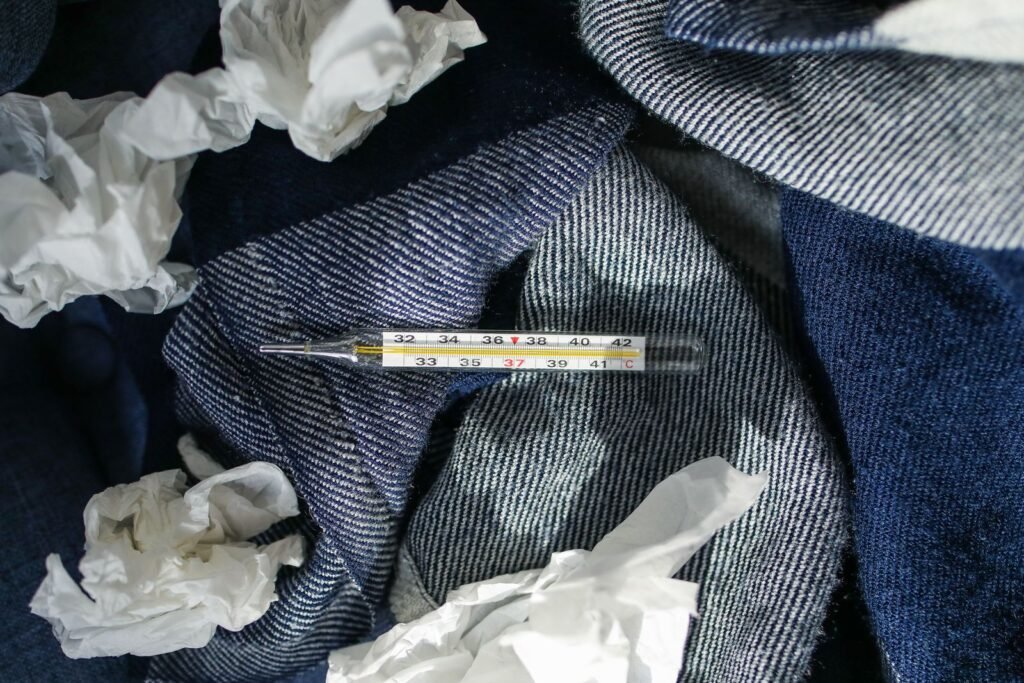
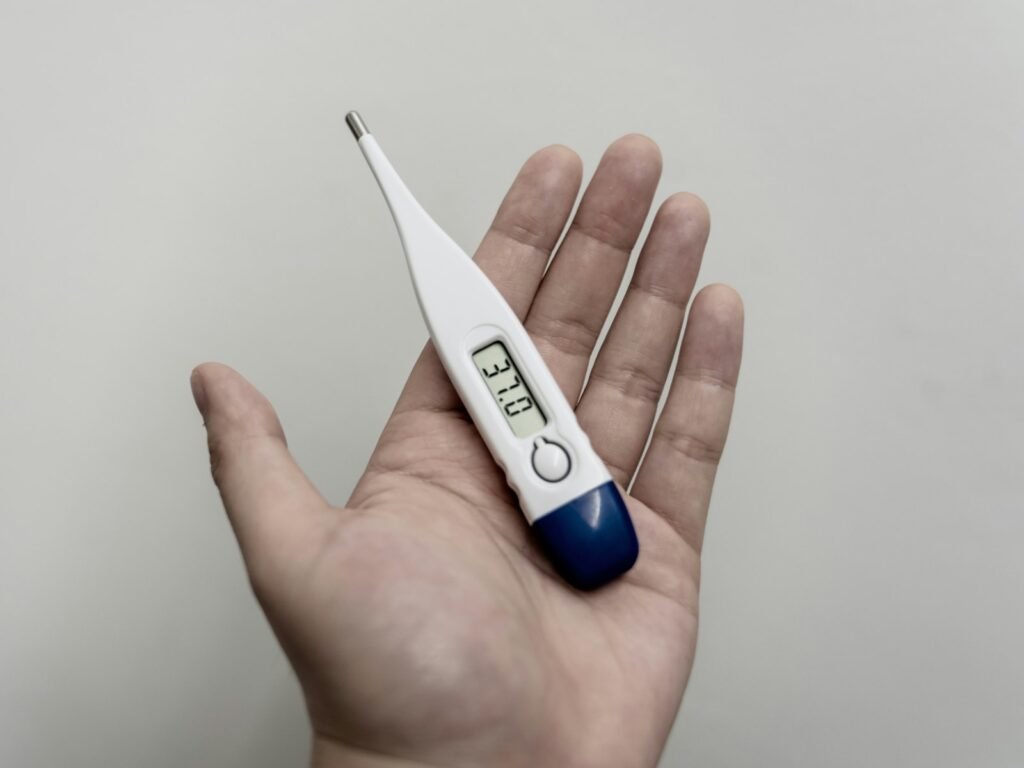
MedlinePlus says to call your provider for a fever over 100.4°F (38.0°C). NCI lists 100.5°F (38°C) or higher. Your cancer team may give you its own number, so follow their instructions.
Signs of a blood clot
Clots can form in the catheter or in the vein around it. Warning signs include:
- Swelling in the arm, neck or face on the same side as the port
- Pain in the neck or arm
- Visible veins in the chest or neck
- The port won’t flush, or nurses can’t draw blood from it
Kaiser Permanente’s port care instructions say to get immediate care if you have pain or swelling in your neck or arm, or trouble breathing.
Signs the catheter may have broken or moved
A catheter can crack, separate, or shift out of place. A piece can travel through the blood to the heart or lungs. This is one of the main injuries claimed in the Bard PowerPort lawsuits. Possible signs:
- Pain or swelling when fluids or medicine are given
- Fluid leaking under the skin near the port
- Irregular or racing heartbeat
- Chest pain, cough or shortness of breath
- Dizziness or fainting
- The port feels different, moves, or can’t be accessed
Cleveland Clinic lists a cracked port and a dislodged catheter tip among possible complications. A 2024 review of chemo ports in Cureus notes that catheter fracture can cause chemotherapy to leak into nearby tissue, which may show up as local swelling and trouble drawing blood.
Other port problems to report
Not every port problem looks like an emergency. Some are quieter but still worth a call. Cleveland Clinic lists several possible complications, including:
- Blockages in the port or catheter
- Blood clots in the catheter or vein
- A cracked port
- A dislodged catheter tip
- Air in a blood vessel (air embolism)
- A collapsed lung, most often linked to placement
Tell your care team if:
- Nurses have trouble flushing the port or drawing blood
- The skin over the port looks thin, broken, or shiny
- You see bleeding or fluid around the port
- The port area looks different from before
- You feel dizzy or faint during an infusion
MedlinePlus also says to call your provider if the port seems to have moved or can’t be reached with the needle.
When to call 911 or go to the ER
Some symptoms can’t wait for a callback. Seek emergency care if you or the person you care for has:
- Trouble breathing or sudden shortness of breath
- Chest pain or a pounding, irregular heartbeat
- Fainting or severe dizziness
- High fever with shaking chills, confusion, or low blood pressure
Tell the ER staff that you have an implanted port. If you have a port ID card, bring it.
If you are in active chemotherapy, also tell staff the date of your last treatment. A low white blood cell count can make an infection more dangerous, and the ER team may need to act faster.
When you call your care team after hours, have these details ready:
- Your temperature and when you took it
- What you see at the port site
- When symptoms started
- Your last treatment date and your port type, if you know it
Tips for caregivers
Caregivers are often the first to notice a change. These habits can help:
- Look at the port site daily. Note any redness, swelling or drainage.
- Keep a thermometer handy and write down readings with the time.
- Keep the port ID card and your care team’s after-hours number in one place.
- Take photos of skin changes so the care team can compare over time.
- Write down dates of flushes, access problems and ER visits.
These notes help doctors. They may also matter later if you look into a claim, since records of when problems began are important. See what documents make or break a Bard PowerPort claim.
How warning signs connect to the Bard PowerPort lawsuits
The warning signs above apply to every implanted port, whatever the brand. But the injuries in the federal Bard port litigation, MDL No. 3081, match several of them.
The JPML’s order creating the MDL says plaintiffs claim Bard’s catheters can lose strength and lead to infection, fracture, migration, and blood clots. In a 2026 bellwether trial, a jury awarded $40 million to a woman whose catheter broke and a piece lodged in her heart, AboutLawsuits reported.
If you notice these problems, get medical care first. Later, you can ask your care team which brand of port you have. That detail will matter if you decide to look into a claim.
A Simple Daily Check for Implanted Port Warning Signs
A short daily routine can help you catch problems early. It takes only a few minutes, and a caregiver can help. The goal is not to diagnose anything at home. It is to notice changes and tell your care team quickly.
Always follow the specific port care instructions your own team gives you. The steps below are general habits many patients find useful.
Look
- Check the skin over the port in good light. Compare it with how it looked yesterday.
- Look for redness, swelling, shiny or thin skin, or any drainage.
- Look at your arm, neck and face on the port side for new swelling or visible veins.
Feel
- Notice whether the area feels warm, tender or painful.
- Pay attention to how you feel overall. Chills, unusual tiredness or a racing heart are worth noting.
- Notice any new shortness of breath or chest discomfort. These need fast attention.
Measure
Take your temperature whenever you feel warm, have chills or simply feel unwell. The CDC advises people getting chemotherapy to call the doctor right away for a temperature of 100.4°F (38°C) or higher, even in the middle of the night. Your cancer team may give you a different number, so use theirs if they do.
Write it down
A simple log makes implanted port warning signs easier to spot over time. Each day, note the date, your temperature, what the port site looks like, and any symptoms. Bring the log to appointments. Patterns that seem small day to day can be clearer on paper.
Sort what you notice
It can help to think about what you see in three groups. Your care team may give you a different plan, and their plan comes first. When in doubt, call.
- Emergency now: trouble breathing, chest pain, a pounding or irregular heartbeat, fainting, confusion, or a high fever with shaking chills. Call 911 or go to the ER.
- Call your team today: a fever at or above the number your team gave you, new redness or drainage at the port, new arm or neck swelling, or a port that will not flush.
- Mention at your next visit: small changes that are not getting worse, such as mild soreness that is fading. If it gets worse, move it up a group.
Sorting your notes this way is not a diagnosis. It is a way to act quickly on the implanted port warning signs that matter most, without second-guessing every small change.
Questions to Ask Before Implanted Port Warning Signs Appear
The middle of the night is a hard time to figure out who to call. Asking a few questions during a calm visit can make an urgent moment less stressful. Write the answers on one card or note and keep it with your port ID card.
About who to call
- What number should I call during the day, and what number after hours or on weekends?
- At what temperature should I call you? At what temperature should I go to the ER?
- Which hospital or ER do you want me to use if I need emergency care?
- Should I call you first, or go straight to the ER for certain symptoms?
About your port
- What brand and model of port do I have, and can I get a port ID card?
- How often does my port need to be flushed, and who does it?
- What should the site look like when it is healthy?
- Which implanted port warning signs do you most want me to watch for, given my treatment?
About daily life
- Are there activities, sports or kinds of lifting I should avoid?
- Can I shower or swim, and do I need to cover the site?
- Is it okay to wear a seat belt or bag strap over the port?
There are no silly questions here. Care teams would much rather answer them early than see a patient wait too long because they were unsure what to do.
If more than one person helps with care
Many families share care between a spouse, adult children, friends or home health staff. When care changes hands, important details can get lost. A short handoff note can help everyone stay on the same page.
- The latest temperature and the time it was taken.
- Anything new or different at the port site.
- Medicines given and when the next dose is due.
- The date of the next flush, infusion or appointment.
- Any calls made to the care team and what they said.
Keep the note in the same place every time, such as a notebook on the kitchen counter or a shared note on your phones.
When Implanted Port Warning Signs Could Mean Sepsis
Sepsis is the body’s extreme response to an infection. The CDC calls it a life-threatening medical emergency. Because a port catheter sits in a large vein near the heart, an infection that starts at the port can sometimes spread into the blood.
Signs of sepsis to know
According to the CDC’s sepsis guidance, a person with sepsis might have:
- Clammy or sweaty skin
- Confusion or disorientation
- Extreme pain or discomfort
- Fever, shivering or feeling very cold
- High heart rate or weak pulse
- Shortness of breath
What to do
If you or your loved one has implanted port warning signs of infection along with any of the signs above, seek emergency care right away. Do not wait to see if it passes. Tell the medical team that you have an implanted port and that you are worried about sepsis.
The CDC encourages people to ask a simple question: “Could this be sepsis?” Saying the word out loud can help make sure the team looks for it.
What to bring if you go to the ER
- Your port ID card, or the brand and model written down.
- A current list of medicines, including any recent chemotherapy.
- Your temperature log and notes on when symptoms started.
- Your care team’s phone number, so ER staff can reach them.
- A phone charger and a list of emergency contacts.
Keeping these items in one bag near the door can save time when every minute counts.
Why chemotherapy raises the stakes
Chemotherapy can lower the number of white blood cells that fight germs. The CDC notes that infection during chemotherapy can lead to hospitalization or death. That is why even a mild fever deserves a call when you are in treatment.
Implanted Port Warning Signs After Treatment Ends
Some people keep their port for months or years after their main treatment. A port that is not being used often can still have problems, so it is important not to stop paying attention.
Keep up with port care
- Ask how often your port needs to be flushed when it is not in regular use, and put the dates on your calendar.
- Keep your port ID card and care team contact card in your wallet.
- Mention the port at every new doctor visit, including dental and urgent care visits.
Late problems to report
Infections, clots and catheter problems can show up long after placement. Report any of the implanted port warning signs listed earlier in this guide, even if you have not had a problem before. Pain or swelling during a flush, trouble drawing blood, or a port that feels different can all be worth a call.
Talking about removal
Whether to keep or remove a port is a medical decision. Ask your doctor what they recommend, the reasons for and against, and what signs would change the plan. If your port is removed, ask whether the device will be saved and request a copy of the removal report.
Children and teens with ports
Children may not have the words to describe what they feel, and teens may play down symptoms so they do not miss school or activities. Parents often need to watch more closely and ask simple, direct questions.
- Ask, “Does it hurt anywhere near your port?” rather than “How do you feel?”
- Watch for changes in mood, sleep or appetite, which can be early signs of illness.
- Tell coaches, school nurses and caregivers that your child has a port and who to call.
- Ask your child’s care team for a written list of symptoms that need a call.
Keep your records
Save notes on any problem you had with your port, including dates, ER visits and test results. These records help your future doctors. If you ever decide to look into a claim, they can also show when implanted port warning signs first appeared and how they were treated.
Implanted port warning signs: frequently asked questions
Is some soreness normal after a port is placed?
Some tenderness right after placement can be expected. Pain that gets worse, spreads, or comes with fever or swelling should be reported to your care team.
Can a port problem happen years after placement?
Yes. The Cureus review found most port infections in its study appeared more than 30 days after the procedure. Fractures and clots can also happen later.
Should I report a port problem to the FDA?
You can. Patients and caregivers can report device problems through FDA MedWatch. Your doctor can also file a report.
Does a port problem mean I have a legal claim?
Not always. Many complications are known risks. A participating law firm may review whether a Bard device and your injury may qualify.
How Direct2Attorney can help
If a Bard port caused an infection, clot, fracture or migration, Direct2Attorney can connect you with a participating law firm for a free review. Learn more on our Bard PowerPort lawsuit page.
Your health comes first. Know the implanted port warning signs, call your care team early, and get emergency help when symptoms are severe.
Direct2Attorney is a legal marketing and referral service, not a law firm. This article is general information, not legal advice. Submitting information does not create an attorney-client relationship.