
In this article (14 sections)
- Why rideshare driver injury claims are different
- When a passenger assaults a driver
- Crashes: what the platforms’ insurance covers for drivers
- The coverage gaps behind the wheel
- Steps that can protect a driver’s claim
- Keeping records that insurers ask for
- Talking to Your Own Insurer About Rideshare Driver Injury Claims
- Paying Medical Bills While Rideshare Driver Injury Claims Are Pending
- How Rideshare Driver Injury Claims Account for Lost Gig Income
- Mistakes That Can Weaken Rideshare Driver Injury Claims
- What to Expect Over Time
- Questions to Ask a Law Firm About Rideshare Driver Injury Claims
- Frequently asked questions
- How Direct2Attorney can help
Last updated: October 2026
Rideshare drivers can have injury claims too. A driver who is assaulted by a passenger, or hurt in a crash while the app is on, may be able to seek compensation. But drivers often run into coverage gaps that riders never see, because most drivers are treated as independent contractors rather than employees. Knowing how rideshare driver injury claims work, from insurance periods to lost gig income, can help you protect your options while you heal.
This guide explains the claims drivers may have, the insurance that may apply, and where the gaps tend to be.
Why rideshare driver injury claims are different
When a passenger is hurt, the question is usually whose insurance pays. When a driver is hurt, there is an extra layer. In most states, Uber and Lyft drivers are not employees, so standard workers’ compensation usually does not apply.
That means a driver’s options depend on:
- What caused the injury: a crash, an assault, or something else
- The app status at the time: offline, waiting for a request, or on a trip
- The driver’s own policies: personal auto, collision, and any rideshare add-on
- State law: some states require extra protections for app-based drivers
When a passenger assaults a driver
Violence against drivers is real, and it is part of the companies’ own data. In Uber’s second U.S. safety report, covering 2019 and 2020, about 7% of the people who reported the most serious type of sexual assault were drivers, according to ABC News coverage of the report. Drivers also report robberies, physical attacks and harassment.
If you were assaulted while driving, possible paths may include:
- A claim against the person who hurt you. This is often limited by what that person can pay.
- Insurance benefits. Some rideshare policies include first-party benefits, depending on the state.
- A claim against the platform. This may be possible in some situations, such as when a company allegedly failed to act on warnings about a rider. Whether it applies depends on the facts and your state’s law.
Your safety comes first. If you were sexually assaulted, you can call the RAINN National Sexual Assault Hotline at 800-656-4673 any time, day or night. It is free and confidential.

Crashes: what the platforms’ insurance covers for drivers
Both companies describe their coverage in “periods” based on app status. Uber and Lyft both say that while a driver is online and waiting for a request, they carry third-party liability coverage of at least $50,000 per person and $100,000 per accident for injuries, plus $25,000 for property damage (Uber, Lyft).
Here is the catch for drivers: liability coverage pays other people. It protects the driver if the driver causes harm to someone else. It usually does not pay for the driver’s own injuries or car.
Once a trip is accepted, and while a passenger is in the car, coverage rises to at least $1 million in liability in most states. Lyft notes lower limits apply in Arizona and Nebraska.
Damage to your own car
Both companies say they offer contingent collision and comprehensive coverage during trips. It pays up to the car’s actual cash value with a $2,500 deductible. It only applies if you already carry collision and comprehensive on your personal policy.
When another driver hits you
If an at-fault driver causes the crash, you may be able to claim against that driver’s insurance. If that driver has no insurance or too little, uninsured/underinsured motorist (UM/UIM) coverage matters. Uber says plainly that it “does not maintain UM/UIM for rideshare in every state,” only where state law requires it.
The coverage gaps behind the wheel
Drivers most often find gaps in a few places:
- App on, no ride accepted. Coverage is lower, and it is mostly liability for others.
- Personal policy exclusions. Many personal auto policies exclude coverage while you are working for a rideshare app. If you did not add rideshare coverage, your own insurer may deny the claim.
- No workers’ comp. As contractors, most drivers do not get wage-replacement benefits through workers’ comp.
- UM/UIM limits. In states that do not require it, you may have little protection if the other driver is uninsured. In California, a 2025 law, SB 371, lowered the required UM/UIM coverage for rideshare trips from $1 million to $60,000 per person and $300,000 per accident.
- The deductible. A $2,500 deductible can be a big hit for someone who relies on the car for income.
California drivers and Prop 22
California is an exception on one point. Under Proposition 22, app companies must provide occupational accident insurance. Uber describes this as covering medical expenses and lost income “up to $1 million” for on-the-job injuries (Uber newsroom). The exact terms and time limits are set by the policy.
Steps that can protect a driver’s claim
After an assault or crash, these steps can help later:
- Get medical care and keep every record and bill.
- Report the incident to police and in the app. Write down the report numbers.
- Save trip data. Take screenshots of the trip details, the rider’s profile and any messages.
- Keep recordings. Uber says its Record My Ride feature, expanded to all 50 states in 2024, stores video on the driver’s phone. Save any dashcam files right away.
- Track lost income. Keep earnings statements from before and after the injury.
- Tell your own insurer promptly, but be careful about recorded statements until you understand your coverage.
Keeping records that insurers ask for
Drivers who document early usually have an easier time later. Insurers and law firms often ask for the same items:
- Your app status at the time. A screenshot showing whether you were offline, waiting or on a trip.
- Your personal policy declarations page. This shows whether you carry collision, comprehensive and any rideshare endorsement.
- Repair estimates and rental or downtime costs. Time off the road is lost income.
Talking to Your Own Insurer About Rideshare Driver Injury Claims
Many rideshare driver injury claims get harder because of one phone call: the call to the driver’s own insurance company. What you told your insurer when you bought the policy, and what you tell them after a crash, can both matter.
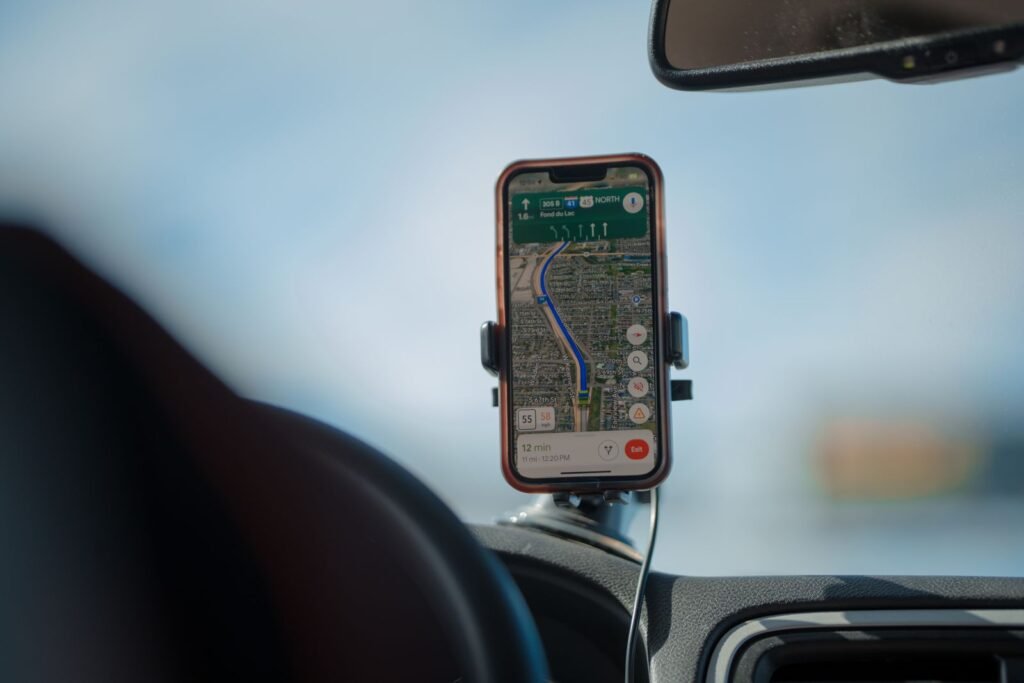
The Illinois Department of Insurance warns that personal auto policies often exclude coverage when you are paid to drive. It says this exclusion can reach liability, injury protection, collision, comprehensive and uninsured motorist coverage. It also says drivers should tell their insurer about rideshare work, because failing to disclose it could lead to a denied claim or a canceled policy.
Options drivers commonly use
- A rideshare endorsement. Many insurers sell an add-on that fills some of the gap while the app is on.
- A commercial auto policy. This usually costs more but is built for paid driving.
- The platform’s coverage. Uber and Lyft policies apply during certain app periods, but they may not cover your own injuries.
Before you call your insurer after a crash
- Find your declarations page and check for a rideshare endorsement.
- Write down your app status at the time of the crash.
- Report the facts briefly and honestly. Avoid guessing about fault or injuries.
- Ask for the claim number and the adjuster’s name, and keep notes of every call.
If your insurer says it will not cover the crash, ask for the reason in writing. A written denial helps a participating law firm see where the gap is and whether another policy may apply.
Paying Medical Bills While Rideshare Driver Injury Claims Are Pending
Rideshare driver injury claims can take months to resolve. Medical bills often arrive much sooner. Knowing which coverage might pay first can reduce stress while you recover.
Sources that may help with bills
- Health insurance. Your own health plan may pay for treatment now. It may later ask to be repaid from any settlement. This is often called a lien or a right of reimbursement.
- Personal injury protection (PIP). In no-fault states, PIP may pay some medical bills and lost wages regardless of fault. Whether it applies during rideshare work depends on your policy and state law.
- Medical payments coverage (MedPay). Some policies include MedPay, which pays medical costs up to a set amount. Check whether your policy excludes rideshare use.
- Occupational accident insurance. California drivers may have coverage under Proposition 22. A few platforms offer optional accident coverage in other states. Read the terms closely.
- The at-fault driver’s insurer. If someone else caused the crash, their liability coverage may pay, but usually only after the claim is resolved.
Tips for handling bills
- Give every provider your health insurance information, even if you expect another policy to pay.
- Keep copies of every bill, explanation of benefits and receipt.
- Do not ignore collection notices. Call the provider and explain that a claim is pending.
- Ask a participating law firm how liens and repayment rules work in your state before you settle.
How Rideshare Driver Injury Claims Account for Lost Gig Income
For many drivers, the biggest loss after an injury is income. But gig earnings go up and down from week to week. That can make lost income harder to prove in rideshare driver injury claims than a regular paycheck.
The good news is that rideshare work leaves a detailed digital record. Drivers can often show what they earned before the injury and what they lost after.
Records that can help prove lost income
- Weekly and monthly earnings summaries from each app you drive for
- Tax forms, such as 1099s, and past tax returns
- Bank statements showing app deposits
- Trip logs that show how many hours and days you usually drove
- Notes from your doctor about when you can return to work and any limits
Other costs drivers may include
- Rental car costs or time off the road while your car is repaired
- The deductible you paid on contingent collision coverage
- Lost bonuses or incentives you were on track to earn, if you can document them
- Delivery or other app work you could not do because of the injury
If you drive for more than one app, gather records from all of them. A full picture of your usual earnings can make a real difference in how lost income is measured.
Mistakes That Can Weaken Rideshare Driver Injury Claims
Drivers are often eager to get back on the road. That makes sense when bills are piling up. But a few common steps can make rideshare driver injury claims harder later.
- Going back online too soon. Driving against medical advice can worsen an injury and can be used to argue the injury was not serious.
- Skipping follow-up care. Gaps in treatment are often used to question how badly someone was hurt.
- Deleting the app or messages. Keep trip details, rider messages and in-app reports, even if you stop driving.
- Signing papers quickly. Read any release, settlement or medical authorization carefully. Some releases end all future claims.
- Posting about the incident. Social media posts about the crash, the assault or your recovery can be taken out of context.
- Waiting too long. Deadlines vary by state and claim type. Some are as short as one or two years.
If the platform deactivated your account after an incident, save any notices you received. Deactivation is a separate issue, but the records may still help explain your situation.
What to Expect Over Time
Every claim is different, but many rideshare driver injury claims move through similar stages. Knowing the general order can make the wait feel less uncertain.
- The first days. You get medical care, report the incident to police and in the app, and notify your insurer.
- The first weeks. Insurers open claims, ask for records and may ask for statements. Your car may be inspected for damage.
- Treatment. You follow your care plan. Many claims are not valued until doctors have a clear idea of your recovery.
- The demand. Once treatment is far enough along, a demand package with bills, records and lost income is usually sent to the insurer.
- Negotiation. The insurer may accept, reject or make a lower offer. Back-and-forth talks are common.
- Filing a lawsuit, if needed. If talks stall or a deadline is near, a lawsuit may be filed. Most cases still settle before trial, but no one can promise how a case will end.
Some steps happen at the same time, and some cases move faster than others. A participating law firm can explain what is typical in your state.
Common terms you may hear
- Declarations page: The summary page of your auto policy that lists your coverages and limits.
- Endorsement: An add-on that changes what your policy covers, such as rideshare coverage.
- Contingent coverage: Coverage that applies only if certain conditions are met, such as having your own collision policy.
- Actual cash value: What your car was worth just before the crash, after wear and tear.
- Lien: A right of a health plan or provider to be repaid from a settlement.
- Independent contractor: A worker who is not treated as an employee, which is why workers’ comp often does not apply to drivers.
Questions to Ask a Law Firm About Rideshare Driver Injury Claims
If you decide to talk with a participating law firm, it helps to come with questions. A review is a two-way conversation.
- Have you handled rideshare driver injury claims before, for both crashes and assaults?
- Which policies might apply to my app status and my state?
- How do you handle health insurance liens and medical bills?
- How will you calculate my lost gig income?
- What are the deadlines that apply to my claim?
- How are fees and case costs handled, and will I get the agreement in writing?
- How often will you update me, and who is my contact person?
Write down the answers. Comparing firms is normal, and you can take time before deciding anything.
You do not need to have every record ready before you ask. Many rideshare driver injury claims start with just a few basic facts: the date, the app you were using, what happened and how you were hurt. A firm can tell you what else may help.
Frequently asked questions
Can an Uber or Lyft driver file a workers’ comp claim?
Usually not, because most drivers are classified as independent contractors. Some states have special rules, and classification can be disputed. A participating law firm may review how your state treats drivers.
Does Uber’s $1 million policy cover my own injuries?
Generally no. That limit is liability coverage for injuries to riders and third parties when the driver is at fault. Your own injuries may be covered by the other driver’s insurance, UM/UIM where available, or your own policies.
I was assaulted by a rider. Do I have a case?
It depends on the facts, including what the company knew and your state’s law. You may have claims against the person who harmed you and, in some cases, others. A firm can review your situation confidentially.
How long do I have to file?
Deadlines vary by state and claim type. Some are as short as one or two years, so it helps to ask early.
What if the rider gave a fake name?
The platform keeps account and payment records for every trip. Uber says it offers rider verification, and drivers can see a “Verified” badge on some requests (Uber). A law firm may be able to request account records as part of a claim.
How Direct2Attorney can help
Direct2Attorney connects rideshare drivers and passengers with participating law firms that handle these claims. You can share what happened through our rideshare lawsuit page, and a participating firm may review whether you qualify. If a crash did not involve the app at all, see our motor vehicle accident page.
Rideshare driver injury claims can be complicated, but you do not have to sort out the coverage alone.
Direct2Attorney is a legal marketing and referral service, not a law firm. This article is general information, not legal advice. Submitting information does not create an attorney-client relationship.