
In this article (12 sections)
- What is MDL 3081?
- The barium sulfate theory
- Bard PowerPort lawsuit bellwether results
- What the FDA records show
- How the MDL process works, step by step
- Who is affected by the Bard PowerPort lawsuit
- How Many Cases Are in the Bard PowerPort Lawsuit Now?
- Filing Deadlines in a Bard PowerPort Lawsuit
- Common Claims in a Bard PowerPort Lawsuit
- Myths and Facts About the Bard PowerPort Lawsuit
- Bard PowerPort lawsuit explained: frequently asked questions
- How Direct2Attorney can help
Last updated: October 2026
The Bard PowerPort lawsuit is a group of more than 3,700 federal cases claiming that Bard’s implanted port catheters can break down and cause infection, fracture, migration, and blood clots. The cases are combined in MDL No. 3081 in Arizona. The first two bellwether trials in 2026 ended with a mostly defense verdict and a $40 million plaintiff verdict. Here is a clear look at the Bard PowerPort lawsuit, including how many cases are pending now, how deadlines work, and common myths.
This explainer covers how the litigation works, what the barium sulfate theory says, and where things stand as of October 2026.
What is MDL 3081?
On August 8, 2023, the U.S. Judicial Panel on Multidistrict Litigation (JPML) created MDL No. 3081, titled In re: Bard Implanted Port Catheter Products Liability Litigation. It sent the cases to Senior U.S. District Judge David G. Campbell in the District of Arizona.
At the time, there were 10 cases in six districts. By the JPML’s September 1, 2026 report, there were 3,734 pending actions.
The defendants named in the order are Becton, Dickinson and Company (BD), C.R. Bard, Inc., and Bard Access Systems, Inc. BD owns Bard.
An MDL is not a class action. Each person keeps an individual case. The MDL simply handles shared pretrial work, like evidence gathering, in one court.
What products are involved
Bard has sold several implanted port lines, including PowerPort, PowerPort M.R.I., PowerPort ClearVUE, and PowerPort duo models. The MDL covers Bard implanted port catheters generally, not just one model. Some catheters are made of polyurethane and others of silicone, such as Bard’s Groshong catheters. The second bellwether trial involved a silicone Groshong catheter.
The barium sulfate theory
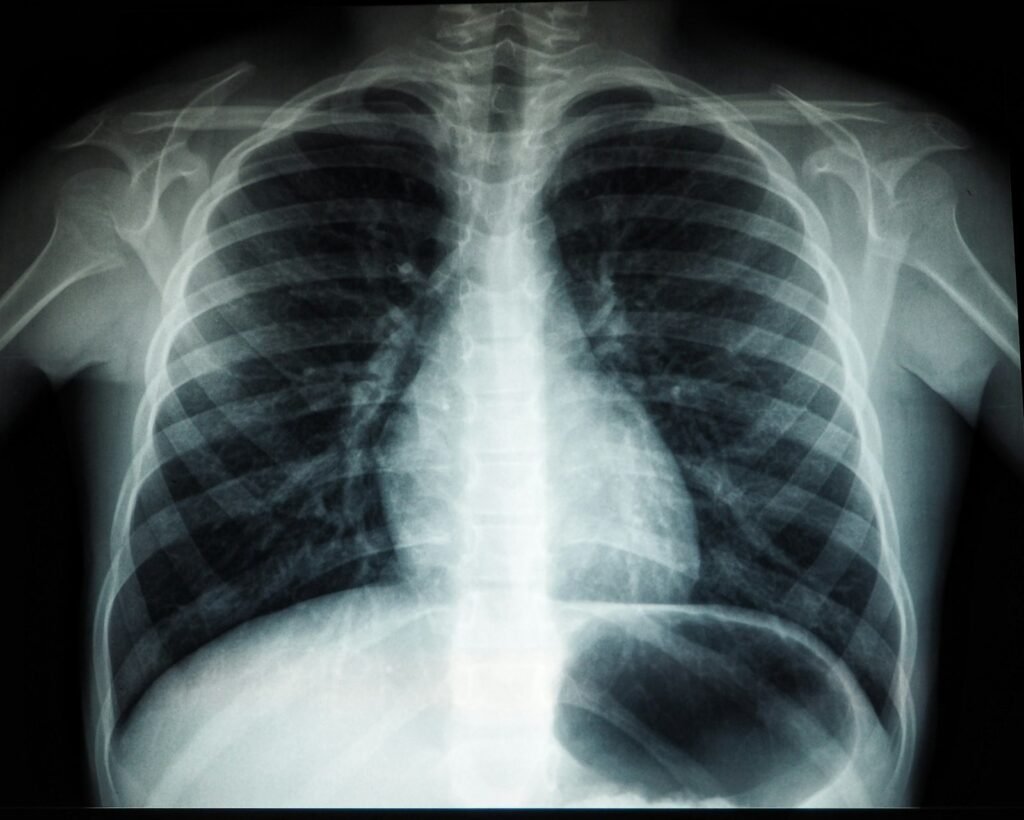
Most plastics used in catheters don’t show up on X-rays. Makers add barium sulfate so doctors can see the catheter on imaging. A 2024 study on radiopaque polyurethanes explains that the filler is added because most polymers are not naturally visible inside the body.
The lawsuits claim Bard used too much. In the JPML’s words, plaintiffs allege the catheter has “a concentration of barium sulfate that is too high, which reduces the material integrity of the catheter.” They say this can lead to infection, fracture, migration and thrombosis (clots).

How the theory is supposed to work
Plaintiffs argue that the weakened catheter surface can crack or become rough over time. They say this can:
- Let the catheter break, with pieces traveling to the heart or lungs
- Give bacteria places to attach, raising infection risk
- Encourage clots to form on the catheter
The same 2024 study found that higher barium sulfate levels changed how the material broke down under heat. That lab study did not test Bard’s devices. Whether Bard’s catheters actually failed this way is a disputed question for the courts. Bard denies the claims.
Bard PowerPort lawsuit bellwether results
Bellwether trials are test cases. Judge Campbell’s August 2025 case management order set six for 2026, though the schedule has since changed.
Trial 1: Cook (infection)
Robert Cook claimed his port caused a serious infection. In May 2026, the jury rejected his failure-to-warn, negligence and consumer fraud claims but could not agree on design defect, Courthouse News reported. His lawyer said he would retry the undecided claims.
Trial 2: Divelbliss (fracture)
Kimberly Divelbliss claimed her catheter fractured and a piece lodged in her heart. On September 4, 2026, the jury awarded $40 million in compensatory damages, finding design defect and failure to warn, AboutLawsuits reported. It rejected fraud and manufacturing defect claims and awarded no punitive damages.
For a closer look at why these results differed, see two trials, two outcomes.
What’s next
The third bellwether, an infection case, is set for October 13, 2026. Others are scheduled for December 1, 2026 and February 2, 2027.
What the FDA records show
There is no FDA recall of Bard PowerPorts based on the barium sulfate claims. The FDA database does list smaller Class 2 recalls of specific PowerPort lots for other issues:
- 2019: Some PowerPort kits may have had the wrong tunneler tip (178 units).
- 2020: Some PowerPort ClearVUE Slim kits may have had the wrong size catheter lock (200 units).
- 2021: Some PowerPort duo M.R.I. ports had possible flushing problems and septum dislodgement (189 units).
The FDA’s MAUDE database also holds reports of port problems. Reports alone don’t prove a device caused an injury, but they can show patterns. Patients and doctors can add reports through FDA MedWatch.
How the MDL process works, step by step
Large product cases follow a fairly standard path. Here is how MDL 3081 has moved so far and what may come next:
- Centralization (2023): The JPML combined the federal cases in Arizona to avoid repeated work and conflicting rulings.
- Organizing the case: The court appointed lawyers to lead the plaintiffs’ side and set rules for sharing evidence.
- Discovery: Bard produced internal records, including complaint and device history files, under court orders such as the August 2025 case management order.
- Pretrial rulings: The judge decided which witnesses and evidence juries could hear.
- Bellwether trials (2026 onward): Test cases go to juries.
- Resolution: Cases may settle, go to trial, or be sent back to their home courts.
There is no fixed timeline for the last step. Settlement talks often follow a series of bellwether results, but that is not always the case.
If cases don’t settle, the judge can send them back to the federal courts where they were first filed for separate trials. That step is called remand. It usually comes late in an MDL, after the bellwether program has run its course.
People who file now join the same MDL. Their cases go through the same shared pretrial process, even though the early bellwether cases are already set.
Who is affected by the Bard PowerPort lawsuit
Implanted ports are widely used for chemotherapy, IV nutrition, and long-term medicines. Cleveland Clinic says ports can stay in place for years and handle many needle sticks. It also notes that about 1 in 3 people have problems with implanted ports.
Those in the lawsuit include cancer patients, people with chronic illness, and families of people who died. Some had their ports for months, others for years, before a problem appeared. Each person’s claim is individual, even though the cases are grouped together.
How Many Cases Are in the Bard PowerPort Lawsuit Now?
The number of cases has grown quickly. The JPML’s October 1, 2026 report listed 4,140 pending actions in MDL 3081. One month earlier, the September 1 report listed 3,734. That is a jump of more than 400 cases in a single month.

Pending cases versus total cases
The same October report shows 4,420 total actions in the MDL over its life. The difference between the two numbers is cases that are no longer pending. A case can leave the pending count for several reasons, such as being dismissed or closed.
When you see a number in the news about the Bard PowerPort lawsuit, check which count it uses and the date of the report. Both numbers can change from month to month.
Why the numbers matter
- More cases can mean more pressure on both sides to find a path to resolution.
- A larger docket means the court relies even more on bellwether trials and shared rules.
- Growth often follows big news, such as a large verdict. The $40 million verdict came in September 2026.
Still, the size of the docket does not change the facts of any single case. Each Bard PowerPort lawsuit is decided on its own records and injuries.
For people thinking about a Bard PowerPort lawsuit, the growing count is a reminder that many others have had similar problems. You are not alone in asking questions.
What the law says about MDLs
MDLs are created under a federal law, 28 U.S.C. § 1407. It allows similar cases from different districts to be sent to one court for coordinated pretrial work. The law also says each case must be sent back to its original court at or before the end of pretrial proceedings, unless it has already ended.
Filing Deadlines in a Bard PowerPort Lawsuit
Every injury claim has a time limit. These time limits are set by state law, and they vary a lot from state to state and by claim type. Missing a deadline can end a claim, even a strong one. That is why it helps to understand the basics.
Statutes of limitations
A statute of limitations is the main deadline for filing a lawsuit. For a product injury claim, it is often measured in years, but the exact number depends on your state and the type of claim.
When the clock may start
In many states, the clock does not always start on the day a port was placed. Some states use what is called a discovery rule. Under that idea, the time limit may begin when a person knew, or reasonably should have known, about the injury and its possible cause.
How a discovery rule works, and whether it applies at all, depends on state law and the facts. A participating law firm can review which rules may apply to a Bard PowerPort lawsuit in your state.
Other deadlines to know about
- Wrongful death claims often have their own deadline, which may start on the date of death.
- Statutes of repose in some states set an outer limit tied to when a product was sold or first used, no matter when the injury was discovered.
- Claims for minors may have different rules in some states.
Because these rules are complex, it is wise not to wait. Even if you are unsure whether you have a claim, asking early keeps more options open.
Steps that can help protect your deadline
- Write down the date your port problem started and the date a doctor first told you what happened.
- Request the records that show those dates, such as ER notes and imaging reports.
- Note the state where you lived when the port was placed and when the injury happened. Both can matter.
- Ask a participating law firm to review your timeline before any Bard PowerPort lawsuit deadline may pass.
None of these steps commit you to filing. They simply make sure you have the information needed to make a choice in time.
Common Claims in a Bard PowerPort Lawsuit
Most complaints in the litigation bring several legal claims at once. Knowing what each one means can help you follow the news and understand trial results.
Design defect
This claim says the catheter was unsafe because of how it was designed. In the MDL, the core design theory is that too much barium sulfate weakened the catheter. In the second bellwether trial, the jury found for the plaintiff on design defect. In the first trial, jurors could not agree on this claim.
Failure to warn
This claim says Bard did not give doctors enough warning about risks. The two juries reached different results here. The first jury rejected the warning claims in an infection case. The second jury accepted them in a fracture case.
Manufacturing defect
This claim says a specific device was made wrong, different from its design. The second jury rejected this claim, even while finding for the plaintiff on design defect.
Negligence and strict liability
Negligence says a company failed to use reasonable care. Strict liability can hold a maker responsible for a defective product without proof of carelessness. Both theories were part of the second trial’s verdict on design and warnings.
Fraud and consumer protection claims
Some complaints also say the company misled patients or doctors. The first jury rejected a consumer fraud claim, and the second rejected fraudulent concealment.
What damages a Bard PowerPort lawsuit may seek
Damages are the money a person asks for to make up for harm. In product injury cases, they often fall into a few groups:
- Past and future medical costs, such as surgery to remove a fragment or treat an infection.
- Lost income for the patient, and sometimes the time a caregiver missed from work.
- Pain, suffering and loss of enjoyment of life.
- In some states and cases, punitive damages, which are meant to punish very serious misconduct.
The second bellwether jury awarded compensatory damages but declined punitive damages. What a Bard PowerPort lawsuit may seek depends on state law and the facts.
Wrongful death
When someone dies after a port complication, family members or the estate may bring a wrongful death claim. Who can bring this claim, and what damages are allowed, depends on state law. A Bard PowerPort lawsuit for wrongful death is reviewed with the same care for records as an injury case.
Myths and Facts About the Bard PowerPort Lawsuit
A lot of information about the Bard PowerPort lawsuit is shared online, and not all of it is accurate. Here are some common myths and what the record shows.
Myth: “It’s a class action, so everyone gets the same amount.”
Fact: The cases are part of an MDL, not a class action. Each person keeps an individual case. Any outcome would depend on that person’s injuries, records and state law.
Myth: “The PowerPort was recalled for this problem.”
Fact: There has been no FDA recall of Bard PowerPorts based on the barium sulfate claims. The FDA database lists a few small lot recalls for other issues.
Myth: “There’s already a settlement.”
Fact: As of the latest reports, no global settlement had been announced. Ads that list “average payouts” are guesses.
Myth: “You have to live in Arizona.”
Fact: The MDL is based in Arizona, but it includes people from many states. The first two bellwether plaintiffs were from Minnesota and New Mexico.
Myth: “The $40 million verdict sets the value of every case.”
Fact: Bellwether verdicts do not decide other cases. The award was based on one person’s injuries and could still change after post-trial motions or appeal.
Myth: “I will have to testify in a courtroom in Arizona.”
Fact: Only a small number of cases are picked as bellwether trials. Most people in an MDL never go to trial themselves. If you file a Bard PowerPort lawsuit, you may be asked to fill out forms about your health history and injury instead.
Myth: “It’s too late because the trials have started.”
Fact: New cases continue to join the MDL, and the October 2026 numbers show strong growth. Whether a Bard PowerPort lawsuit is still possible for you depends on the deadline in your state, not on the trial schedule.
If you are unsure what is true, look for sources that name the court, the case and the date. Court reports and official records are more reliable than social media posts.
It is also fine to ask questions directly. A participating law firm can explain what is happening in the MDL in plain words, and your doctors can answer questions about your port and your health. Getting facts from the right people can save you a lot of worry and help you decide on your next step with confidence.
Bard PowerPort lawsuit explained: frequently asked questions
Is the Bard PowerPort recalled?
There is no broad recall tied to the barium sulfate claims. A few small lot recalls happened for other issues.
Which injuries are part of the lawsuits?
The JPML order lists infection, catheter fracture, catheter migration and thrombosis (blood clots).
Is there a deadline to file?
Yes. Deadlines vary by state and claim type, so it’s wise not to wait.
How Direct2Attorney can help
If you had a complication with a Bard implanted port, Direct2Attorney can connect you with a participating law firm for a free review. A firm may explain whether you may qualify. Visit our Bard PowerPort lawsuit page.
The Bard PowerPort lawsuit is still unfolding, and upcoming trials may shape what happens next.
Direct2Attorney is a legal marketing and referral service, not a law firm. This article is general information, not legal advice. Submitting information does not create an attorney-client relationship.