
In this article (12 sections)
- What has been filed against San Diego County
- Where the San Bernardino County cases stand
- How the Los Angeles County settlement shapes these claims
- AB 218, AB 452 and the deadlines that apply
- The government-claim step and the new 2026 law
- What survivors can do now
- How a Polinsky Children’s Center Lawsuit Usually Moves Forward
- Records That May Help a Polinsky Children’s Center Lawsuit
- Questions to Ask a Participating Law Firm
- Caring for Yourself While You Decide
- Polinsky Children’s Center lawsuit: frequently asked questions
- How Direct2Attorney can help
Last updated: October 2026
Hundreds of lawsuits now accuse San Diego County of failing to protect children at the A.B. and Jessie Polinsky Children’s Center and at county juvenile halls, and a smaller but growing group of cases targets San Bernardino County’s juvenile detention system. None of these claims has been resolved by a public settlement as of October 2026, and both counties dispute the allegations or have declined to comment on pending litigation. If you are weighing a Polinsky Children’s Center lawsuit, the sections below walk through how these cases usually move, what records may help and how to care for yourself along the way.
This update explains what has been filed and reported, how Los Angeles County’s record settlement and California’s AB 218 shape these cases, a new 2026 state law that changes some rules, and what survivors can do now.
If you are a survivor and this topic is hard to read about, you can take breaks. Free, confidential support is available 24/7 from the RAINN National Sexual Assault Hotline at 800-656-4673.
What has been filed against San Diego County
The largest group of San Diego cases centers on Polinsky Children’s Center, the county-run emergency shelter in Kearny Mesa for children removed from their homes. In fall 2024, lawsuits on behalf of more than 100 former residents alleged that staff sexually abused children there over a span of decades, according to KPBS.
The complaints allege weak background checks, poor supervision and threats that discouraged children from reporting. The county, whose Health and Human Services Agency runs the shelter, said it could not comment on pending litigation.
The filings did not stop there. Reporting in 2026 describes a steady stream of new cases:
- In July 2026, eight more former youths filed suit over alleged abuse at Kearny Mesa and East Mesa juvenile detention facilities, the now-closed Camp Barrett and Polinsky. The County Counsel’s Office moved that case from state court to federal court.
- In August 2026, two lawsuits added at least 88 more claimants who allege abuse in county juvenile halls, at Polinsky or in foster care, EdSource reported, citing the San Diego Union-Tribune. More than 300 cases are reported to be pending.
- Those filings claim the abuse reflected a long-running, “systemic” failure by county officials rather than a few individual employees. These are allegations, and the county has not admitted them.
Where the San Bernardino County cases stand
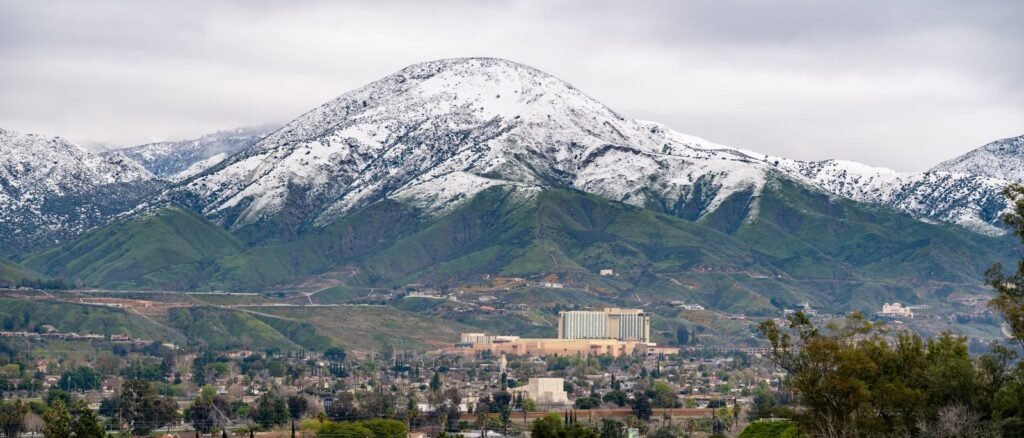
San Bernardino County cases have drawn less news coverage, but they are moving forward. In late 2023, NBC4 in Los Angeles reported on a lawsuit by four people who allege abuse by county probation staff, including one man who said he was abused at age 10. The county said at the time it had not been served and declined further comment.
In May 2026, KVCR News reported a federal lawsuit alleging that 10 youths detained in San Bernardino County Juvenile Hall between 1998 and 2005 were sexually abused by adult guards, counselors and others responsible for their care. Other suits may involve different county facilities, but public court details are limited.
Because many plaintiffs file as “Doe” to protect their privacy, the total number of San Bernardino claims is hard to confirm from outside the courts. A participating law firm can check what has already been filed for a specific facility and time period.
How the Los Angeles County settlement shapes these claims
Los Angeles County is the clearest example of where large groups of AB 218 claims against a county can lead. On April 29, 2025, the LA County Board of Supervisors approved a $4 billion settlement of sexual abuse claims tied mostly to juvenile facilities such as MacLaren Children’s Center and county juvenile halls. It is widely reported as the largest settlement of its kind in U.S. history.
In October 2025, LA County announced a tentative deal of up to $828 million for more than 400 additional cases. That raised total potential payments to about $4.8 billion, with payments spread over many years.
What this means, and does not mean, for San Diego and San Bernardino:
- It is a benchmark, not a promise. Each county has its own budget, insurance, legal strategy and facts. No one can predict what, if anything, either county will pay.
- Fraud safeguards are spreading. LA County added sworn statements under penalty of perjury and extra review by retired judges after concerns about recruited claims. Other counties may push for similar checks, so truthful, careful claims matter.
AB 218, AB 452 and the deadlines that apply
California’s AB 218, in effect since January 1, 2020, is the reason so many older claims are now in court. Under Code of Civil Procedure §340.1, a survivor of childhood sexual assault generally has until age 40, or five years after discovering that an injury was caused by the abuse, whichever is later, to file. AB 218 also opened a three-year window that revived older claims; that window closed at the end of 2022.
A later law, AB 452, removed the filing deadline for childhood sexual assault that happens on or after January 1, 2024. For abuse that happened earlier, the age-40 and five-year rules still matter. Deadlines can depend on the facts, so a firm should review your dates.
Lawmakers have also turned down a wider reopening. In September 2024, Governor Newsom vetoed AB 2693, which would have revived for one year claims against county juvenile probation camps and detention facilities that are otherwise too old to file. That means time limits are a real concern for many survivors who are now over 40.
The government-claim step and the new 2026 law
Do you have to file a government claim first?
Most injury claims against a California county start with a written government claim, usually within six months. Childhood sexual assault claims brought under §340.1 are generally exempt from that requirement under Government Code §905(m), and AB 218 revived claims that had been blocked by missed claim deadlines. A firm will still check whether any related claim, such as one for harm after age 18, needs a separate government claim.
What SB 577 changes
On September 30, 2026, Governor Newsom signed SB 577, a compromise bill aimed at the financial strain these lawsuits place on public agencies, according to the author’s office. Based on CalMatters’ reporting on the final bill, it:
- Sets a higher “clear and convincing evidence” standard for some older claims, including many survivors over 40 and certain cases from before 2024.
- Does not cap the damages survivors can recover, which counties and schools had sought.
- Requires counties, cities and school districts to file codes of conduct and abuse prevention plans with the state Attorney General by January 1, 2028.
- Allows $25,000 fines for claims filed in bad faith.
Survivor advocates warned that the higher standard may be hard for older survivors to meet. How SB 577 applies to cases already filed against San Diego and San Bernardino counties may depend on its final text and future court rulings, so ask a participating firm how it could affect your situation.
What survivors can do now
You do not need to have every detail figured out to learn your options. Some steps that may help:
- Write down what you remember when you feel ready: the facility name, rough dates, unit or wing, and any staff names or roles. Approximate is fine.
- Gather records you already have, such as court, probation, foster care or school papers, and counseling records. A firm may be able to request county records for you.
- Be cautious about anyone offering money to sign up or pressuring you to sign quickly. Legitimate firms do not pay people to file claims.
- Ask about privacy. Many survivors file as “Doe,” and you can ask how your name and information will be protected.
- Look after yourself. RAINN (800-656-4673) and local counselors can support you whether or not you ever file.
Survivors of abuse in other states or other kinds of facilities can learn more on our juvenile detention abuse lawsuit page.
How a Polinsky Children’s Center Lawsuit Usually Moves Forward
Knowing the general path of a case can make it feel less overwhelming. Every case is different, but most civil abuse claims against a county follow a similar set of stages. A Polinsky Children’s Center lawsuit is no exception.
You do not have to manage these steps alone. A participating law firm handles the court filings, and you decide how involved you want to be at each stage.
Stage 1: A private first conversation
It usually starts with a short, confidential talk about when you were at the facility and what happened. You can share as much or as little as you are ready to share. Nothing is filed at this point.
Stage 2: Gathering records
If a firm agrees to review a possible Polinsky Children’s Center lawsuit, it will usually look for placement records, medical records and any reports made at the time. This step can take weeks or months, because older county files may be stored offsite.
Stage 3: Filing the complaint
A complaint is the written document that starts a civil case. In California abuse cases, survivors can often file using a pseudonym such as “Jane Doe” or “John Doe,” so your name may not appear in the public record.
Stage 4: Discovery and depositions
In discovery, each side asks the other for documents and information. A deposition is a recorded interview under oath. The federal courts glossary explains these terms in plain language if you want to read more.
Stage 5: Settlement talks or trial
Many civil cases end in a negotiated settlement, while some go to trial. No one can promise how a Polinsky Children’s Center lawsuit will end or how long it will take, and the timeline can depend on how many related cases are moving through the same court.
Records That May Help a Polinsky Children’s Center Lawsuit
You do not need to have every document before you talk with a firm. Many survivors have almost nothing from their time in care, and that is common. Still, it helps to know which records may exist.
- Juvenile court records. California juvenile courts have a formal request process using Form JV-570, as the San Bernardino Superior Court explains.
- Child welfare or probation files. These may show dates, placements and the names of staff assigned to you.
- Medical and mental health records. Records from the facility, a later doctor or a therapist can help show how you were affected.
- School records. Changes in grades or attendance during and after a placement can sometimes help tell your story.
- Your own notes. Write down dates, building or unit names, and any staff names you remember. Keep these notes private.
Why it can help to ask early
Some juvenile records are sealed or destroyed on a set schedule. The court page linked above notes that certain files are ordered destroyed after specific periods. If you are thinking about a Polinsky Children’s Center lawsuit, asking about records sooner rather than later may help preserve what still exists.
What if records are missing?
Missing records do not automatically end a claim. Witness accounts, your own memory and records from other agencies may still matter. A firm reviewing a Polinsky Children’s Center lawsuit can explain what the gaps mean for your situation.
Questions to Ask a Participating Law Firm
It is normal to feel unsure about talking with a lawyer. Writing your questions down ahead of time can help you stay in control of the conversation. Here are some you may want to ask before agreeing to move forward with a Polinsky Children’s Center lawsuit.

- Have you handled claims against San Diego County or San Bernardino County before?
- Which deadline do you think applies to my situation, and why?
- Will I need to file a government claim, or does an exception apply to my case?
- How will you protect my name and personal details?
- How are fees and case costs handled, and will I get that in writing?
- Who will be my main contact, and how often will I hear from the firm?
- Will I have to testify or give a deposition, and how will you prepare me?
- Can I pause or stop the process if it becomes too much?
A good conversation should leave you feeling informed, not pressured. You are allowed to take time to think, talk with someone you trust, or speak with more than one firm. A Polinsky Children’s Center lawsuit is your decision.
Warning signs to watch for
Most firms are respectful and patient. Still, it helps to know what should make you pause before you sign anything related to a Polinsky Children’s Center lawsuit.
- Someone promises a certain dollar amount or a sure win.
- You are pushed to sign an agreement during the first call.
- No one will explain fees or costs in writing.
- You are asked to share details you are not ready to share.
- Contact comes from someone you did not reach out to and who will not say who they work for.
If any of these happen, it is fine to end the call. You can always ask questions about a Polinsky Children’s Center lawsuit somewhere else.
Caring for Yourself While You Decide
Thinking about the past can bring up strong feelings, even many years later. That reaction is normal. Taking care of yourself matters more than any legal timeline.
Talking with family or a partner
You decide who knows about your experience and about any Polinsky Children’s Center lawsuit you may be considering. Some people choose to tell one trusted person first. Others wait until they feel ready, or never share details at all.
- Pick a calm, private time to talk.
- Share only what feels safe for you.
- Let them know what kind of support would help, such as listening or going to appointments with you.
Getting support right now
If you would like to talk with someone confidentially, the RAINN National Sexual Assault Hotline is available 24/7 at 800-656-4673. A counselor or therapist who understands trauma can also help you sort through your feelings at your own pace.
Pacing the process
You can ask a firm to slow down, take breaks between calls, or send information in writing. Choosing to explore a Polinsky Children’s Center lawsuit does not mean you must relive every detail at once. Your well-being comes first, and the right support can make each step feel more manageable.
Polinsky Children’s Center lawsuit: frequently asked questions
Has San Diego County settled the Polinsky lawsuits?
As of October 2026, no public, countywide settlement of the Polinsky or San Diego juvenile hall cases has been reported. The cases remain pending, and the county has declined to comment on them.
Can I still file if I was at a San Diego or San Bernardino facility years ago?
Possibly. If the abuse happened before 2024, the general rule is until age 40 or five years from discovery. Some survivors over 40 may still qualify under the discovery rule, and SB 577 may add new evidence requirements. A participating firm can review your dates.
Will my name become public?
Many survivors in these cases file under a pseudonym such as “Jane Doe” or “John Doe.” Ask any firm you speak with how it protects your identity in court papers.
Does the LA County settlement tell me what my claim is worth?
No. It shows that counties can resolve large groups of claims, but every county and every case is different. No one can promise a result or an amount.
How Direct2Attorney can help
If you or someone you love was harmed at Polinsky Children’s Center or a San Diego or San Bernardino County juvenile facility, Direct2Attorney can connect you with a participating law firm for a free, confidential review. You can share as much or as little as you are comfortable with. Visit our San Diego and San Bernardino juvenile facility abuse lawsuit page to learn more and start a review.
Direct2Attorney is a legal marketing and referral service, not a law firm. This article is general information, not legal advice. Submitting information does not create an attorney-client relationship.