
In this article (9 sections)
- CIW Abuse Lawsuit Eligibility: The Short Version
- What the 2026 Federal Findings Say About CIW
- Factors That Often Affect CIW Abuse Lawsuit Eligibility
- Records That May Support Your Claim
- Common Concerns About Coming Forward
- What a Free CIW Case Review Involves
- Taking Care of Yourself Along the Way
- Frequently Asked Questions About CIW Abuse Lawsuit Eligibility
- Next Steps
If you were held at the California Institution for Women (CIW) in Chino and were sexually abused or harassed by a staff member, you may be wondering whether you could still bring a civil claim. This guide explains CIW abuse lawsuit eligibility in plain language: the general factors attorneys tend to look at, how federal findings released in August 2026 fit in, and what a free, confidential case review through Direct2Attorney involves. Direct2Attorney is not a law firm and does not give legal advice. We are a referral service that connects people with participating law firms, and only a licensed attorney can tell you whether your situation qualifies.
You do not have to read this all at once, and you do not have to share anything you are not ready to share. Take what is useful and leave the rest.
CIW Abuse Lawsuit Eligibility: The Short Version
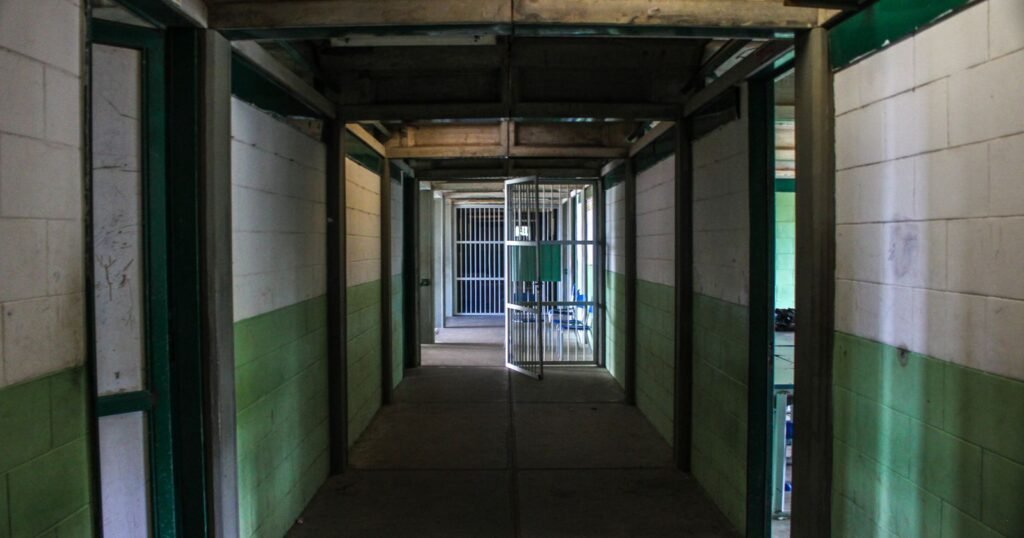
There is no single checklist that decides CIW abuse lawsuit eligibility. Every claim depends on its own facts, the dates involved, and the law that applies. In general, though, attorneys reviewing these cases often start with a few basic questions:
- Were you incarcerated at CIW (or another California women’s prison) at the time of the abuse?
- Was the person who abused or harassed you a correctional officer, staff member, contractor, or someone else working at the facility?
- Did the abuse happen when you were 18 or older? (Different rules generally apply to abuse that happened before age 18.)
- Roughly when did it happen? Dates matter because California deadlines depend on when the conduct occurred and when a claim is filed.
- Did you report it, try to report it, or were you discouraged from reporting it? Not reporting does not by itself mean you are ineligible.
- Have you already filed a claim or signed a settlement about the same events?
If you can answer some of these questions, that is usually enough to begin a conversation. You do not need every date or document before you ask for a review.
What the 2026 Federal Findings Say About CIW
On August 13, 2026, the U.S. Department of Justice announced that it had found reasonable cause to believe that the California Department of Corrections and Rehabilitation (CDCR), the Central California Women’s Facility in Chowchilla, and the California Institution for Women in Chino are failing to protect women in custody from sexual abuse and harassment by staff. According to the Justice Department announcement, the problems identified include weak safeguards, broken confidential reporting, flawed investigative practices, and inadequate accountability, and the Department concluded these conditions violate the Eighth and Fourteenth Amendments.
The Department also said the facilities fail to adequately implement the Prison Rape Elimination Act (PREA), and it described remedial steps such as expanded camera coverage, better confidential reporting channels, stronger investigations, and improved staff training and monitoring. The announcement stated that the Attorney General may sue under the Civil Rights of Institutionalized Persons Act (CRIPA) if the concerns are not adequately addressed within 49 days.
What the findings do and do not mean for you
The findings are important context, but they are not a lawsuit filed on behalf of individual survivors, and they do not decide anyone’s personal claim. A federal finding about conditions at a prison is different from a civil case seeking compensation for one person’s injuries. Still, public findings like these may help explain to an attorney why reporting felt unsafe or why complaints were not acted on. A participating law firm can explain whether and how the findings might matter for your situation.
The Justice Department also listed ways to share information with its investigators, including a phone line at (888) 392-9490 and the email address Community.CAWomensPrisons@usdoj.gov. Sharing information with the government is separate from bringing a civil claim, and you can choose to do one, both, or neither.
Factors That Often Affect CIW Abuse Lawsuit Eligibility
Below are factors that commonly come up when a participating law firm evaluates a claim. None of them is a guarantee, and none is automatically disqualifying.
1. Who the abuser was
Claims in this area usually involve abuse or harassment by someone in a position of authority: correctional officers, supervisors, medical or mental health staff, kitchen or work-program staff, chaplains, or contractors. Federal investigators specifically noted that misconduct was not limited to correctional officers. Abuse by another incarcerated person can raise different legal questions, so it is worth mentioning but may be evaluated differently.
2. What happened
Sexual abuse in custody can include assault, coerced sexual contact, unwanted touching, sexual harassment, voyeurism, and trading favors or privileges for sexual contact. Because of the power imbalance in a prison, a staff member cannot rely on “consent” in the way they might outside custody. You do not have to describe events in detail to find out whether a review makes sense, and a good intake process should respect your pace.
3. When it happened
Timing is one of the most important pieces of CIW abuse lawsuit eligibility. California’s general rule for adult sexual assault claims, found in Code of Civil Procedure section 340.16, allows a claim within the later of 10 years from the last act or 3 years from when a person discovered, or reasonably should have discovered, an injury caused by the assault. AB 2777, which took effect January 1, 2023, also revived certain adult sexual assault claims based on conduct that occurred on or after January 1, 2009, and allowed them to be filed until December 31, 2026. We explain that deadline in more detail in our guide to what the AB 2777 deadline means for CIW abuse claims.
Claims against a public agency such as CDCR can also involve a government claim step that has its own short timelines. How these rules fit together depends on your facts, which is why speaking with a licensed California attorney soon is generally a good idea, especially with the end of 2026 approaching.
4. The harm you experienced
Attorneys usually want to understand how the abuse affected you, such as anxiety, depression, trouble sleeping, post-traumatic stress, physical injuries, or difficulty with work and relationships after release. You do not need a formal diagnosis to ask about a claim. Many survivors only begin to connect their symptoms to what happened years later, which is one reason discovery-based deadlines exist.
5. Whether you have already resolved a claim
If you previously settled, signed a release, or had a court case decided about the same events, that may limit what is possible now. Mention any earlier claim or paperwork during your review so the attorney can take it into account.
Records That May Support Your Claim
Many people worry they cannot prove what happened. Lack of documents does not automatically end a claim, and a participating law firm may be able to request some records on your behalf. Things that may help include:
- Your CDCR number and approximate dates you were housed at CIW
- Any PREA report, grievance (602 form), or complaint you filed, and any response
- Names, badge numbers, job titles, or descriptions of the staff involved
- Housing unit, work assignment, or area where events occurred
- Names of people you told at the time, such as other residents, family, or counselors
- Medical or mental health records from during or after your incarceration
- Letters, phone notes, or journals that mention what was happening
Our earlier article on records and evidence that may help a CIW abuse claim goes into more detail. Keep copies of anything you gather in a safe, private place.
Common Concerns About Coming Forward
“I never reported it.”
Many survivors never report abuse in custody, often out of fear of retaliation, losing privileges, or not being believed. The federal findings themselves describe problems with confidential reporting at CIW. Not reporting at the time is common and does not by itself prevent you from asking about CIW abuse lawsuit eligibility.
“I am still incarcerated” or “I am on parole.”
People who are currently incarcerated, on parole, or recently released may still be able to speak with an attorney. Let the intake team know your situation so they can suggest safe ways to communicate.
“It happened a long time ago.”
Older claims may still be possible depending on the dates and the law that applies. The only way to know is to have an attorney look at the timeline. Waiting can make deadlines harder to meet, so it is generally better to ask sooner rather than later.
“I don’t want anyone to know.”
Civil cases involving sexual abuse are sometimes filed using initials or a pseudonym, such as “Jane Doe,” to protect privacy. Whether that is available in your case is something to discuss with the attorney.
What a Free CIW Case Review Involves
When you request a review through Direct2Attorney, the process typically looks like this:
- You complete a short, confidential form with basic information, such as when you were at CIW and how to reach you safely.
- A member of the intake team or a participating law firm may follow up to ask a few general questions. You can decline to answer anything you are not comfortable discussing.
- A participating law firm decides whether it can take your case. If it does, it will explain the next steps, how fees work, and any deadlines that apply to you.
- If the firm cannot take the case, you are free to seek other legal help. Asking for a review does not obligate you to anything.
Direct2Attorney does not decide who qualifies and cannot promise any result or compensation. Participating firms that handle abuse claims commonly work on a contingency-fee basis, meaning fees are typically paid only if there is a recovery, but you should confirm the terms with any firm before signing an agreement.
Taking Care of Yourself Along the Way
Thinking about abuse can bring up difficult feelings. It is okay to pause, take breaks, and involve someone you trust. If you need emotional support, the RAINN National Sexual Assault Hotline is available at 800-656-4673, and many community organizations in California offer free, confidential counseling for survivors, including people who were incarcerated.
Frequently Asked Questions About CIW Abuse Lawsuit Eligibility
Do I need to have been at CIW specifically?
This guide focuses on the California Institution for Women in Chino, but survivors of staff abuse at other California women’s prisons, such as the Central California Women’s Facility in Chowchilla, may also have options. Tell the intake team where you were held.
Does the abuser need to have been criminally charged?
Generally, no. A civil claim is separate from a criminal case, and a criminal charge or conviction is generally not required to bring a civil claim. Whether charges were filed may still be relevant information for the attorney.
Is there a deadline at the end of 2026?
AB 2777 allowed certain revived adult sexual assault claims based on conduct on or after January 1, 2009, to be filed until December 31, 2026. Other deadlines may also apply, including government claim requirements. A licensed California attorney can tell you which deadlines apply to you.
Will this cost me anything?
A case review through Direct2Attorney is free. If a participating law firm takes your case, it will explain its fee arrangement before you agree to anything.
Does the 2026 federal report mean my claim will succeed?
No. The Justice Department findings describe conditions at the facilities. They do not decide any individual case, and no outcome can be guaranteed.
Next Steps
CIW abuse lawsuit eligibility comes down to your own facts: who was involved, when it happened, how it affected you, and which deadlines apply. With federal findings now public and an important statutory date at the end of 2026, many survivors are choosing to get answers now. You can start with a free, confidential review and decide from there what feels right for you.
Think you may qualify? See if you qualify for a free, confidential California Institution for Women abuse case review →
This article is general information, not legal or medical advice.