
In this article (14 sections)
- What is NEC?
- Signs of NEC parents should know
- How NEC is diagnosed and treated
- Formula, human milk and NEC: what the research says
- Questions to ask your baby’s care team
- A parent’s guide to the NEC lawsuits
- What to do if your baby had NEC
- NICU Feeding Terms Parents Hear About NEC and Preemie Formula
- How to Request Your Baby’s NICU Records
- Building a Timeline of Your Baby’s NICU Stay
- Life After NEC: Follow-Up Care and Planning
- Talking With Family and a Law Firm
- NEC and preemie formula: frequently asked questions
- How Direct2Attorney can help
Last updated: October 2026
Necrotizing enterocolitis (NEC) is a serious intestinal disease that mostly affects premature babies, usually in the first weeks of life. Lawsuits claim that cow’s milk-based formulas and fortifiers used for preemies raised the risk of NEC and that the makers did not warn parents or doctors. If your baby developed NEC after being fed formula in the NICU, your family may be able to have a claim reviewed. If you have questions about NEC and preemie formula, the sections below explain NICU feeding terms, how to request records and how to build a simple timeline.
This parent’s guide explains what NEC is, the signs to know, what the research says about feeding, and what legal options may exist.
What is NEC?
According to the NIH’s National Institute of Child Health and Human Development, NEC is a disease in which the tissue lining the intestine becomes inflamed, dies and can slough off. It usually develops in the first two to three weeks after birth.
Any baby born before 37 weeks or weighing less than 2,500 grams (about 5.5 pounds) has a higher risk. The smaller and earlier the baby, the higher the risk. NICHD says about 7% of very low birth weight babies develop NEC, and about 9% of cases happen in full-term babies, usually those with other serious health problems.
NEC can be life-threatening. MedlinePlus, from the National Library of Medicine, notes that up to 40% of infants with NEC die from it, and that early, aggressive treatment can help.
Signs of NEC parents should know
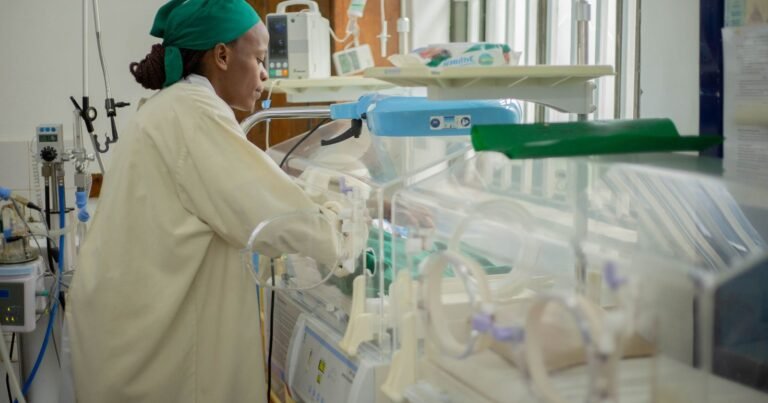
Babies with NEC are usually already in the hospital, and NICU teams watch closely for it. Still, it helps to know the signs. NICHD and MedlinePlus list:
- Trouble tolerating feedings
- A swollen or bloated belly
- Blood in the stool
- Diarrhea or vomiting
- Low energy or less activity than usual
- Unstable body temperature, breathing or heart rate
If you notice any of these, tell your baby’s nurse or doctor right away.
How NEC is diagnosed and treated
Doctors usually diagnose NEC with belly X-rays and blood and stool tests. Treatment depends on how severe it is:
- Mild cases: feedings are stopped, a tube may relieve gas in the stomach, and the baby gets IV fluids and nutrition
- Moderate cases: antibiotics are added, with close monitoring through X-rays and blood tests
- Severe cases: surgery may be needed to remove damaged intestine, sometimes with an ostomy
Some babies recover fully. Others face long-term problems such as short bowel syndrome, narrowing of the intestine (strictures) or liver problems from needing IV nutrition for a long time.
Formula, human milk and NEC: what the research says
Families often ask whether formula caused their baby’s NEC. The science is still being studied, and it is important to understand both sides.
A 2024 NIH working group report found that the relationship between feeding and NEC is unclear. But evidence supports a link between human milk and lower rates of NEC, and babies who get no human milk appear to face a higher risk. MedlinePlus lists formula feeding among NEC risk factors.
Other factors matter too. MedlinePlus explains that the exact cause is unknown, and that reduced blood flow to the intestine, bacteria and a baby’s immature immune system may all play a role. That is one reason each NEC case is reviewed on its own medical facts.
Federal health agencies have also said that preterm formula is part of the standard of care when enough human milk is not available. The formula makers argue there is no reliable evidence that their products cause NEC.
Important: never change your baby’s feeding plan on your own. Talk with the NICU team about breast milk, donor milk and formula options.
Questions to ask your baby’s care team
Parents in the NICU often feel overwhelmed. It is okay to ask questions and to ask again if something is unclear. You might ask:
- What is my baby being fed right now, and why?
- Is donor human milk available here, and would it help my baby?
- How can I get support to pump or provide breast milk?
- What signs of NEC are you watching for?
- If NEC is suspected, what tests will you do and what happens next?
Writing down the answers can help you remember them. It also creates your own record of what you were told, which can be useful later.
A parent’s guide to the NEC lawsuits
The lawsuits claim that Abbott (maker of Similac) and Mead Johnson (maker of Enfamil) knew or should have known that cow’s milk-based products raised the risk of NEC in preemies and did not give proper warnings.
Here is a short summary of where things stand in October 2026:
- Federal MDL: Cases are grouped in MDL No. 3026 in the Northern District of Illinois. The JPML reported 847 pending cases as of September 1, 2026.
- Settlement: In August 2026, Abbott agreed to pay about $670 million to resolve the $495 million Gill verdict and about 2,000 other claims, without admitting liability.
- Mixed trial results: Some juries have ruled for families and others for the companies, and one $60 million verdict was reversed on appeal in 2026.
For more detail, see our NEC lawsuit page.
What to do if your baby had NEC
Whether or not you pursue a claim, these steps can help your family:
- Ask for records. Request your baby’s NICU records, including feeding logs, which show what your baby was fed and when.
- Write down what you remember. Note what staff told you about feeding and when NEC was diagnosed.
- Keep bills and paperwork. Save hospital bills, insurance statements and records of follow-up care.
- Care for yourself. A NICU stay and a serious diagnosis are hard on any family. Many hospitals offer social workers and support groups.
If your child passed away from NEC, please know you are not alone. Grief counselors and parent support groups can help, and there is no rush to make legal decisions before you are ready. Keep in mind that filing deadlines vary by state and claim type.
NICU Feeding Terms Parents Hear About NEC and Preemie Formula
The NICU has its own language. When you are trying to understand questions about NEC and preemie formula, it helps to know what the care team means by common feeding terms.

Types of milk and formula
- Mother’s own milk: Breast milk from the baby’s mother, given by breast, bottle or feeding tube.
- Donor human milk: Breast milk from screened donors, usually pasteurized by a milk bank.
- Human milk fortifier: A product added to breast milk to give preemies extra calories, protein and minerals. Some fortifiers are made from cow’s milk, and others are made from human milk.
- Preterm formula: Formula designed for premature babies. Many preterm formulas are made from cow’s milk.
Feeding methods and care terms
- Enteral feeding: Any feeding that goes into the stomach or intestine, including through a tube.
- Feeding tube: A thin tube placed through the nose or mouth into the stomach, often used for very small babies.
- NPO: A medical term meaning “nothing by mouth.” Feedings are stopped, often when NEC is suspected.
- TPN or parenteral nutrition: Nutrition given through an IV instead of the gut.
- Feeding advancement: Slowly increasing how much milk a baby gets each day.
What the AAP says about donor milk
The American Academy of Pediatrics says mother’s own milk is always preferred for high-risk infants. When it is not available, the AAP supports pasteurized donor milk that has been screened and distributed through established milk banks.
The AAP also warns against informal or online milk sharing, because that milk may carry bacteria, viruses or other substances. You can read a summary on HealthyChildren.org, the AAP’s site for parents. Always talk with your baby’s NICU team before making any change.
How to Request Your Baby’s NICU Records
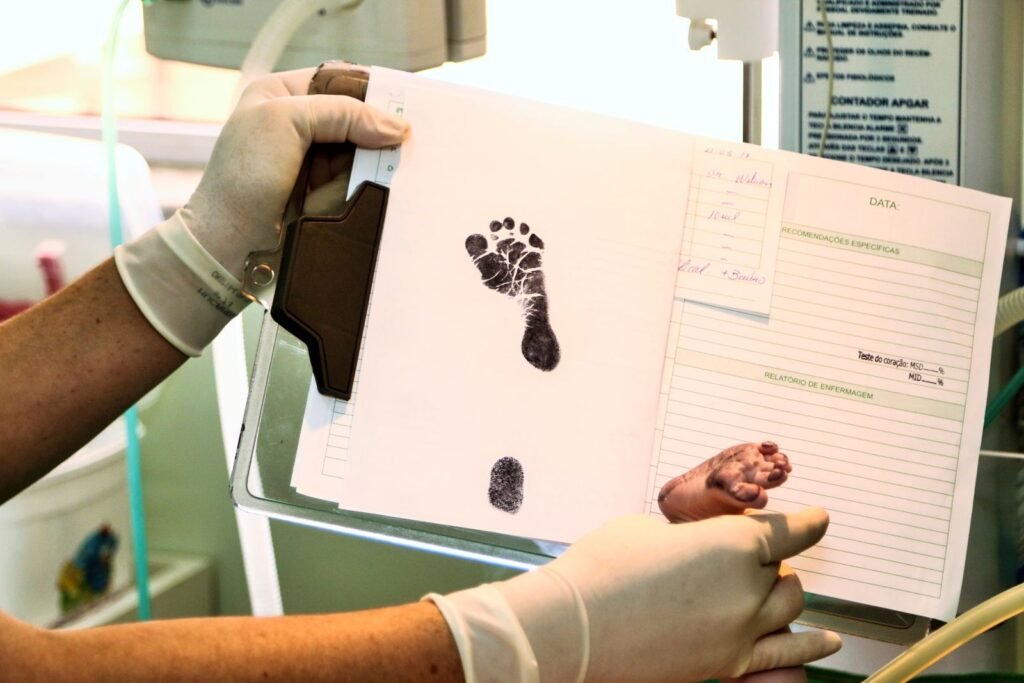
Records are often the most important evidence in claims about NEC and preemie formula. They show what your baby was fed, when symptoms started and how NEC was treated. Even if you are not sure about a claim, it can help to request a copy while details are fresh.
Your right to the records
Under the federal HIPAA Privacy Rule, people generally have a right to get copies of their health records. As a parent, you can usually request your baby’s records as their personal representative.
The federal rule says a provider must act on a request within 30 days. It may extend that time once, by up to 30 more days, if it tells you in writing.
What to ask for
Contact the hospital’s medical records or health information department. Ask for the complete NICU chart, including:
- Feeding logs and nutrition orders, which list the milk, fortifier or formula used
- Medication records
- Nursing notes and doctor progress notes
- X-ray and lab reports
- Surgery reports and pathology reports, if your baby had surgery
- The discharge summary
Tips that can help
If you plan to ask a law firm about NEC and preemie formula, having the full chart ready can save weeks of waiting. These tips may make the request smoother.
- Make your request in writing and keep a copy.
- Ask whether records will come on paper, on a disc or through a patient portal.
- Ask whether there is a fee before the copies are made.
- Check that the records cover the whole stay, including any transfer to another hospital.
Building a Timeline of Your Baby’s NICU Stay
A simple timeline can help you make sense of a very hard time. It can also help a law firm review questions about NEC and preemie formula more quickly.

Key dates and facts
- Your baby’s birth date, gestational age and birth weight
- The date feedings started and what your baby was first fed
- When fortifier or formula was added, and any changes after that
- The first signs that something was wrong, such as a swollen belly or feeding trouble
- The date NEC was diagnosed and how severe doctors said it was
- Treatments, including stopped feedings, antibiotics or surgery
- Any transfers to another hospital
- Your baby’s health after discharge, including follow-up care
Fill in what you can
You do not need every detail. Use your phone photos, text messages, calendar and notes from the NICU to fill in dates. Many parents took pictures of whiteboards, feeding charts or milk labels without thinking much about it.
If you pumped breast milk, notes on how much you were able to provide can also help. This is not about blame. Many mothers of preemies cannot make enough milk, and that is not their fault.
Life After NEC: Follow-Up Care and Planning
For many babies, NEC is not over when they leave the NICU. Some need months or years of follow-up care. Planning for that care is important for your child, and it also matters for families looking into claims about NEC and preemie formula.
Medical follow-up
Babies who had NEC, especially those who needed surgery, may see several kinds of doctors. These can include a pediatric surgeon, a gastroenterologist and a nutrition team. Ask your discharge team which follow-up visits your baby needs and how often.
Keep a list of every doctor, clinic and therapy appointment. Note any hospital stays after discharge, feeding problems, special formulas or nutrition through an IV at home.
Growth and development
Premature babies are often followed closely for growth and development. If you have concerns about how your child is moving, speaking or learning, talk to your pediatrician. Every state has an early intervention program for infants and toddlers with developmental delays, and your pediatrician can help you connect with it.
Tracking costs and time
Long-term care can be costly. Families looking into NEC and preemie formula claims may want to keep:
- Medical bills and insurance statements
- Receipts for special formula, supplies and equipment
- Records of travel to appointments, including mileage and parking
- Notes on time missed from work to care for your child
Writing down daily life
A short journal can help show how NEC has affected your child and family. Note feeding struggles, sleepless nights, missed milestones and good days, too. Months from now, these notes can help you remember details that are easy to forget.
Planning ahead
Some effects of NEC may not be clear until a child is older. That is one reason families often ask how deadlines work for children. Rules differ by state, so a participating law firm can explain how timing may apply to questions about NEC and preemie formula in your family’s case.
Talking With Family and a Law Firm
Questions about NEC and preemie formula can bring up guilt, anger and grief. Many parents wonder if they should have done something differently. Please know that feeding decisions in the NICU are made with the care team, often in very stressful moments.
Talking with family
It can help to choose one or two trusted people to share updates with. They can help answer questions from others, so you do not have to repeat painful details again and again. If you have older children, simple and honest words about the baby’s illness often help.
Caring for yourself
A NICU stay can take a heavy toll on parents, and worries about NEC and preemie formula can add to that stress. Many hospitals offer social workers, chaplains and parent support groups. If you feel hopeless, cannot sleep or have thoughts of harming yourself, talk to a doctor or call or text 988 for the Suicide and Crisis Lifeline.
Questions to ask a participating law firm
If you decide to have a claim reviewed, a firm may look at your baby’s records and explain whether you may qualify. You might ask:
- What records do you need to review a claim about NEC and preemie formula?
- Does it matter that my baby also got breast milk or donor milk?
- How does the federal MDL or a state court case apply to us?
- What deadlines may apply in our state, and does my child’s age change them?
- How will you protect our family’s privacy?
- How do your fees work? Please explain them in writing.
Common mistakes to avoid
- Waiting for news before requesting records. Copies are easier to get while the stay is recent.
- Assuming you cannot file because your baby did not need surgery.
- Throwing away hospital papers, milk labels or discharge instructions.
- Changing your baby’s current feeding plan on your own. Always talk to your pediatrician first.
Every family’s story is different, and every review of NEC and preemie formula questions starts with the facts. Learning the facts about NEC and preemie formula, and keeping good records, can help you make the choice that feels right for your family.
NEC and preemie formula: frequently asked questions
Does my baby need to have had surgery to qualify?
No. Cases may involve babies treated with or without surgery. A law firm will look at the diagnosis and medical records.
What if my baby received both breast milk and formula?
That is common in the NICU. A law firm can review the feeding records to understand what your baby received.
Can I file if my child died from NEC?
Families who lost a child may be able to bring a wrongful death claim, depending on state law.
Does it cost anything to have my case reviewed?
No. Direct2Attorney’s review is free. If a participating firm takes your case, it will explain its fees to you in writing.
How do I know which formula my baby was given?
The NICU feeding records usually list the products used. The hospital’s medical records department can provide copies.
How Direct2Attorney can help
If your premature baby developed NEC after being fed cow’s milk-based formula or fortifier, Direct2Attorney can connect you with a participating law firm for a free, private review. Visit our NEC lawsuit page to get started.
Direct2Attorney is a legal marketing and referral service, not a law firm. This article is general information, not legal advice. Submitting information does not create an attorney-client relationship.