In this article (14 sections)
- Why asbestos victims seek justice
- Who is most affected by asbestos exposure
- Where asbestos rules stand in 2026
- What a mesothelioma lawsuit can do
- Types of mesothelioma lawsuits and claims
- Support for patients and families
- How a claim usually begins
- How Mesothelioma Lawsuits Usually Move, Step by Step
- Building Your Asbestos Exposure History
- Veterans and Mesothelioma Lawsuits
- Keeping Medical Care and Mesothelioma Lawsuits Organized
- Questions to Ask a Law Firm About Mesothelioma Lawsuits
- Frequently asked questions
- How Direct2Attorney can help
Last updated: October 2026
Mesothelioma lawsuits give people harmed by asbestos a way to seek accountability from the companies that made, sold or used asbestos products. For many families, seeking justice means holding those companies responsible, getting help with the costs of a devastating illness, and making sure their story is heard. Mesothelioma lawsuits can feel complicated, but understanding each step, from building an exposure history to the questions to ask a firm, can make the path clearer.
This guide explains why asbestos victims bring these cases, who is most affected, where asbestos rules stand in 2026, and how a claim usually begins.
Why asbestos victims seek justice
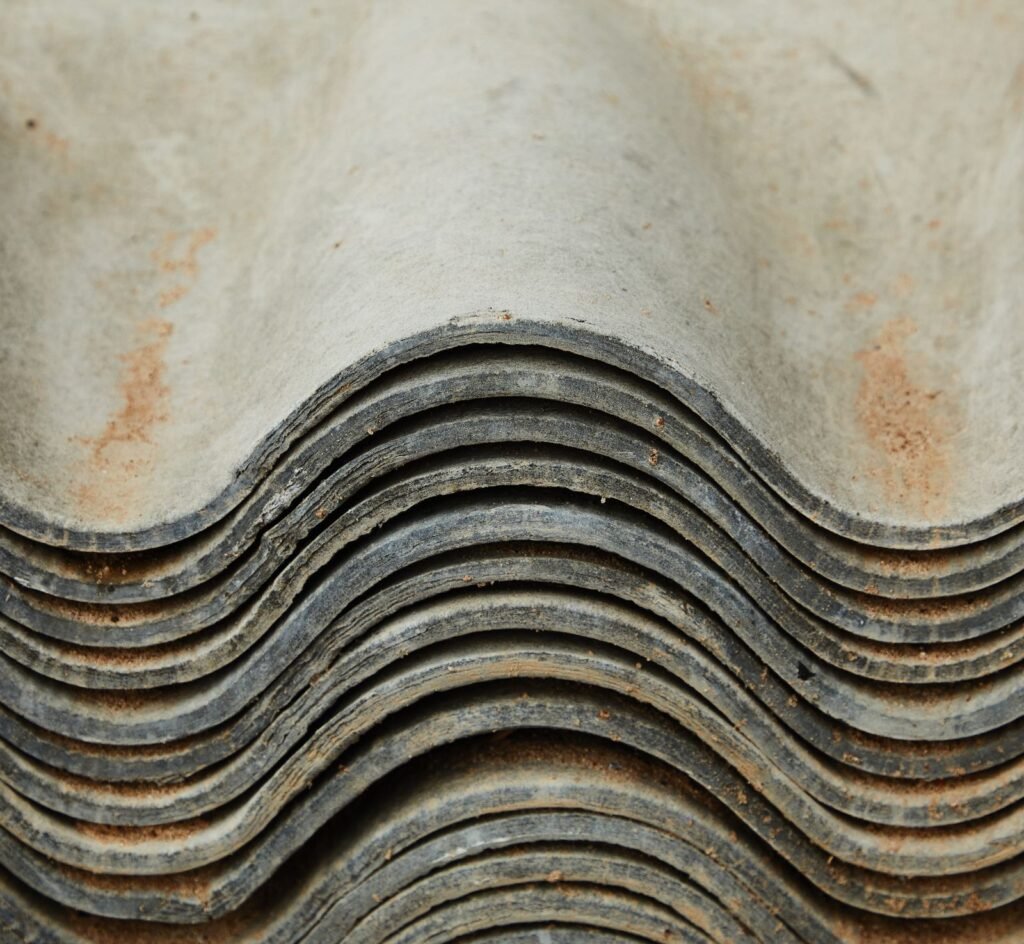
Asbestos is a group of natural mineral fibers once used widely in insulation, building materials and brakes. Breathing the fibers can cause serious disease.
According to the EPA, asbestos exposure is known to cause lung cancer, mesothelioma, ovarian cancer and laryngeal cancer, and it is linked to more than 40,000 deaths in the U.S. each year. The National Cancer Institute says asbestos exposure is the major risk factor for mesothelioma.
Many people were exposed at work without knowing the danger. Mesothelioma lawsuits often focus on whether companies knew or should have known the risks and failed to protect workers and families.
Who is most affected by asbestos exposure
Mesothelioma often appears long after exposure. The Agency for Toxic Substances and Disease Registry says signs may not appear until 30 to 40 years later.
Jobs linked to asbestos exposure include work in:
- Shipyards, mining and milling
- Construction, carpentry and demolition
- Insulation, roofing, flooring and pipe work
- Brake and friction product work
This list comes from the VA’s guidance for veterans, many of whom were exposed during military service. The NCI also notes that living with someone who works around asbestos can raise risk, which is why spouses and children sometimes develop the disease.

Where asbestos rules stand in 2026
For decades, asbestos was not fully banned in the United States. That began to change in March 2024, when the EPA finalized a ban on ongoing uses of chrysotile asbestos, the only form still used or imported in the U.S.
Industry groups challenged the rule in the U.S. Court of Appeals for the Fifth Circuit. Before the June 1, 2026 oral argument, some challengers withdrew, including Olin Corporation. As of the latest reports we found, the court had not issued a decision, and the 2024 rule remains in effect.
The ban helps protect people going forward. But it does not help those already exposed, which is why lawsuits remain important for people diagnosed today.
Why asbestos cases have lasted for decades
Asbestos claims have been part of U.S. courts for a long time. Many companies that made asbestos products faced so many claims that they filed for bankruptcy.
The GAO reported that about 100 companies declared bankruptcy at least partly because of asbestos-related liability. Many of them set up trusts, starting in 1988, to pay people who become sick in the future.
Because the disease appears decades after exposure, new diagnoses continue today. That is why people exposed in the 1960s, 1970s and 1980s are still filing claims now.
What a mesothelioma lawsuit can do
A mesothelioma lawsuit is a civil claim for money damages. It cannot undo the illness, but it can help with some of its burdens.
Depending on the facts and state law, a claim may seek compensation for:
- Medical bills and future treatment costs
- Lost income and lost ability to work
- Pain, suffering and loss of quality of life
- For families, the loss of a loved one’s support and companionship
No one can promise an outcome or amount. Each case depends on its own evidence.
What justice can look like for families
For some families, justice means financial stability after a loved one can no longer work. For others, it means answers about where the exposure happened and who was responsible.
Many families also want their experience to count for something. Speaking up about asbestos exposure helps raise awareness of a disease that is still being diagnosed decades after the fibers were breathed in.
Types of mesothelioma lawsuits and claims
Personal injury claims
A person diagnosed with mesothelioma may file a claim in their own name. Because the disease can progress quickly, these claims often move with some urgency.
Wrongful death claims
If a loved one has died, family members or the estate may be able to bring a wrongful death claim. Who can file and the deadline depend on state law.
Asbestos trust claims
Many asbestos companies went bankrupt and created trusts to pay claims. The GAO reported that 60 such trusts had been created from 1988 through 2011. Trust claims are filed outside of court and can be pursued alongside a lawsuit.
Support for patients and families
A mesothelioma diagnosis affects the whole family. Along with medical care, many families need clear information and practical help.
The National Cancer Institute offers plain-language information on how mesothelioma is diagnosed and treated. Ask your care team about social workers, support groups and palliative care, which focuses on comfort and quality of life.
It is okay to ask for help with paperwork. Family members and a participating law firm can take some of that weight off your shoulders.
How a claim usually begins
The first steps are practical. You do not need everything in place before you ask for a review.
- Gather your diagnosis records, including the pathology report
- Write down your jobs, employers, work sites and years
- Note any products or materials you remember working near
- List family members or coworkers who might remember details
- Save military records if you served
Deadlines vary by state and claim type, and they often start from diagnosis or death. Acting sooner helps protect your options.
How Mesothelioma Lawsuits Usually Move, Step by Step
Every case is different, but most mesothelioma lawsuits follow a similar path. Knowing the general steps can make the process feel less overwhelming while you or a loved one is also dealing with treatment.

Here is how a claim often moves from the first call to a resolution:
- A free case review. A participating law firm may ask about your diagnosis, your jobs and where you may have been exposed.
- An exposure investigation. The firm may look at work sites, products, company records and past cases to find out which companies made or supplied the asbestos.
- Filing the case. The lawsuit is filed in a court chosen based on where you live, where you worked or where the companies do business.
- Trust claims. If some companies went bankrupt, claims may also be filed with their asbestos trusts, which work outside the courtroom.
- Discovery. Each side shares documents and information. This is where work records, product details and medical records are exchanged.
- Depositions. You may be asked to answer questions under oath. If you are too ill to travel, this can sometimes happen at your home.
- Settlement talks or trial. Many mesothelioma lawsuits settle, but some go to trial if the sides cannot agree.
No one can say how long a case will take. Some move within months, while others take longer, depending on the court, the number of companies involved and the evidence.
Why timing matters for people who are living with the disease
Mesothelioma can progress quickly. Because of this, some courts may move cases faster when the person who was exposed is seriously ill, though rules differ by state and by court.
Recording your own account early can also help. Your memory of job sites, coworkers and products is often the most important evidence in mesothelioma lawsuits, and a firm may want to preserve it while you feel well enough to share it.
Building Your Asbestos Exposure History
Most mesothelioma lawsuits turn on one question: where did the asbestos come from? Exposure often happened 30 or more years ago, so details can be hard to remember. A simple written history can help a law firm see the full picture.
Questions to ask yourself
Take your time with these. You can write answers over several days and add to them as memories come back.
- What jobs did you hold, and for which employers? Include part-time and summer jobs.
- Which buildings, ships, plants or job sites did you work at, and in what years?
- Did you work with or near insulation, pipe wrap, boilers, cement sheets, flooring, roofing or brakes?
- Do you remember product names, brand names or the colors and markings on packaging?
- Did you remodel an older home, or work on your own car brakes or clutch?
- Did someone in your household come home with dust on their clothes from work?
Secondhand exposure counts too
Spouses and children have developed mesothelioma after washing or handling a family member’s dusty work clothes. If you never worked with asbestos yourself, think about the jobs of parents, a spouse or others who lived with you.
These secondhand exposure cases are part of many mesothelioma lawsuits. They may involve the companies that made the products the family member used at work.
People who can help fill gaps
You do not have to remember everything on your own. Former coworkers, union halls, siblings and adult children may recall job sites or products you have forgotten. Old photos, pay stubs, union cards and Social Security earnings records can help confirm where and when you worked.
Veterans and Mesothelioma Lawsuits
Many veterans were exposed to asbestos during military service, especially on ships and in shipyards. Veterans may have two separate paths to consider: VA disability benefits and mesothelioma lawsuits against the companies that made asbestos products.

What the VA looks for
The VA says you may qualify for disability compensation if you have a health condition caused by asbestos and you had contact with asbestos during military service. To support a claim, the VA asks for:
- Medical records showing your condition
- Service records that show your job or specialty
- A doctor’s statement linking your in-service exposure to your current condition
How a VA claim and a lawsuit differ
A VA claim asks the government for benefits based on your service. Mesothelioma lawsuits for veterans usually focus on the private companies that made or supplied the asbestos products used on ships, bases and in shipyards.
Many veterans also had civilian jobs before or after service, such as construction or factory work. Those jobs can be part of the same exposure history. A participating law firm can explain how the two paths may work together in your situation.
Records veterans should gather
- Your DD-214 and any service records showing ships, bases and duties
- Medical records from VA and private doctors
- Any VA decision letters you have received
- Names of shipmates or crew members who served with you
Keeping Medical Care and Mesothelioma Lawsuits Organized
Treatment comes first. Still, medical records are some of the most important evidence in mesothelioma lawsuits, so a little organizing now can save stress later.
Tell your doctors about your work history
Let your care team know about any asbestos exposure you remember. It is part of your medical history and can help doctors understand your diagnosis. Ask that your work history be noted in your chart. You can also ask for copies of your records after each major visit, so nothing is lost along the way.
Keep one folder for everything
A single binder or folder can hold the papers a law firm may need. Try to include:
- Pathology and biopsy reports that confirm the diagnosis
- Imaging reports, such as CT scans and chest X-rays
- A list of your doctors, hospitals and treatment dates
- Bills, insurance statements and receipts for travel to appointments
- Notes on missed work and lost income
Bring family into the process
Mesothelioma lawsuits can involve many calls and forms. Choose one trusted family member to help keep track of mail, dates and questions. With your permission, that person can also join calls with the law firm.
If a loved one has already passed away, keep the death certificate, final medical records and any autopsy report. These papers are often needed for wrongful death claims in mesothelioma lawsuits.
Questions to Ask a Law Firm About Mesothelioma Lawsuits
Choosing who to work with is an important decision. It is fine to ask questions and take notes before you agree to anything. A participating law firm may review your history and answer questions like these:
- Have you handled mesothelioma lawsuits like mine, and in which courts?
- Which companies or trusts might be involved in my case?
- How will you investigate my exposure history?
- Will you file trust claims as well as a lawsuit, and how do the two work together?
- How will my testimony be taken if I am too sick to travel?
- How do your fees work, and what costs might come out of any recovery? Please put it in writing.
- What deadlines may apply in my state, and when do they start?
- Who will be my main contact, and how often will I get updates?
Common mistakes families can avoid
Families often act quickly under stress. A few simple steps can help protect a claim:
- Waiting too long. Filing deadlines vary by state and claim type and often start at diagnosis or death.
- Throwing away old papers. Pay stubs, tax forms and union records can help prove where you worked.
- Guessing about products. It is better to say “I am not sure” than to name a product you do not remember.
- Signing documents from a company or insurer before you understand them.
- Assuming a closed company means no options. Trusts may still accept claims.
Terms you may hear
Legal words can be confusing. Here are a few you may come across in mesothelioma lawsuits:
- Deposition: Sworn questions and answers, recorded by a court reporter, usually outside the courtroom.
- Discovery: The stage when each side shares documents and information.
- Product identification: Evidence showing which asbestos products you worked with or near.
- Trust claim: A claim filed with a fund set up by a bankrupt asbestos company.
- Statute of limitations: The deadline for filing a lawsuit, which varies by state.
- Wrongful death claim: A claim brought by family members or the estate after a death.
Asking for plain-language explanations is always okay. The National Cancer Institute’s mesothelioma treatment guide can also help you understand the medical side, so you can focus your questions on what matters most to your family.
Frequently asked questions
Can I file a mesothelioma lawsuit if the company went out of business?
You may still have options. Many bankrupt asbestos companies set up trusts to pay claims, and other companies may also share responsibility.
My exposure was 40 years ago. Is it too late?
Not necessarily. Deadlines usually run from diagnosis or discovery, not from the exposure itself. Rules vary by state, so have your situation reviewed promptly.
Does the EPA ban affect my case?
The 2024 ban limits ongoing uses of chrysotile asbestos. It does not decide individual lawsuits, but it reflects the EPA’s finding that asbestos poses serious health risks.
Can family members get help after a death?
Yes, they may be able to bring a wrongful death claim, depending on state law. Keep medical records, the death certificate and any work history information.
Do I have to go to court?
Many mesothelioma claims settle without a trial. Your law firm can explain the likely path, and sworn testimony can sometimes be taken at home if you are too ill to travel.
How Direct2Attorney can help
If you or a loved one has been harmed by asbestos, Direct2Attorney can connect you with a participating law firm for a free, confidential case review. Visit our mesothelioma lawsuit page to learn more, or see our talc lawsuit page for a related claim.
Mesothelioma lawsuits help asbestos victims seek justice. A firm may review your history and explain the options that may be open to you and your family.
Direct2Attorney is a legal marketing and referral service, not a law firm. This article is general information, not legal advice. Submitting information does not create an attorney-client relationship.