In this article (14 sections)
- How AFFF exposure is linked to cancer
- Which cancers are part of AFFF lawsuits?
- Who may qualify to claim compensation
- What compensation can cover
- Why the water settlements don’t pay cancer claims
- Evidence that strengthens a claim
- Other benefits you may be able to seek
- How long an AFFF cancer claim may take
- Building your AFFF lawsuit exposure record, step by step
- Getting military records for an AFFF lawsuit
- Talking with your doctor about foam exposure
- Questions to ask and mistakes to avoid in an AFFF lawsuit
- Frequently asked questions
- How Direct2Attorney can help
Last updated: October 2026
Yes, people with cancer linked to firefighting foam can seek compensation through an AFFF lawsuit, and thousands already have. Whether you may qualify depends on three things: how you were exposed to AFFF, what you were diagnosed with, and whether you can document both. No personal injury settlement has been announced as of fall 2026, so any payment would come from a future settlement or a verdict, not a fund that exists today. If you are weighing an AFFF lawsuit, the sections below also explain how to rebuild your exposure history, request military records and prepare for a case review.
This guide walks through who may be able to claim compensation for AFFF-related cancer, what damages can include, and what records matter most.
How AFFF exposure is linked to cancer
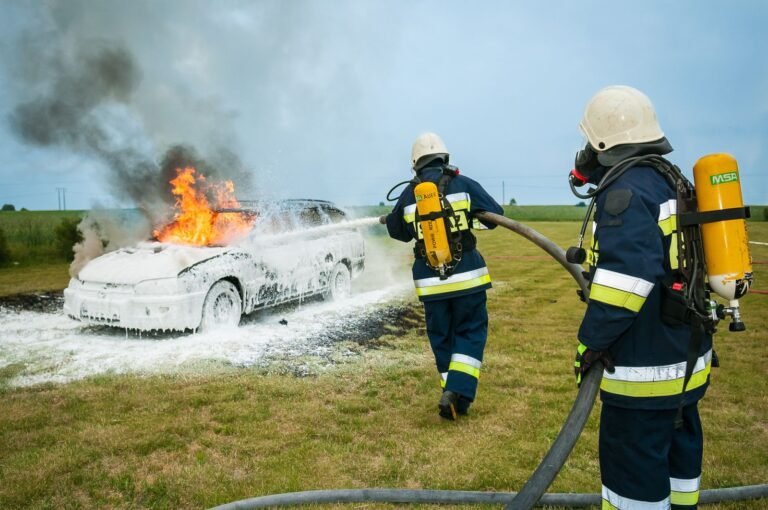
AFFF (aqueous film-forming foam) is used to put out fuel fires. Many AFFF products were made with PFAS, a group of man-made “forever chemicals” that break down very slowly. Two of the most-studied PFAS are PFOA and PFOS.
Health agencies have raised concerns about these chemicals:
- The CDC’s Agency for Toxic Substances and Disease Registry (ATSDR) lists kidney and testicular cancer among health effects associated with PFOA exposure.
- In late 2023, the World Health Organization’s cancer research agency (IARC) classified PFOA as “carcinogenic to humans” and PFOS as “possibly carcinogenic to humans.”
These findings do not prove that AFFF caused any one person’s cancer. But they are part of why thousands of people have filed claims.
Which cancers are part of AFFF lawsuits?
In the federal AFFF case, the court has organized personal injury claims around specific illnesses. Based on court tracks and litigation reporting, these include:
- Kidney cancer
- Testicular cancer
- Thyroid cancer
- Liver cancer
- Ulcerative colitis (not a cancer, but part of the litigation)
Some firms also review other conditions, such as thyroid disease or certain other cancers. Whether those can move forward depends on the science and on court rulings, which are still developing.
Who may qualify to claim compensation
Most AFFF personal injury claims come from people with repeated, direct contact with the foam. Groups that may qualify include:
- Firefighters: municipal, volunteer, industrial and wildland firefighters who trained with or sprayed AFFF
- Military members: especially those who worked on flight lines, ships or crash-rescue teams
- Airport workers: aircraft rescue and firefighting crews and hangar staff
- Industrial workers: refinery, chemical plant and fuel storage workers
- Nearby residents: in some cases, people whose drinking water was contaminated near bases or airports
A participating law firm may look at how often you were exposed, over how many years, and how long before your diagnosis.
What compensation can cover
If an AFFF cancer claim succeeds through a settlement or trial, damages can include:
- Medical costs: past and future treatment, surgery, medication and follow-up care
- Lost income: time missed from work and reduced ability to earn in the future
- Pain and suffering: the physical and emotional toll of a cancer diagnosis
- Wrongful death: for families who lost a loved one, funeral costs and loss of support
No one can promise an amount. Values depend on the illness, the strength of the exposure evidence, the person’s age and many other details. Be careful with websites that list specific “payout” figures for AFFF cancer cases. As of fall 2026, those numbers are estimates, not settlement terms.
Why the water settlements don’t pay cancer claims
You may have heard about billions of dollars in AFFF settlements. Those deals were with public water systems, not people with cancer.
- 3M agreed to pay up to $10.3 billion in present value over 13 years to U.S. public water suppliers. The court approved it on March 29, 2024, according to 3M.
- Chemours, DuPont and Corteva agreed to pay $1.185 billion to water systems. DuPont’s announcement says the deal covers drinking water claims by water systems, not personal injury claims.
These settlements help pay for water testing and treatment. Personal injury claims are separate and remain unresolved in the federal MDL, where the JPML counted 15,264 pending actions on September 1, 2026.
Evidence that strengthens a claim
Courts now expect AFFF plaintiffs to show proof early. A 2026 order in the federal case required plaintiffs to submit fact sheets and records of diagnosis and exposure, and defendants have asked the court to dismiss thousands of cases that lacked them.
Records that can help include:
- Diagnosis records: pathology reports, oncology notes and the date you were diagnosed
- Work history: job titles, fire department or unit rosters, training logs and certifications
- Military records: DD-214, duty assignments and base locations
- Foam use details: the names of stations, bases or airports and the types of training where foam was used
- Witness statements: coworkers who can confirm foam training or fire responses
You do not need to gather everything before you ask for a review. But starting early can help if a case moves forward.
Other benefits you may be able to seek
A lawsuit is not the only path. Depending on your situation, you may also be able to seek:
- Workers’ compensation: many states have firefighter cancer laws, but the rules vary by state
- VA disability benefits: for veterans with service-related conditions
- Line-of-duty or pension benefits: through your department or union
These are separate from an AFFF product liability claim. How they interact depends on your state and the benefit program.
How long an AFFF cancer claim may take
AFFF personal injury claims move slowly. The federal case has been open since late 2018, and the first personal injury bellwether trial, planned for October 2025, was postponed. As of this update, no new trial date had been publicly set.
That does not mean waiting is the right choice. Filing deadlines can run while the MDL moves forward. A timeline for your own claim may depend on:
- When you were diagnosed and when you first learned of a possible link to foam
- Your state’s filing deadline, which varies by state and claim type
- How quickly your records can be gathered, since the court now expects proof early
- Future court rulings on the science behind each illness
If a global settlement is reached later, people with complete records may be in a better position to take part. If not, cases may move toward trials one group at a time.
Building your AFFF lawsuit exposure record, step by step
The records list above shows what can help. This section explains how to actually pull that history together, even if your foam use happened decades ago. A clear exposure record is often the hardest part of an AFFF lawsuit, and also one of the most important.
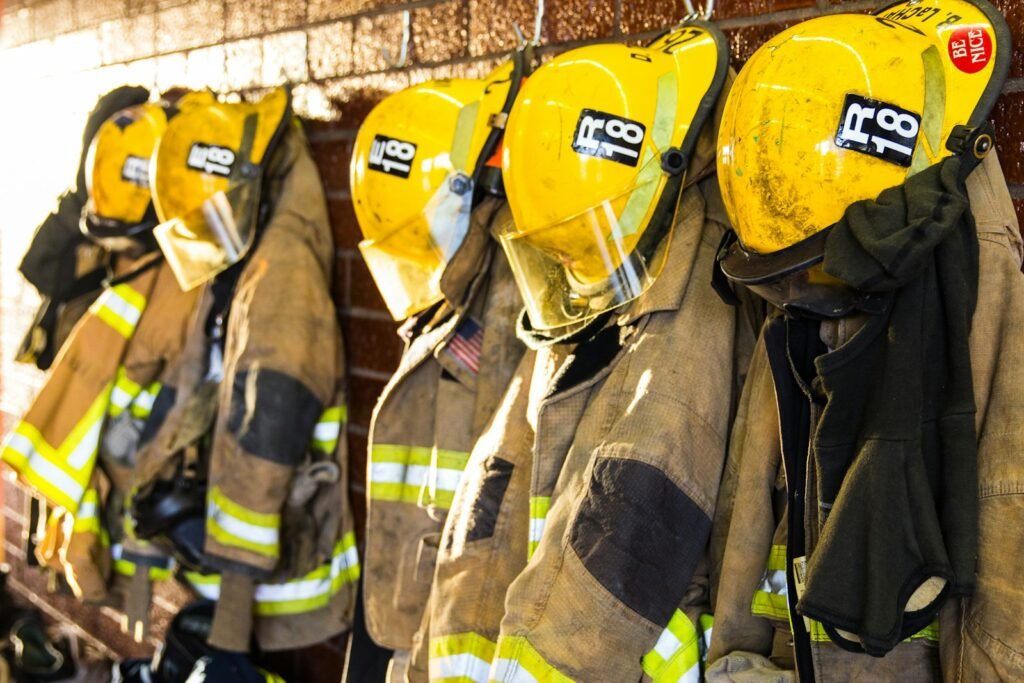
Step 1: List every job and assignment
Start with a simple list of every place you worked or served where foam may have been used. For each one, write:
- The name of the fire department, base, airport, ship or plant
- Your job title or rank
- The years you were there
- Whether you were full-time, part-time, volunteer or reserve
Step 2: Describe how you used foam
For each job, think about how often you were around AFFF. Courts and firms often want to know whether exposure was regular or rare. Try to note:
- Training drills where foam was sprayed, and about how often they happened
- Real fire responses, such as fuel spills, aircraft crashes or vehicle fires
- Cleaning, refilling or testing foam equipment and tanks
- Whether foam got on your skin or gear, and how you cleaned it off
- Whether you lived on base or drank water near where foam was used
Step 3: Gather proof from employers and unions
Fire departments, airports and plants may keep training logs, rosters, incident reports and certification records. You can ask your former employer or union for copies. Pay stubs, W-2 forms and pension statements can also show where and when you worked.
Step 4: Find witnesses
Coworkers who trained with you can confirm what you did and when. Retired chiefs, training officers and union leaders may also remember how often foam was used at your station. Write down names and contact details for people who may remember foam drills or fire responses. A participating law firm may later ask to speak with them about your AFFF lawsuit.
Step 5: Put it on a timeline
Combine your work history, exposure details and diagnosis date on one page. A clean timeline makes it easier for a firm to see whether an AFFF lawsuit may fit your situation, and it helps you give the same answers each time you are asked.
If your exposure came from drinking water
Not everyone in an AFFF lawsuit sprayed foam. Some people lived near a base, airport or training site where foam reached the local water. If that applies to you, your record may look different. Helpful details can include:
- Every address where you lived, with move-in and move-out dates
- The name of your water utility, or whether you used a private well
- Any notices you received about water testing or contamination
- Old utility bills or lease papers that show where you lived
Public water systems often post testing results, and some states publish maps of PFAS sampling. A participating law firm can help you find records that tie your home to a known contaminated area.
Getting military records for an AFFF lawsuit
Many people who file claims served in the military, often on flight lines, ships or crash-rescue teams. If that is you, your service records can be key evidence in an AFFF lawsuit.
How to request your service records
The National Archives explains that veterans and next of kin can request military personnel records, including the DD-214, in two main ways:
- Online: through the eVetRecs system, which requires identity checks through ID.me
- By mail or fax: using Standard Form 180 (SF-180), sent to the National Personnel Records Center in St. Louis
The National Archives says there is generally no charge for basic personnel and medical record information for veterans, next of kin and authorized representatives. It also suggests allowing about 90 days before checking on a request. You can start on the National Archives military records page.
What to include in your request
The National Archives asks for details such as your full name used in service, service number, Social Security number, branch, dates of service, and date and place of birth. Requests must be signed and dated. Ask for your full personnel file if you can, since duty stations and job codes help show where foam was used.
Keep copies safe
Once your records arrive, make copies and keep the originals in a safe place. Store a digital copy in a folder on your own computer or phone. If you share records with a law firm reviewing your AFFF lawsuit, keep a list of what you sent and when.
What the VA says about PFAS
The U.S. Department of Veterans Affairs says military firefighters may have been exposed to PFAS through AFFF. It also says that, at this time, there are no VA presumptions for PFAS exposure, and that it decides related disability claims case by case. VA benefits and an AFFF lawsuit are separate, and a participating law firm can explain how they may interact in your situation.
Talking with your doctor about foam exposure
Your medical team may not ask about firefighting foam unless you bring it up. Sharing your history can help your care, and your medical chart may later matter in an AFFF lawsuit.
What to tell your doctor
- The jobs where you were around AFFF and for how many years
- How often you trained with or sprayed foam
- Whether you lived or worked near a base or airport with known water contamination
- Any family history of the same cancers or conditions
Questions you can ask
- Should my exposure history change how often I get checked for certain conditions?
- Would PFAS blood testing be useful for me, and where could I get it? The VA notes that this testing is not currently available at VA medical centers.
- Can you note my foam exposure history in my chart?
- Are there other causes of my diagnosis that you have found or ruled out?
Why your chart matters
Notes written during treatment are often seen as reliable because they were made at the time. If your doctor writes down your exposure history and diagnosis details, those notes can support your AFFF lawsuit later. But your health care always comes first, and you do not need to have a lawsuit in mind to share this history.
Questions to ask and mistakes to avoid in an AFFF lawsuit
A case review is your chance to learn how a firm works and whether an AFFF lawsuit makes sense for you. It is also a good time to avoid common missteps that can slow down or weaken a claim.
Questions to ask a participating law firm
- Does your firm review my diagnosis, and how does the court currently group that illness?
- What proof of exposure will you need, and what can you request for me?
- How will the federal court’s early proof requirements affect my AFFF lawsuit?
- Which filing deadline may apply in my state, and when might it start?
- How do workers’ compensation or VA benefits fit with a lawsuit in my case?
- How will you explain your fees and costs in writing?
- How often will you update me, and who will be my main contact?
Common mistakes to avoid
- Waiting for a settlement. No personal injury settlement has been announced, and deadlines can pass while you wait.
- Guessing on dates. If you are not sure when you worked somewhere, say so. Use records to confirm dates before you share them.
- Leaving out other exposures. Smoking, other chemicals or family history do not always end a claim, but a firm needs the full picture.
- Throwing away old paperwork. Training certificates, pay stubs and union cards can help prove exposure.
- Posting about your case. Public posts about your health or claim can be seen by the other side.
- Signing a fact sheet without reading it. Court forms in an AFFF lawsuit are signed as true. Read every answer before you sign.
If you are helping a loved one
If a family member is too sick to gather records, you can help by organizing papers, keeping a list of doctors and writing down what they remember. If your loved one has died, the family or estate may be able to bring a claim, depending on state law. A participating law firm can explain who may be able to file an AFFF lawsuit on their behalf.
Frequently asked questions
Can I claim compensation if I was only exposed as a volunteer firefighter?
Possibly. Volunteer firefighters who trained with or used AFFF have filed claims. The frequency and length of exposure matter.
Is there a deadline to file an AFFF cancer claim?
Yes, but it varies by state and claim type. Deadlines often start from the date of diagnosis or the date you learned of a possible link, so it is worth checking soon.
How much is an AFFF cancer claim worth?
No one can say for sure. There is no personal injury settlement yet, and each claim depends on the illness, the exposure evidence and the person’s losses.
Can a family file if the person with cancer has died?
In many states, yes. A family member or estate representative may be able to bring a wrongful death claim, depending on state law.
How Direct2Attorney can help
If you or a loved one developed cancer after firefighting foam exposure, you may want to know whether you may qualify to claim compensation. Direct2Attorney can connect you with participating law firms that review AFFF lawsuit claims. Learn more on our PFAS and AFFF lawsuit page, or see our other case types.
An AFFF lawsuit does not bring back your health, but it may help cover the costs a cancer diagnosis leaves behind.
Direct2Attorney is a legal marketing and referral service, not a law firm. This article is general information, not legal advice. Submitting information does not create an attorney-client relationship.