

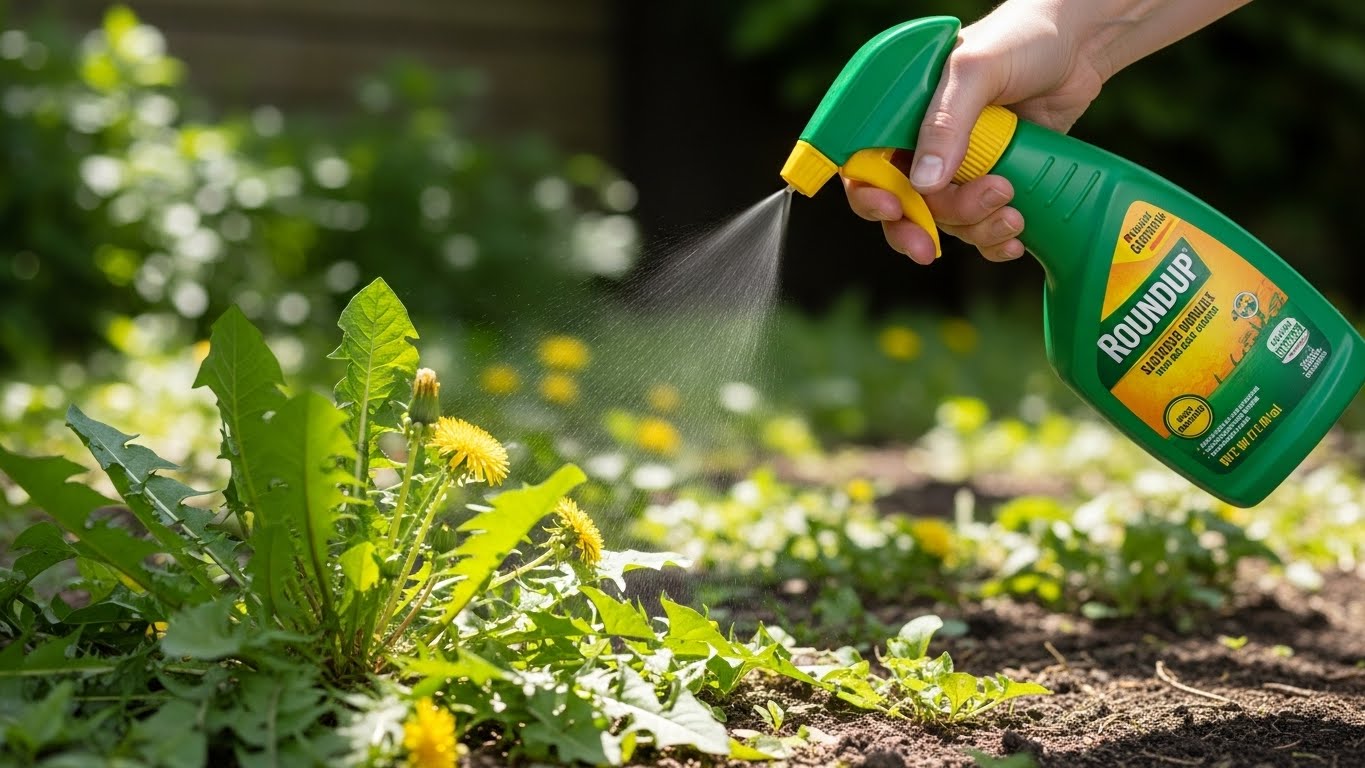
Roundup lawsuits home owners gardeners 2026 are gaining momentum as legal focus shifts away from farm and industrial use toward every day, household exposure. Courts are now examining whether casual, long-term use of glyphosate in home environments can increase cancer risk.
This change reflects a broader understanding of how exposure happens outside professional settings. Many homeowners relied solely on product labels and assumed Roundup was safe for routine lawn and garden use.
A New Litigation Trend: Everyday Exposure Claims in Roundup Lawsuits
For years, Roundup litigation centered on farmers, landscapers, and groundskeepers with heavy occupational exposure. That landscape is changing.
Recent investigations show that many people diagnosed with non-Hodgkin lymphoma used Roundup only occasionally. Exposure often occurred in backyards, driveways, patios, and home gardens. Most users wore no protective gear and received no safety training.
As courts become more open to evidence showing that even low-frequency exposure may be harmful, attorneys are identifying a new group of potential plaintiffs, including:
- Homeowners maintaining lawns and gardens.
- Weekend gardeners.
- Tenants exposed through landlord-applied weed killers.
- Parents using Roundup where children play.
- Community volunteers maintaining parks or school fields.
This shift is expected to expand Roundup lawsuits home owners gardeners 2026 significantly.
Why Homeowners and Gardeners Are Filing More Claims
Several factors explain why non-agricultural users are increasingly pursuing legal action.
Product Safety Warnings Were Limited
Roundup was marketed for household use. Many people never received clear warnings about cancer risks, which strengthens failure-to-warn claims.
Exposure Happened Around Families
Backyard use often occurred near children and pets. Families now question whether home exposure explains unexpected cancer diagnoses.
More Personal Stories Are Emerging
In 2025 and early 2026, legal hotlines reported a rise in calls from homeowners who used Roundup casually but later developed serious illness.
Courts Are More Receptive
Recent verdicts show juries may award compensation even when exposure was not job-related. This trend is expected to continue.
Exposure Wasn’t Always Obvious
Many people were exposed without realizing it through:
- HOA landscaping services.
- Apartment complex maintenance.
- City weed control near sidewalks
- School grounds and sports fields.
As awareness grows, more individuals are recognizing exposure patterns they previously overlooked.
Considering a Roundup Claim in 2026?
If you or a family member used Roundup at home—even occasionally—and later developed cancer, you may still have legal options.
Document where and how exposure occurred, note usage timelines, and speak with professionals who understand evolving Roundup litigation.
For a free case review, contact Direct2Attorney and get matched with experienced Roundup attorneys who can evaluate your claim.
“Courts are increasingly recognizing that cancer risk from glyphosate exposure may extend beyond farms and job sites into everyday home and garden use.”
Take Action Today — Protect Your Health & Rights
No upfront costs. You only pay if we win your case.
Your health, safety, and future are worth fighting for.
“If your exposure to Roundup happened at home—not at work—Direct2Attorney can help you understand how evolving litigation trends in 2026 may still support your claim.”

Comments are closed